What happens if my house doesn't sell at auction?
If bidding does not reach your reserve, the lot is passed or withdrawn on the day. You have usually already paid the entry and legal pack fees, and some auction houses charge an additional unsold or buy-in fee. You can then try private negotiation with under-bidders, re-enter a later sale 4 to 8 weeks on, or take a fixed cash offer instead.
Want a guaranteed price instead of a guide price?
No reserve, no lot fees, no risk of the lot going unsold. You know the figure before you commit to anything.
What actually happens when a lot fails to sell?
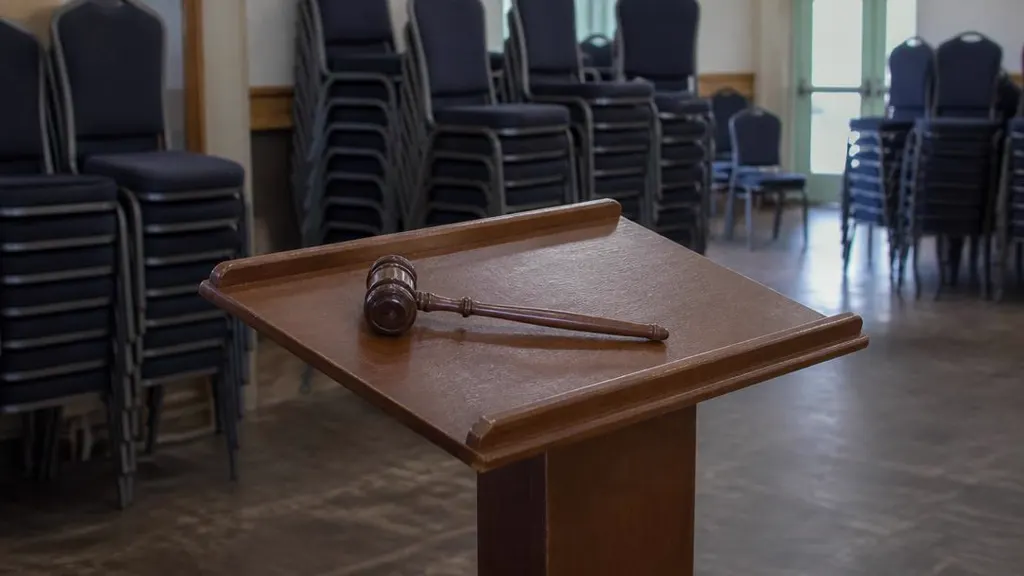
If bidding stops below your reserve, the auctioneer will not sell and records the lot as passed. Sometimes a seller withdraws a lot before the auction date instead, if it becomes clear demand will not reach an acceptable level. Either way, the property does not change hands on the scheduled date, and you are back to deciding what to do next.
What have you already paid at that point?
By the time a lot goes to auction, you have typically already paid for the legal pack to be prepared, covering title, searches and any leasehold information, plus the entry or catalogue fee that got the property listed and marketed. These costs are generally non-refundable whether or not the property sells, because the work has already been done. Some auction houses also apply a separate unsold or buy-in fee, often quoted as a percentage of the reserve, though the figure and whether it applies at all varies significantly between auction houses, and some have dropped this fee entirely. Always check the specific auction house's own published terms, and the current HMRC position on any VAT treatment, before relying on any figure.
Can you negotiate with under-bidders after the auction?
Often yes. Many auction houses will put you in touch with the highest bidders who fell short of your reserve, and a private negotiation can sometimes land close to where the bidding stopped. This is not guaranteed and depends on the auction house's process and whether those bidders are still interested once the pressure of the room has gone.
What are your realistic options after an unsold lot?
| Option | What it involves | Typical timescale |
|---|---|---|
| Private negotiation with under-bidders | Auction house introduces the top bidders for direct talks | Days to a few weeks, outcome not guaranteed |
| Re-enter a later auction | New guide price and reserve, fresh legal pack review, another marketing period | 4 to 8 weeks to the next sale date, plus completion after |
| List with an estate agent | Standard open market sale, subject to chain and buyer finance | Weeks to months, no guaranteed timescale |
| Accept a fixed cash offer | Written offer agreed after survey, no reserve, no re-marketing | Completion in as little as 7 days once agreed |
What has the failed auction cost you overall?
Beyond the fees already spent, a passed lot usually means 8 to 12 weeks have gone by between entry and the auction date, with nothing to show for it. That delay matters if you are working to a deadline such as a mortgage arrears timetable, a probate deadline, or a chain elsewhere waiting on your sale. A fixed cash offer avoids the reserve altogether: we agree a written price with you after an independent survey, typically 75 to 80% of assessed market value, and there is no possibility of the sale simply not happening on the day. We pay your legal fees and can complete in as little as 7 days or on a date you choose. See cash buyer vs auction for the fuller comparison.
Common questions
- What is the difference between a passed lot and a withdrawn lot?
- A lot is passed when bidding takes place but does not reach the reserve, so the auctioneer stops the sale. A lot is withdrawn when it is taken out of the auction before or during the sale, often at the seller's request. Fees owed can differ between the two, so check the specific auction house's terms.
- Do I get my entry fee back if my house doesn't sell?
- Usually not. Entry, catalogue and legal pack costs are typically non-refundable whether or not the lot sells, because the auction house has already carried out the marketing and legal preparation work. Some houses also add a separate unsold or buy-in fee on top.
- Can I still sell to an under-bidder after the auction?
- Often yes. Auction houses will frequently pass on contact details for the highest under-bidders so you can negotiate privately after the sale, though this depends on the auction house's process and is not guaranteed.
- How soon can I try to sell again after a passed lot?
- You can usually re-enter a later auction, sell through an estate agent, or accept a direct cash offer straight away. Re-entering the same auction house's next sale often means waiting another 4 to 8 weeks for the next available date.
Want a guaranteed price instead of a guide price?
No reserve, no lot fees, no risk of the lot going unsold. You know the figure before you commit to anything.
Related guides
 Auction alternative hubHow selling at auction works for a seller, the costs and unsold risk involved, and how a fixed-price cash sale compares as an alternative.
- Selling at auction: pros and consA balanced look at the pros and cons of selling a house at auction, who it genuinely suits, and who is usually better off with another route.
 How much does it cost to sell at auction?Auction seller costs broken down: entry fee, commission, legal pack and unsold fees, with an illustrative total on a £200,000 sale.
 Modern method of auction explainedHow modern method of auction works for buyers and sellers: reservation fees, the 56-day timeline, SDLT treatment, and how it compares to a cash offer.
 Cash buyer vs auctionTraditional auction, modern method of auction and a direct cash sale compared on timescale, fees, reserve risk and suitability.