Sell a tenanted property
You can sell a tenanted property with the tenancy in place, so the buyer takes it on with the tenant already living there, or serve notice and sell with vacant possession to a wider buyer pool. Selling tenanted is faster and avoids rent loss, but the realistic buyer pool narrows to landlords and cash buyers, and the price reflects rental yield rather than full vacant value.
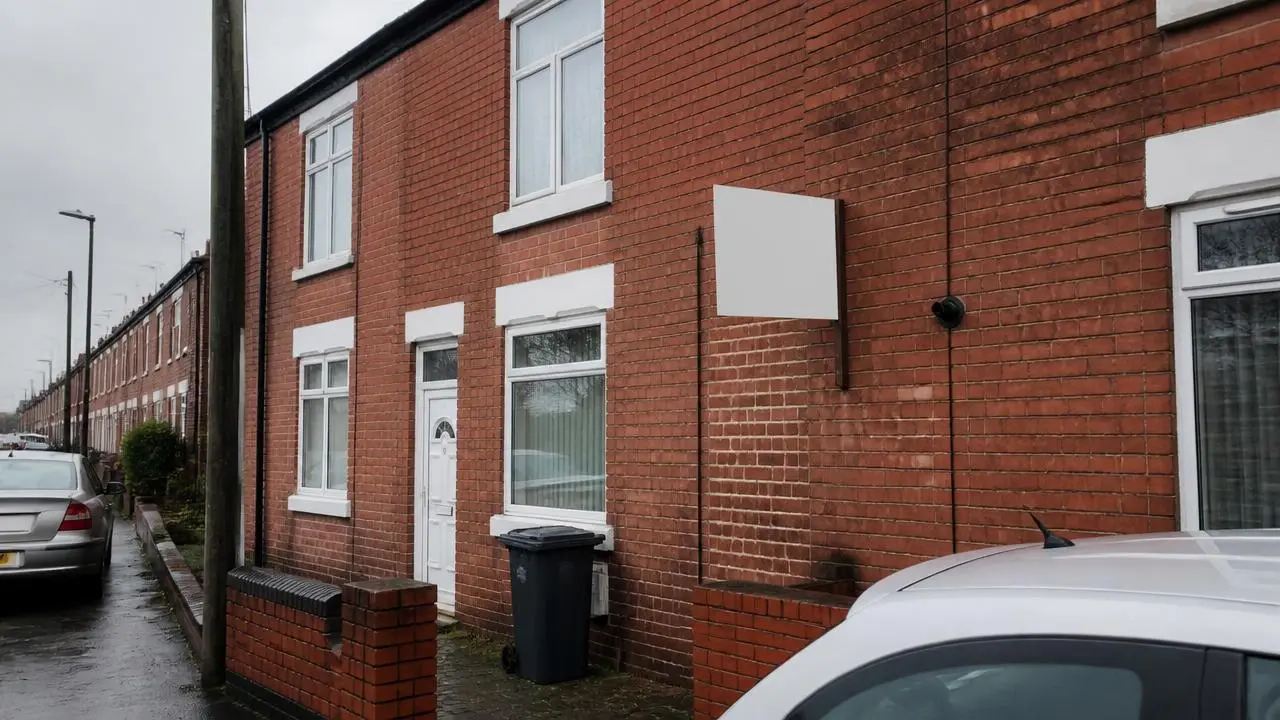
Selling with the tenant staying put?
We buy tenanted houses and portfolios with the AST in place, so there's no void period and no notice to serve.
Tenanted sale versus vacant possession: what's the difference?
Selling with the tenancy in place means the AST, the deposit, and the tenant transfer to the new owner at completion. Nothing changes for the tenant except who collects the rent. Selling with vacant possession means serving notice, waiting out the notice period, and selling an empty property once the tenant has left.
Vacant possession opens the sale to owner-occupiers as well as landlords, which usually means a wider pool of buyers and a price closer to full market value. It also means a void period with no rent coming in, the cost and time of serving a valid notice, and the risk of a tenant disputing it or simply not leaving on time.
Why does the buyer pool narrow with a sitting tenant?
Most owner-occupiers want to move in, so a property they cannot get vacant possession of quickly is off their list. Their mortgage lenders often require vacant possession as a condition of the loan in any case. That leaves other landlords, who want the rental income and are used to buying subject to a tenancy, and cash buyers who do not need mortgage finance at all.
Buy-to-let lenders add their own restrictions on top: many want an AST already in place with a minimum unexpired term, a rental yield that comfortably covers the mortgage payment, and will use a different, more restrictive product if the tenant is a relative of the buyer.
How is a tenanted property priced?
Investors buying a tenanted property price it partly on the rent it produces relative to the price, the yield, rather than only on vacant market value. A property let significantly under market rent, or tied into a long fixed term at a low rent, can sell for less than an identical property with vacant possession, because the buyer is locked into that income until the tenancy ends or the rent is reviewed.
What paperwork does a buyer need?
- The current Assured Shorthold Tenancy agreement
- Proof the deposit is registered with a government-backed scheme
- A valid gas safety certificate, renewed annually
- A current Energy Performance Certificate
- An Electrical Installation Condition Report, where required
- Any selective or additional landlord licence the local authority requires for the property
Gaps in this pack, an expired gas certificate or an unprotected deposit, are the most common reason a tenanted sale stalls, since the incoming landlord inherits the compliance position along with the tenancy.
Selling a portfolio
Landlords exiting several properties at once can sell them individually, as a job lot to one buyer, or in smaller groups. A single buyer taking the whole portfolio removes the need to manage several separate sales and chains, though the per-property price is usually set with that convenience factored in.
What about Capital Gains Tax timing?
Capital Gains Tax is normally due on the sale of a rental property that has risen in value, and in England, Wales and Northern Ireland it must be reported and paid within 60 days of completion. It is worth working out the likely bill with an accountant before fixing a completion date, particularly if selling near a tax year end or as part of a portfolio disposal.
Sell with tenant in situ vs serve notice and sell vacant vs sell to another landlord
| Sell with tenant in situ | Serve notice and sell vacant | Sell to another landlord | |
|---|---|---|---|
| Typical timescale | 7 to 28 days once documents are ready | Notice period plus marketing, often 3 to 6 months | 7 to 28 days, similar to a tenanted cash sale |
| Buyer pool | Landlords and cash buyers | Owner-occupiers and landlords | Landlords, often buying for yield |
| Rent during the process | Continues uninterrupted | Stops once the tenant leaves | Continues uninterrupted |
| Price basis | Rental yield and tenancy terms | Vacant market value | Rental yield and tenancy terms |
| Paperwork burden | AST, deposit, gas, EPC, EICR, licensing | Valid notice plus standard sale paperwork | Same as tenant in situ sale |
Read the guides
Read next
Common questions
- Can I sell a tenanted property with the tenant still living there?
- Yes. Selling with the tenancy in place means the buyer takes over as landlord and the tenant stays, with the AST and deposit transferring at completion. This narrows the buyer pool to other landlords and cash buyers, since most owner-occupier buyers and their mortgage lenders want vacant possession.
- Is it better to sell with a tenant in or get vacant possession first?
- It depends on your priority. Selling tenanted is faster and avoids rent loss during a void period, but usually achieves a lower price. Serving notice and selling vacant opens up the wider owner-occupier market and can achieve closer to full value, but takes longer and loses rent while the property is empty.
- What paperwork does a buyer need for a tenanted sale?
- The current AST, proof the deposit is protected in a government scheme, a valid gas safety certificate, EPC, and, where applicable, an EICR and any required landlord licence. Missing or expired documents can delay or reduce an offer.
- Do buy-to-let lenders limit who can buy a tenanted property?
- Yes. Most buy-to-let mortgages require an AST already in place or a specific consumer buy-to-let product if the tenant is a family member, and lenders often want a minimum unexpired lease term and rental yield above a set percentage of the mortgage payment. This restricts the realistic buyer pool largely to landlords and cash buyers.
- How is a tenanted property valued?
- Buyers price tenanted property partly on rental yield rather than pure vacant market value, since they are buying an income stream and inheriting the existing tenancy terms. A property let well below market rent, or with a long-term tenant on a low rent, often sells for less than the same property empty.
- Does selling a rental property trigger a tax bill?
- Usually, yes. Capital Gains Tax is normally due on a rental property that has increased in value, with the deadline for reporting and paying set at 60 days after completion in England, Wales and Northern Ireland. It is worth getting figures from an accountant before agreeing a completion date.
Sources
Selling with the tenant staying put?
We buy tenanted houses and portfolios with the AST in place, so there's no void period and no notice to serve.
Guides in this section
 Selling a house with a sitting tenantAST tenant vs a genuine regulated sitting tenant, and what each does to price.
 Selling a tenanted property step by stepThe practical sequence from document pack to completion.
 Sell your house fastThe main hub for a fast, certain sale.
 Selling a probate propertyAnother situation where the standard vacant sale route often doesn't fit.