Selling a house with a sitting tenant
A house with an AST tenant in occupation sells much like any tenanted property, with the tenancy transferring at completion. A genuine sitting tenant, holding an older regulated or protected tenancy, is a different matter: strong long-term security and a below-market fair rent mean these properties typically sell at a significant discount to vacant value.
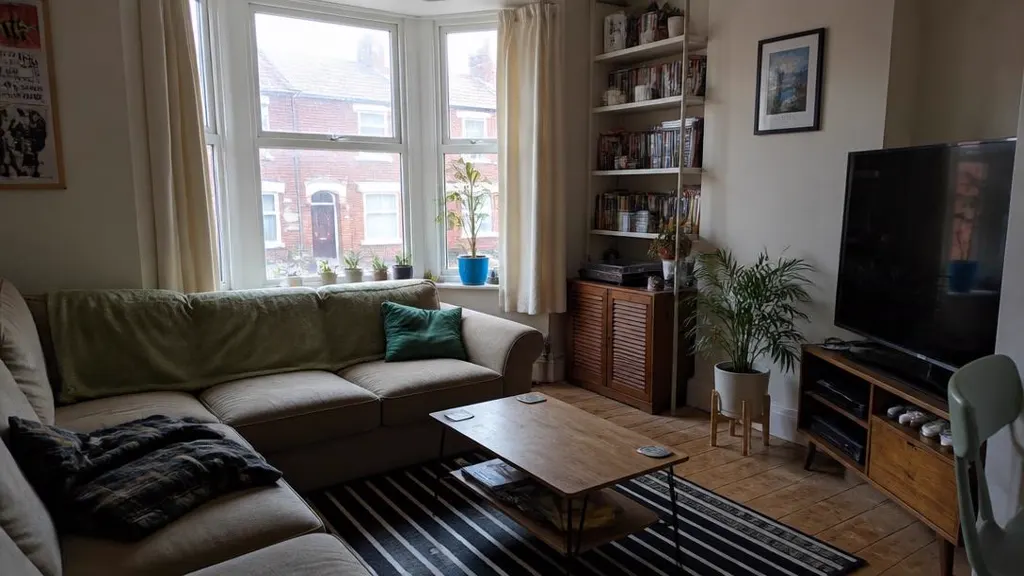
Selling with the tenant staying put?
We buy tenanted houses and portfolios with the AST in place, so there's no void period and no notice to serve.
AST tenant versus genuine sitting tenant
Most rental properties in the UK today are let on an Assured Shorthold Tenancy, and a property let this way is usually described as tenanted rather than having a sitting tenant. The term sitting tenant properly refers to someone with a regulated or protected tenancy under older legislation, largely tenancies that began before the Housing Act 1988 introduced ASTs from 1989 onwards. These tenants have much stronger rights than a modern AST tenant, including a right to remain long-term and rent set under a fair rent registration rather than the open market rate.
Why regulated tenancies affect value so heavily
Because a regulated tenant typically cannot be required to leave and pays a fair rent that is often well below market level, buyers price the property closer to the value of the income stream than to vacant possession value. It is common for a property with a genuine sitting tenant to sell for well under half of its vacant market value, reflecting the reduced rent and the long, uncertain timescale before vacant possession might ever become realistic.
Tenant rights when you sell
Selling the property does not change the tenancy. Whether it is an AST or a regulated tenancy, the tenant keeps the same rights, the same rent, and the same protections against eviction that applied before the sale. The new owner simply takes over as landlord and inherits the existing tenancy exactly as it stood.
Informing the tenant
Tell the tenant you are selling as early as you reasonably can. They will need reasonable notice before viewings and have a right to quiet enjoyment of the property, meaning access cannot be forced without proper notice except in an emergency. A cooperative tenant who understands what is happening makes viewings and eventually a smooth handover far more likely.
Rent and deposit transfer at completion
Rent is apportioned as of the completion date, so the seller keeps rent for the period up to completion and the buyer receives rent from that date onward. Any deposit protected in a government scheme transfers to the new landlord, who takes on responsibility for protecting it correctly and returning it under the usual rules at the end of the tenancy.
AST tenant vs genuine sitting tenant at a glance
| AST tenant | Genuine sitting tenant | |
|---|---|---|
| Typical start date | 1989 onwards | Usually before 1989 |
| Security of tenure | Fixed term then periodic, notice-based | Long-term, very strong protection |
| Rent basis | Market rent agreed in the tenancy | Fair rent, often below market |
| Effect on sale price | Modest yield-based adjustment | Often a substantial discount to vacant value |
| Buyer pool | Landlords and cash buyers | Specialist investors comfortable with regulated tenancies |
Read next
Common questions
- What is the difference between an AST tenant and a sitting tenant?
- An AST tenant occupies under an Assured Shorthold Tenancy, the standard modern letting arrangement, and the property is usually described as tenanted rather than having a sitting tenant. A genuine sitting tenant holds a regulated or protected tenancy, typically dating from before 1989, with far stronger long-term security and rent controls.
- Do regulated tenancies really still exist?
- Yes, though they are increasingly rare. Regulated tenancies under the Rent Act 1977 mostly predate the introduction of Assured Shorthold Tenancies in 1989, so a genuine sitting tenant is usually an older tenancy that has continued for decades.
- Why is a property with a regulated sitting tenant worth less?
- The tenant typically has a right to remain for life at a fair rent set well below market level, and the landlord cannot easily recover possession. Buyers price this in heavily since they are effectively buying a long-term reduced income and no realistic prospect of vacant possession soon.
- What rights does a tenant have when I sell?
- The tenancy continues on the same terms regardless of who owns the property, so an AST tenant or a sitting tenant keeps their existing rights, rent level and notice protections. The buyer simply steps into the landlord's position at completion.
- Do I need to tell my tenant I'm selling?
- Yes, and as early as reasonably possible. Tenants need reasonable notice of viewings and access rights, and being upfront reduces the risk of a tenant becoming uncooperative during the sale process.
- What happens to the rent and deposit at completion?
- Rent already paid is apportioned between seller and buyer as of the completion date, and the deposit, if protected in a government scheme, transfers to the new landlord along with the responsibility for protecting it correctly going forward.
Sources
Selling with the tenant staying put?
We buy tenanted houses and portfolios with the AST in place, so there's no void period and no notice to serve.
Related guides
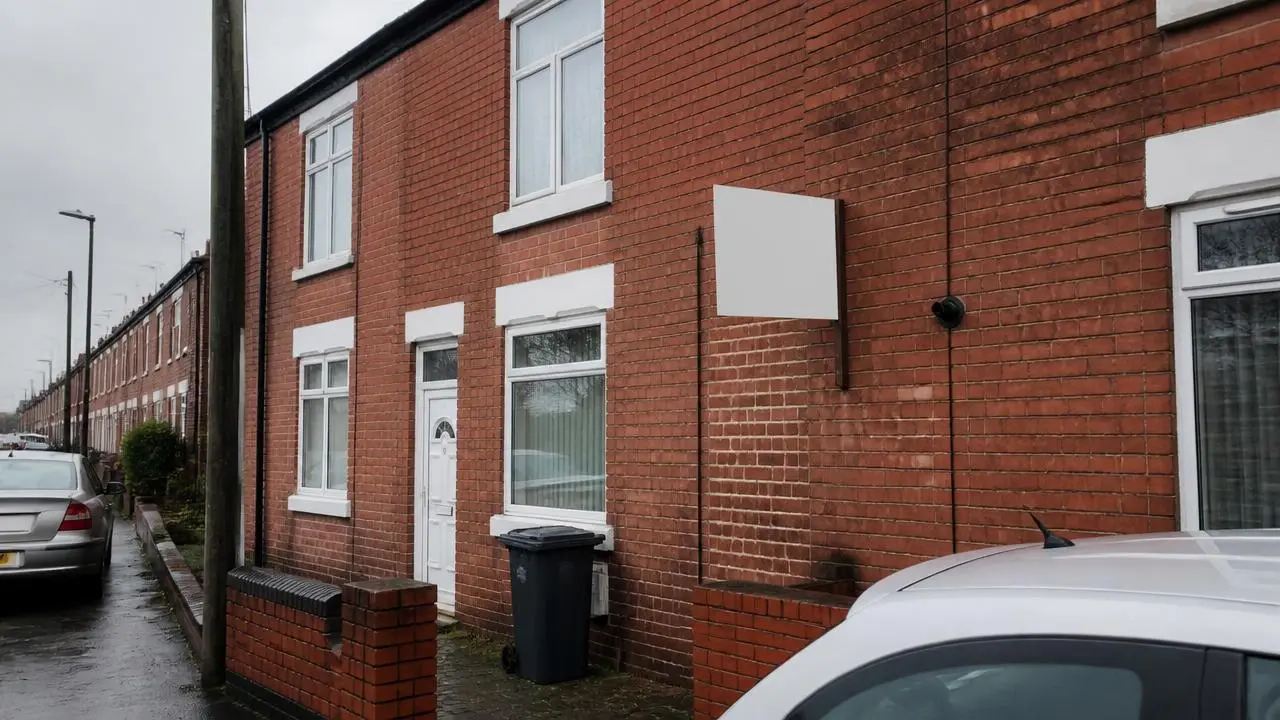 Tenanted property hubHow to sell a tenanted property or portfolio: tenant in situ vs vacant possession, buyer pool, paperwork, and capital gains timing.
 Selling a tenanted property step by stepThe practical sequence for selling a tenanted property: document pack, viewings, Section 24 and EPC pressures, and completion mechanics.
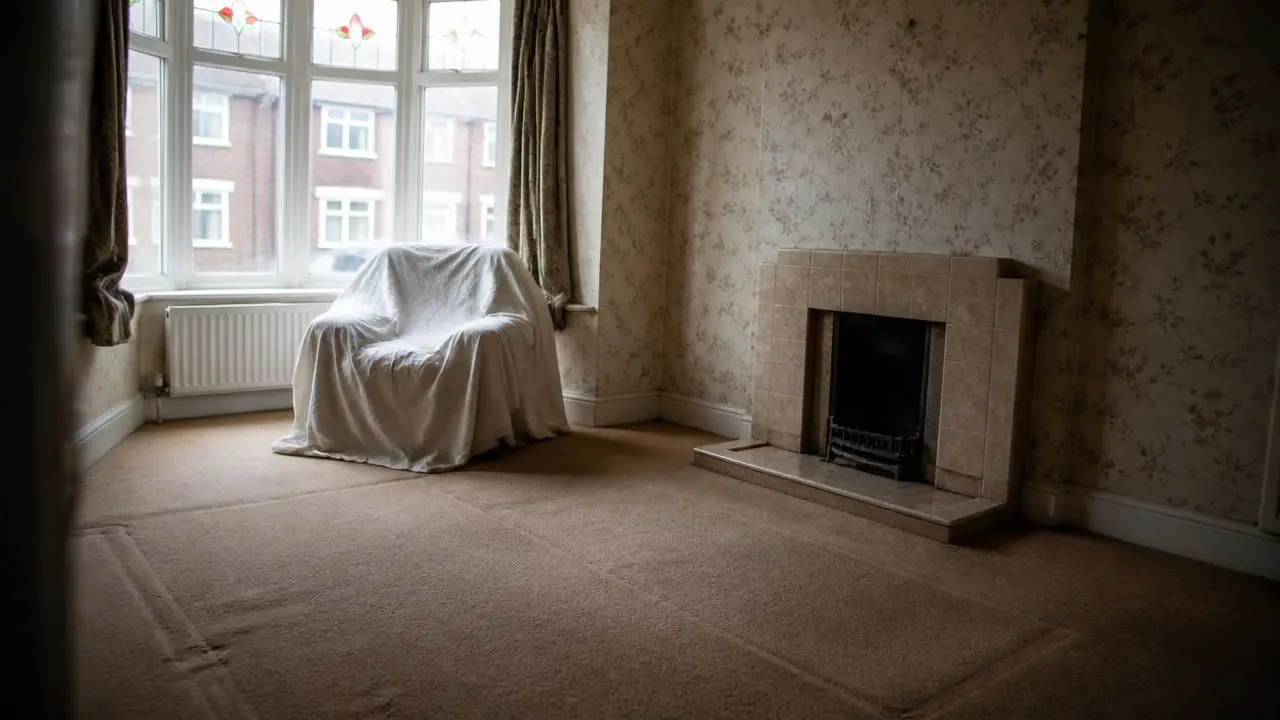 Selling a probate propertyExecutor's guide to selling a probate property: timeline, valuation, insurance risk, and how to sell fast, as-is, with contents left in place.