Selling a tenanted property
Selling a tenanted property runs from deciding on vacant or tenanted sale, through assembling the document pack and allowing notice-based viewings, to completion with rent apportioned and the deposit transferred. Section 24 tax changes and rising EPC standards are pushing many landlords to sell now rather than wait, and a cash sale can complete in as little as 7 to 28 days.
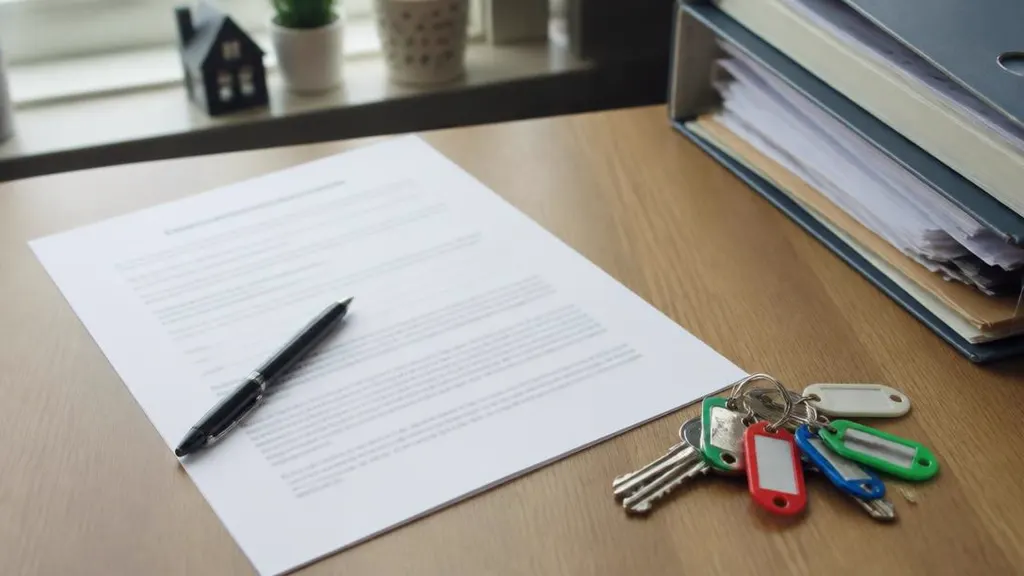
Selling with the tenant staying put?
We buy tenanted houses and portfolios with the AST in place, so there's no void period and no notice to serve.
The practical sequence from decision to completion
- Decide on your route. Sell with the tenant in place, serve notice for vacant possession first, or sell to another landlord who wants the tenancy to continue.
- Assemble the document pack. Current AST, deposit protection certificate, gas safety certificate, EPC, EICR where applicable, and any required landlord licence.
- Get a valuation. A tenanted property is valued partly on rental yield, so have rent, arrears history and the remaining tenancy term ready.
- Market to the right buyer pool. Landlords, investors and cash buyers if selling tenanted, or the open market once vacant possession is achieved.
- Allow viewings with proper notice. Give the tenant reasonable notice, generally at least 24 hours, and coordinate timing where possible.
- Exchange and complete. Rent is apportioned to the completion date, and the deposit and tenancy documents transfer to the buyer.
The document pack a buyer will expect
- The current tenancy agreement (AST)
- Confirmation the deposit is protected in a government scheme
- A valid gas safety certificate
- A current Energy Performance Certificate
- An Electrical Installation Condition Report, where required
- Selective licensing or HMO licensing documents, if the property needs one
Viewings and access rights
A tenant is entitled to quiet enjoyment of their home, so access for viewings needs reasonable notice, typically at least 24 hours, and should be arranged at a time that works for the tenant where possible. Forcing access without notice, outside a genuine emergency, risks damaging the relationship with the tenant and can complicate the rest of the sale.
Why Section 24 and EPC rules are pushing landlords to sell
Section 24 restricts individual landlords to a basic rate tax credit on mortgage interest rather than deducting it as a full expense, which has squeezed returns for many higher-rate taxpayers with leveraged portfolios. At the same time, minimum EPC standards for rental property are tightening, meaning older, harder-to-insulate homes face costly upgrade work to remain lettable. Together these pressures are a common reason landlords choose to sell now rather than continue holding.
Completion mechanics: apportioned rent and deposit
On completion day, rent already collected for the current period is split between seller and buyer based on how many days of that period fall before and after completion. The deposit, if protected in a scheme, transfers to the new landlord along with the paperwork confirming it, and the buyer takes on responsibility for protecting and eventually returning it under the usual rules.
Selling tenanted versus waiting for vacant possession
| Sell tenanted now | Serve notice, then sell vacant | |
|---|---|---|
| Timescale | 7 to 28 days for a cash sale | Notice period plus months of marketing |
| Rental income | Continues throughout the sale | Stops once tenant leaves |
| Buyer pool | Landlords and cash buyers | Wider, including owner-occupiers |
| Price basis | Rental yield and tenancy terms | Vacant market value |
Read next
Common questions
- What is the process for selling a tenanted property?
- Decide whether you want vacant possession or to sell with the tenant in place, gather the document pack, get the property valued, market it to the right buyer pool, allow viewings with proper notice, then complete with rent and deposit apportioned and transferred to the new landlord.
- Can viewings happen while a tenant is living there?
- Yes, but only with reasonable notice, usually at least 24 hours, and at a time that suits the tenant where possible. A tenant is not obliged to allow access without proper notice except in a genuine emergency.
- Why are landlords selling up right now?
- Common pressures include Section 24, which restricts mortgage interest relief for individual landlords, rising EPC standards that require costly upgrades to older rental stock, tighter regulation, and rising mortgage costs squeezing the returns on a leveraged portfolio.
- What happens to rent that's already been paid at completion?
- Rent is apportioned as of the completion date. The seller keeps the share covering the period up to completion, and the buyer is credited with the remainder, so the transition is fair to both parties regardless of when in the rental period completion falls.
- Do I need an EPC to sell a tenanted property?
- Yes. A valid Energy Performance Certificate is a legal requirement to market any residential property for sale, tenanted or not, and buyers will also want to see it given the direction of minimum EPC standards for rental property.
- How fast can a tenanted property sale complete?
- A cash sale to another landlord or investor can complete in as little as 7 to 28 days once the document pack is ready and a survey is done. Selling on the open market to an owner-occupier after gaining vacant possession usually takes several months longer.
Sources
Selling with the tenant staying put?
We buy tenanted houses and portfolios with the AST in place, so there's no void period and no notice to serve.
Related guides
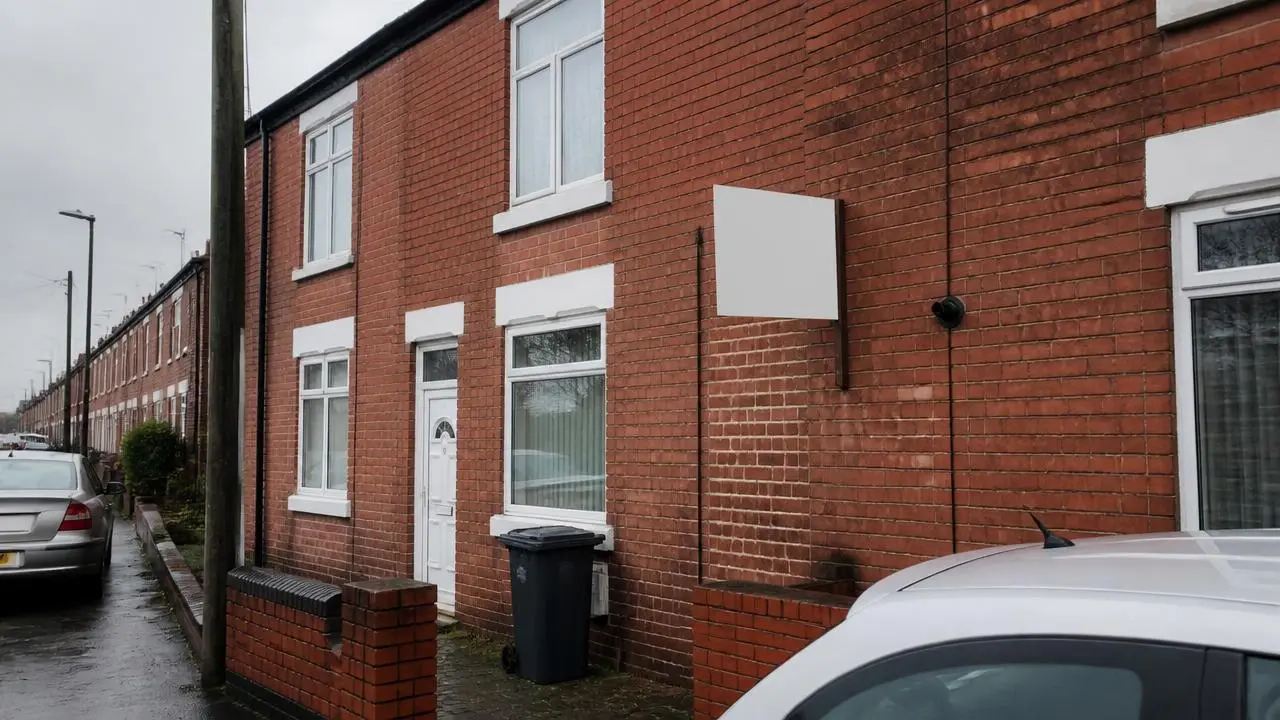 Tenanted property hubHow to sell a tenanted property or portfolio: tenant in situ vs vacant possession, buyer pool, paperwork, and capital gains timing.
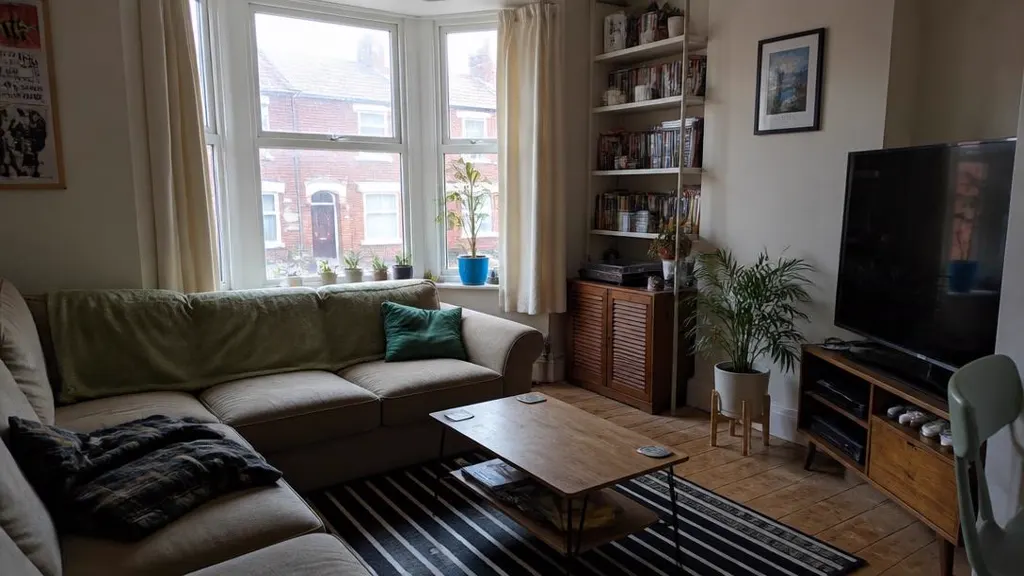 Selling a house with a sitting tenantThe difference between an AST tenant and a genuine sitting tenant, valuation discounts, tenant rights, and rent and deposit transfer at completion.
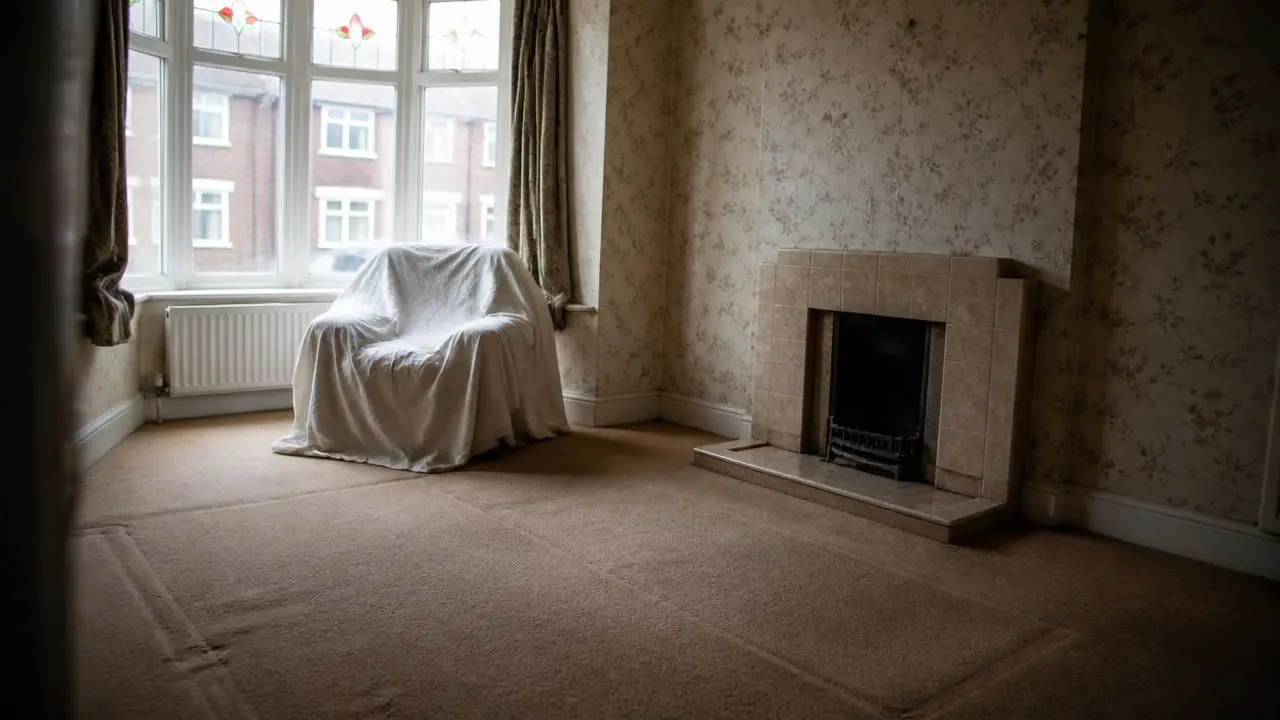 Selling a probate propertyExecutor's guide to selling a probate property: timeline, valuation, insurance risk, and how to sell fast, as-is, with contents left in place.