Selling with mortgage arrears
You can sell your house at any point while you still own it, including after a possession order is granted. Selling early protects your equity, limits the damage to your credit file, and avoids the legal costs of court action. A fast sale is one option among several, and free debt advice should be your first call.

Got a date in the diary you need to beat?
Tell us the deadline. If we can hit it we'll say so, and if we can't we'll tell you that instead of stringing you along.
What are the stages from first missed payment to eviction?
Mortgage arrears escalate in a fairly predictable sequence, though the exact pace varies by lender and by how quickly you engage with them.
- Missed payment 1. The lender contacts you by letter or phone. Arrears are recorded.
- Missed payments 2 to 3. Formal arrears letters follow. Under FCA rules, the lender must explore ways to help before taking legal action, such as an arrangement or a term change.
- Around 3 missed payments. Most lenders can start court proceedings from this point if no agreement is reached.
- Court claim. The lender applies to the county court for a possession order. You'll get a claim form with a hearing date.
- Hearing and order. A judge can dismiss the claim, adjourn it, grant a suspended possession order tied to conditions, or grant an outright order.
- Warrant and eviction. If the order isn't complied with, the lender applies for a warrant of possession and bailiffs set an eviction date, usually with several weeks' notice.
You can sell at any point in this sequence up until the property is repossessed. Selling after an order but before the eviction date is legally possible, though it needs a solicitor moving quickly and, in most cases, the lender's cooperation to pause enforcement.
What does selling early actually protect?
- Equity. Selling on the open market or to a cash buyer lets you set or negotiate the price. A repossessed sale is run by the lender, whose priority is recovering its own debt, not maximising your return.
- Credit file. Arrears already show on your credit file for six years, but a repossession entry is a more serious mark and makes future mortgage applications harder for longer.
- Court and legal costs. Once a lender starts a possession claim, court fees and its legal costs are typically added to your mortgage debt. Selling before or during proceedings can avoid some or all of this.
What happens to the mortgage debt when you sell?
At completion, your solicitor pays off the outstanding mortgage balance, including arrears, interest, and any fees, directly from the sale proceeds, using a redemption statement from your lender. Anything left over comes to you. If the property is in negative equity and the sale price doesn't cover the full balance, the shortfall remains your debt and the lender can still pursue you for it, whether you sold privately or it was repossessed.
What are the alternatives to selling?
- Payment arrangement. Paying a bit extra each month to clear the arrears over time.
- Term extension or interest-only switch. Lowers monthly payments, usually increases total interest paid.
- Capitalising the arrears. Adding the arrears to the loan balance so the account is treated as up to date.
- Support for Mortgage Interest (SMI). A government loan towards interest payments for those on certain benefits.
- Free debt advice. StepChange, Citizens Advice, National Debtline, MoneyHelper, and Shelter can all help you work out whether an arrangement is realistic before you decide to sell.
Sale routes compared
| Sell privately (agent) | Sell to a cash buyer | Voluntary repossession | Lender repossession | |
|---|---|---|---|---|
| Typical timescale | 4 to 6 months | 7 to 28 days | Several weeks to hand back, then lender's sale timeline | 6 to 12+ months including court process |
| Control of price | You set the asking price and accept offers | You accept or reject the written offer | None once keys are handed back | None, lender instructs the sale |
| Likely equity retained | Highest, if it sells without delay | Reduced, offers typically 75-80% of value | Low, lender has no urgency to get best price | Low, plus court and enforcement costs added to debt |
| Credit file impact | Limited, if sold before missing more payments | Limited, arrears may still show until sale completes | Serious, recorded similarly to repossession | Most serious, repossession recorded for six years |
Guides in this section
- Can I sell my house with mortgage arrears?
- How to stop repossession
- How many missed payments before repossession?
- How long does repossession take?
- Voluntary repossession explained
Read next
How long does a normal sale take against a repossession clock?
Lenders often start court action after around three missed payments. Compare that clock with how long an open-market sale is currently taking before agreeing anything.
- Typical time on the market
- 125 days
- Median asking price
- £289,956
- Listings that cut their price
- 26%
- Average price cut
- £17,477
Before a sale is even agreed, let alone completed
Median across 113 postcode areas
Average cut of £17k
Taken off the original asking price to find a buyer
Source: Outra listings data, Jul 2026, median of 113 UK postcode areas. Asking prices, not sold prices. Last refreshed 6 August 2026. Our side of the trade is set out in how we work out our offer.
Common questions
- How can I clear my mortgage arrears?
- Contact your lender straight away and ask about a payment arrangement, a term extension, or capitalising the arrears onto the loan. If you're on certain benefits you may qualify for Support for Mortgage Interest. If none of that closes the gap, selling the property releases your equity and clears the balance in full.
- How long can you be in mortgage arrears before losing your house?
- There's no fixed limit, but lenders usually start court action after around three missed monthly payments, following the FCA's pre-action requirements. Court proceedings, a possession order, and the eviction stage can then take several more months, so total time from first missed payment to eviction is often 6 to 12 months or longer.
- Can I sell my house if I'm in mortgage arrears?
- Yes. You still own the property and can sell it at any point before completion of a repossession, including after a possession order is granted. The arrears and the remaining mortgage balance are paid off from the sale proceeds at completion.
- Will mortgage arrears affect my credit file?
- Yes. Missed payments are recorded on your credit file for six years and lenders can see them immediately. A repossession is a more serious mark than arrears alone. Selling before either point limits the damage.
- What happens to my debt if the house sells for less than I owe?
- If the sale doesn't cover the full mortgage balance and costs, the shortfall remains your debt to the lender. This applies whether you sell privately or the lender repossesses and sells. It's usually smaller if you sell yourself, because you have more control over the price achieved.
- Is it better to sell or let the lender repossess?
- Selling yourself, or with a fast cash buyer, generally protects more of your equity and does less damage to your credit file than repossession. The lender has no incentive to get you the best price once it takes over, and repossession costs are added to your debt.
Sources
Got a date in the diary you need to beat?
Tell us the deadline. If we can hit it we'll say so, and if we can't we'll tell you that instead of stringing you along.
Guides in this section
 Can I sell my house with mortgage arrears?Yes, and how the redemption figure gets paid at completion.
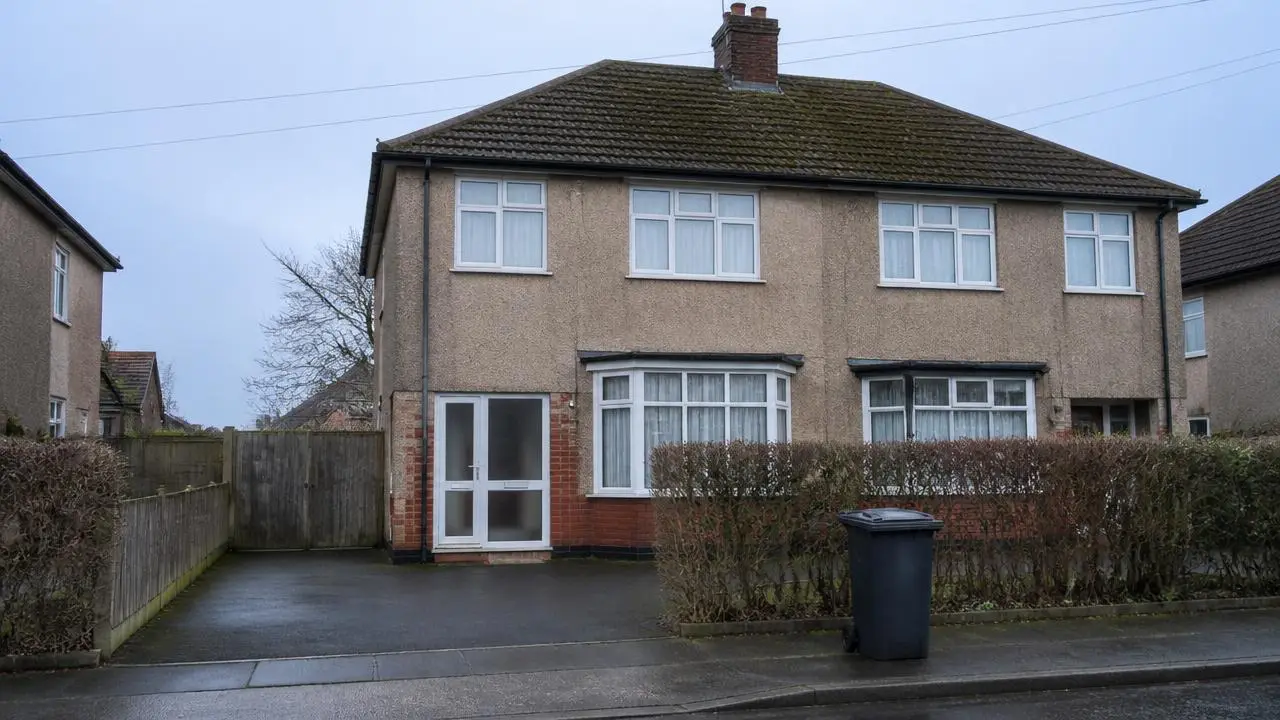 How to stop repossessionRealistic options, from a payment plan to selling before the hearing.
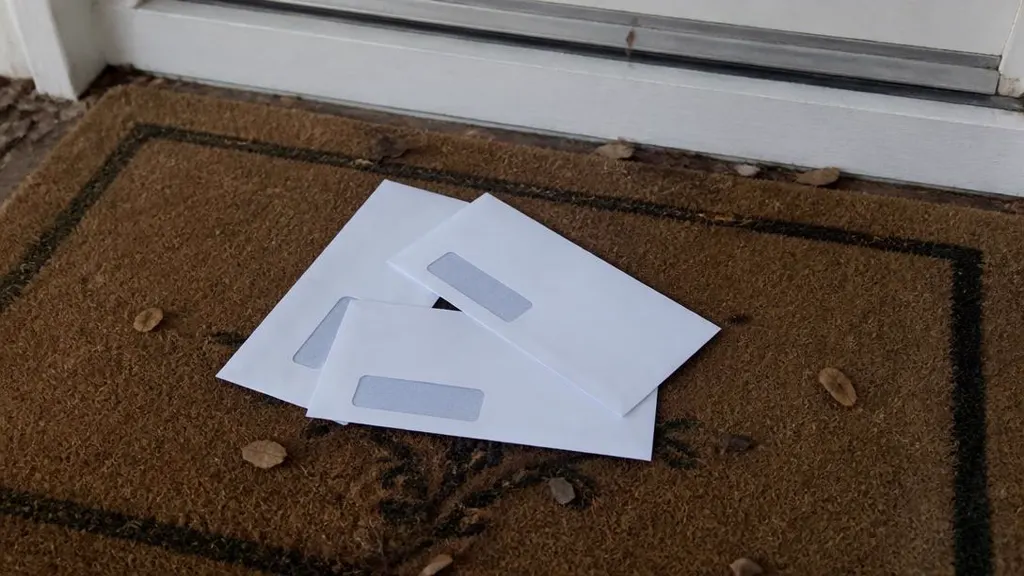 How many missed payments before repossession?Why three missed payments is the usual trigger for court action.
 How long does repossession take?The court, order and eviction stages with realistic timescales.
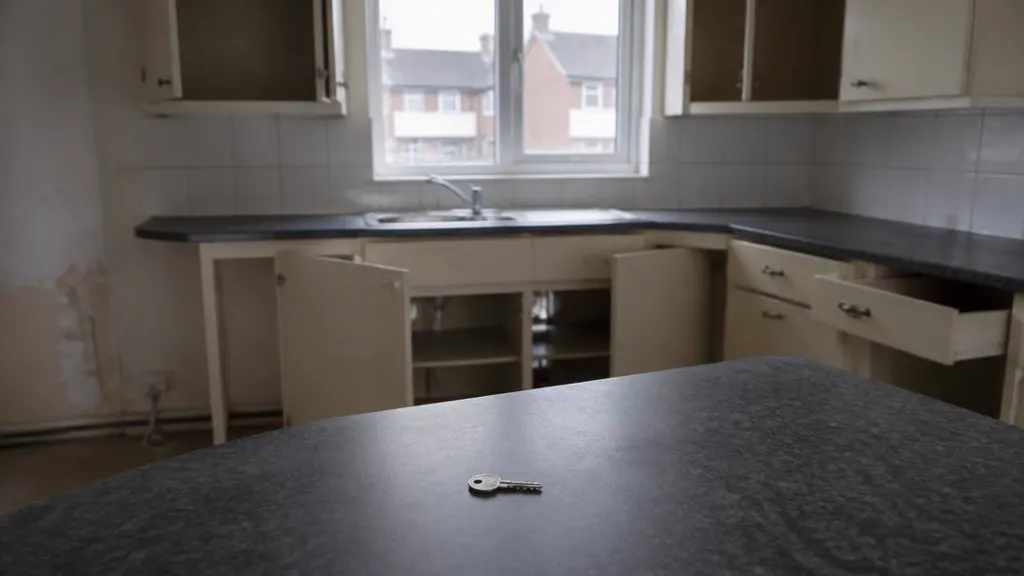 Voluntary repossession explainedWhy handing the keys back rarely clears the debt.
 Sell your house fastThe main hub for a fast, certain sale.
 Unmortgageable propertiesWhen a property's condition rules out most buyers entirely.
 Cash buyer vs auctionComparing the two fastest routes to a sale.