Selling a probate property
As executor you can market a probate property straight away, but you cannot legally complete the sale until grant of probate is issued, usually 3 to 6 months after death for a straightforward estate. We buy probate properties as-is, with contents left in place, and can time exchange and completion around the grant.
Need the estate settled without a long sale?
We buy probate properties as they are, contents left in place, and we'll work to the date the executors need.
What does an executor need to do before selling?
Before marketing, an executor should register the death, locate the will, and apply for grant of probate (or Confirmation in Scotland). If the estate is liable for inheritance tax, that return is usually submitted before or alongside the probate application. You do not need to wait for the grant to instruct an estate agent or a buyer like us, but you cannot exchange contracts and complete until the grant is in hand, because legal title cannot transfer without it.
What is the realistic timeline from death to completion?
| Stage | Typical timescale |
|---|---|
| Register death, locate will | 1 to 2 weeks |
| Value estate, submit IHT return if needed | 4 to 8 weeks |
| Grant of probate issued | 8 to 16 weeks after application |
| Market property, accept offer | Can run in parallel, before grant |
| Exchange and complete sale | 4 to 8 weeks after grant |
| Full estate administration closed | 9 to 12 months from death, typically |
Complex estates, disputed wills, or missing beneficiaries can extend this well beyond 12 months. Scotland uses a different process called Confirmation, which follows similar principles but different forms and timescales.
What can be done before the grant is issued?
- Clear and value the contents, subject to the executor's inventory obligations.
- Instruct an estate agent or request cash offers and get the property marketed.
- Arrange or check unoccupied property insurance.
- Get an open market valuation for probate and any HMRC reporting.
- Accept an offer in principle, subject to grant being issued.
What cannot happen before the grant is the legal transfer of title. Exchange of contracts is possible in some cases with a special condition, but completion always waits for the grant.
What condition, contents, and insurance risks matter?
An empty probate property is a liability the moment it is unoccupied. Standard home insurance typically lapses or becomes void after 30 to 60 days without anyone living there, leaving the estate exposed to burst pipes, subsidence, fire, or break-ins with no cover. Executors are personally responsible for managing that risk, alongside council tax, utilities, and general upkeep, all of which continue to cost money while the house sits empty.
Selling to a cash buyer who takes the property with contents included removes the need to clear the house, arrange ongoing unoccupied cover, or keep checking on it, because the sale can complete as soon as the grant allows.
How does our process work for probate sales?
We arrange an independent survey and give you a written offer, typically 75 to 80% of the assessed market value, within 24 hours. We can agree that offer before grant is issued and hold the price once the survey is done. When the grant comes through, we exchange and complete in as little as 7 days, or on a date that suits the estate and beneficiaries. We buy as-is, including full contents, and pay your legal fees.
How long does a normal probate sale take on the open market?
Executors are usually weighing a slow sale against holding costs: insurance on an empty property, council tax, and the risk of a chain collapsing months in. These are current open-market figures for context.
- Typical time on the market
- 125 days
- Median asking price
- £289,956
- Listings that cut their price
- 26%
- Average price cut
- £17,477
Before a sale is even agreed, let alone completed
Median across 113 postcode areas
Average cut of £17k
Taken off the original asking price to find a buyer
Source: Outra listings data, Jul 2026, median of 113 UK postcode areas. Asking prices, not sold prices. Last refreshed 6 August 2026. Our side of the trade is set out in how we work out our offer.
Common questions
- Can I sell a probate property before grant of probate is issued?
- You can market the property and accept an offer before grant is issued, but you cannot legally complete the sale until the grant (or Confirmation in Scotland) is granted and the executor has authority to transfer legal title.
- How long does the probate process take before I can sell?
- Grant of probate in England and Wales typically takes 9 to 12 months from death to completion of the estate, though the grant itself often comes through in 3 to 6 months if the estate is straightforward and inheritance tax is not complicated.
- Do I need to get the house valued for probate?
- Yes. HMRC requires an open market valuation at the date of death for the probate application and any inheritance tax return. An estate agent appraisal is often enough for smaller estates, but larger or more complex estates usually need a RICS red book valuation.
- Who is responsible for insuring an empty probate property?
- The executor or personal representative is responsible until the estate is settled. Standard home insurance often becomes invalid once a property is left unoccupied for 30 to 60 days, so a specific unoccupied property policy is usually needed.
- Can I sell a probate property with the contents still inside?
- Yes. We buy probate properties with all contents left in place, so you do not need to arrange a house clearance before selling to us.
- What if there are multiple beneficiaries who disagree on selling?
- All executors named on the grant must normally agree to a sale and sign the contract. If beneficiaries disagree about selling versus keeping the property, that is usually resolved between them and the executors before marketing starts, sometimes with legal advice.
Need the estate settled without a long sale?
We buy probate properties as they are, contents left in place, and we'll work to the date the executors need.
Related guides
 Can you sell before probate?Yes you can market and accept an offer before probate, but you cannot complete until grant is issued. Exceptions for joint ownership explained.
 How long does probate take?Most grants are issued within 16 weeks of a complete application, with full estate administration taking 6 to 12 months. Stage-by-stage timeline and the delays that bite.
- Do you need probate to sell a house?Joint tenants can sell without a grant. Sole ownership and tenants in common need probate or letters of administration first. How to tell which applies.
 House valuation for probateDo you need an official valuation for probate? HMRC rules on open market value, RICS red book valuations, and undervaluation risk explained.
 How long after probate can you sell?No legal waiting period once grant is issued. Realistic conveyancing timeline and why executors watch the 6 and 12 month marks.
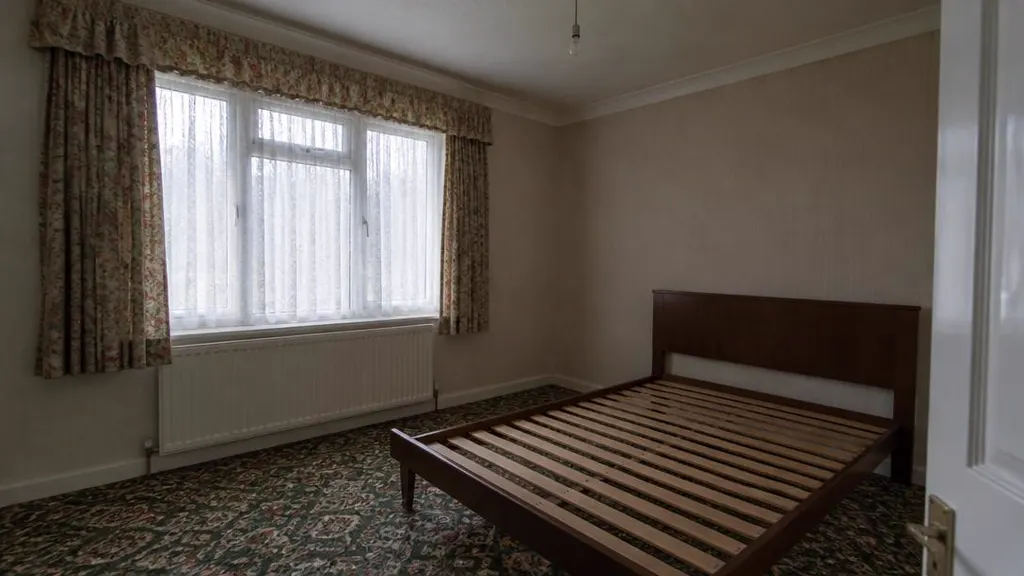 Selling an inherited houseSelling an inherited house: agreeing with other beneficiaries, capital gains tax on the uplift, keep vs sell vs let, and clearing contents.
- Inheritance tax on propertyThe estate pays, and the deadline is six months after the month of death. How property is valued, how instalments work, and how to break the cash deadlock.
 Capital gains tax on inherited propertyYou are taxed on the gain between probate value and sale price, not on the inheritance. How the calculation works, what you can deduct, and the 60 day reporting deadline.
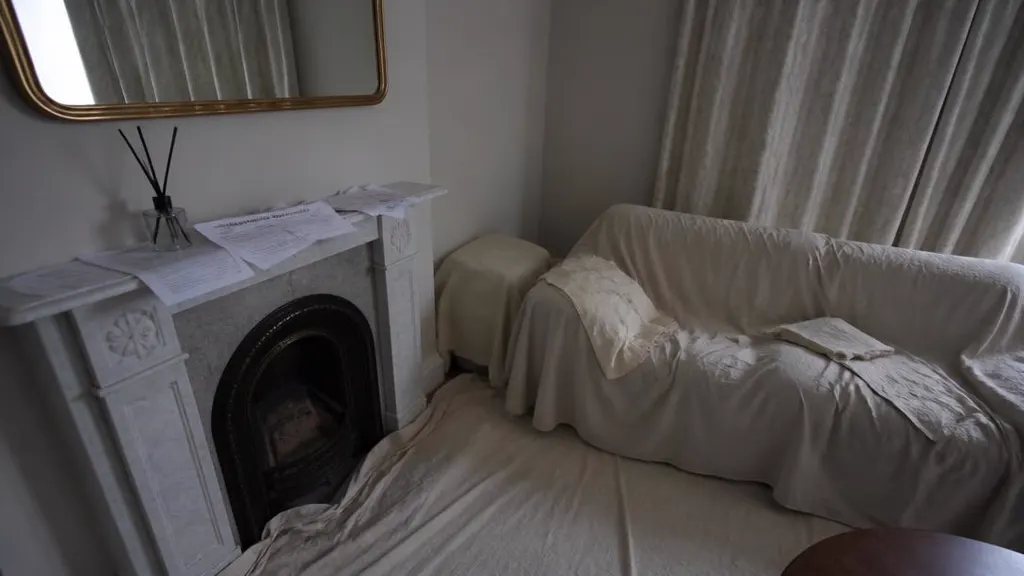 Probate house insuranceProbate house insurance explained: when standard cover lapses, unoccupied property policies, executor liability, and practical steps to take.
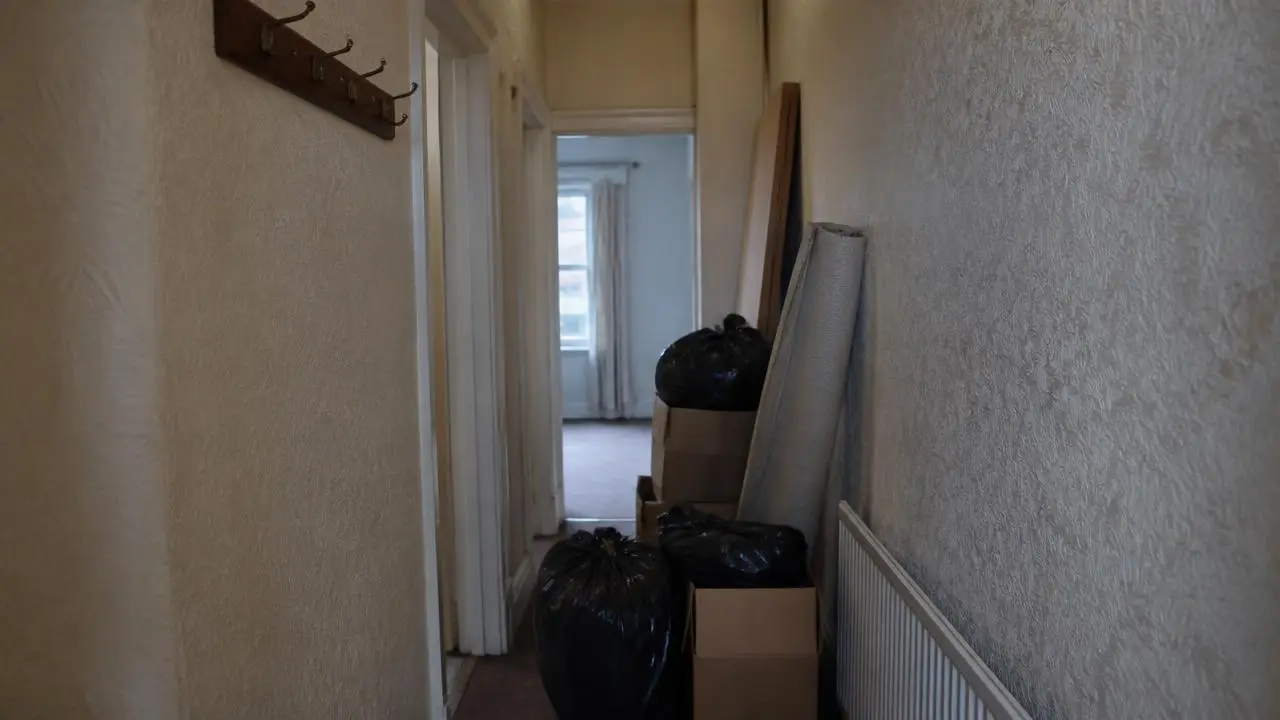 Probate house clearanceProbate house clearance explained: what probate property means, inventorying and valuing contents, timing against the grant, and selling as-is.
 Selling a probate property at auctionWhy executors are steered to auction for probate property, the costs and unsold-lot risk, and when a fixed cash offer serves the estate better.