Do you need an official house valuation for probate?
HMRC requires the open market value of the property at the date of death for the probate application and any inheritance tax return. Smaller, straightforward estates can often use an estate agent's written appraisal; larger or more complex estates usually need a formal RICS red book valuation from a qualified surveyor.
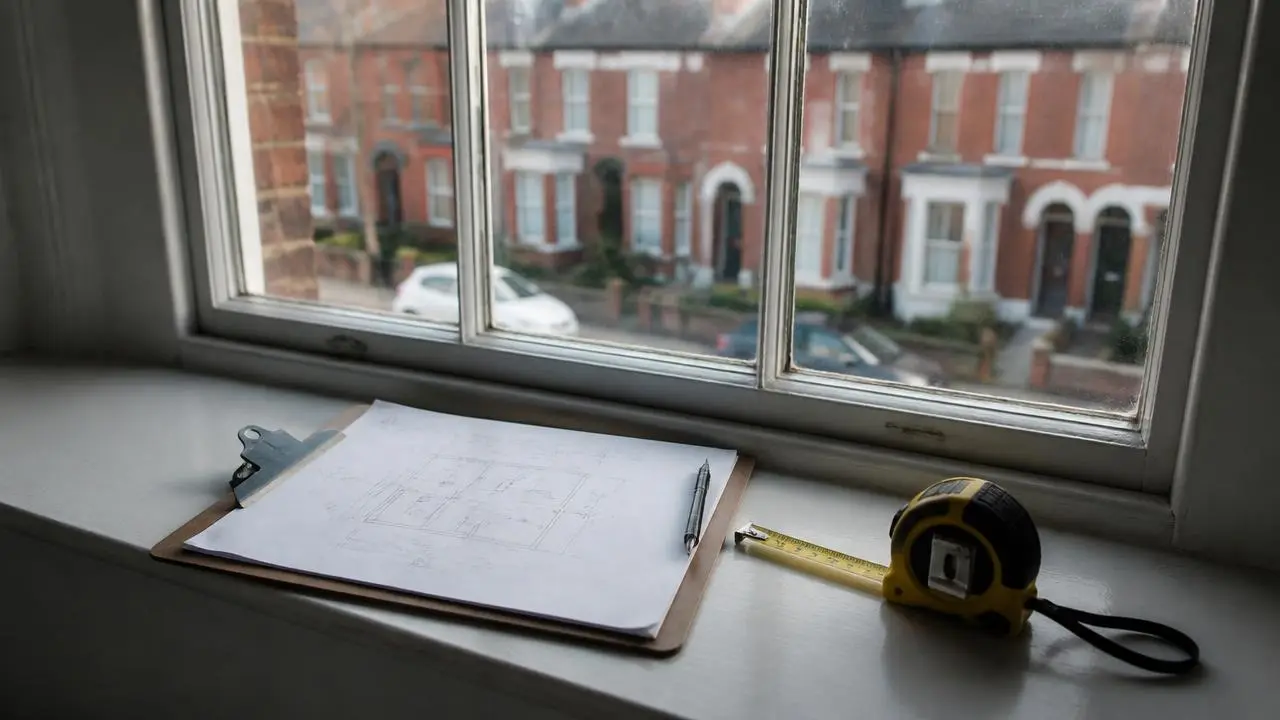
Need the estate settled without a long sale?
We buy probate properties as they are, contents left in place, and we'll work to the date the executors need.
What value does HMRC actually want?
HMRC wants the open market value at the date of death, meaning the price the property could reasonably have achieved if sold on the open market that day, not a distressed or forced-sale figure. This value goes on the probate application and, if the estate is above the inheritance tax threshold, on the IHT account submitted to HMRC.
Estate agent appraisal or RICS red book valuation?
| Estate agent appraisal | RICS red book valuation | |
|---|---|---|
| Cost | Usually free | Typically a fixed professional fee |
| Formality | Informal opinion, letter form | Formal report to RICS valuation standards |
| When it's enough | Small, low-value, uncontested estates | Larger estates, IHT liable, contested wills |
| Defensibility if HMRC queries it | Weaker | Stronger, independent evidence |
There is no single rule that applies to every estate. As a guide, if the estate is close to or above the inheritance tax threshold, if there are multiple beneficiaries who might disagree later, or if the property is unusual, a red book valuation is worth the fee for the protection it gives the executor.
Why does undervaluing risk an HMRC challenge?
If the declared probate value looks low compared with what the property later sells for, HMRC can query the original figure. This is more likely to happen if the sale completes soon after the grant and at a noticeably higher price. A successful challenge can mean more inheritance tax due, plus interest, and in some cases penalties for careless or deliberate undervaluation. An independent, dated valuation is the executor's best protection.
How does a probate valuation differ from a cash offer?
A probate valuation is a statement of market value for tax purposes. A cash offer from a buyer like us is a separate, commercial figure, typically 75 to 80% of that market value, reflecting that we buy quickly, as-is, and take on the survey, legal, and completion risk ourselves. The two numbers serve different purposes: one satisfies HMRC, the other is what you would actually receive if you sold to us. You are free to use the same independent valuation for both.
Practical steps for executors
- Get the valuation dated as close to the date of death as possible.
- Keep the written valuation report or appraisal with the estate paperwork.
- Use a RICS surveyor if the estate is IHT liable or beneficiaries may disagree.
- If selling shortly after probate, compare the sale price with the probate value and keep notes explaining any difference.
Common questions
- Do I need an official house valuation for probate?
- HMRC requires an open market valuation at the date of death for the probate application and any inheritance tax return. For smaller, straightforward estates an estate agent appraisal is often accepted; larger or contested estates usually need a formal RICS red book valuation.
- What is a RICS red book valuation?
- It is a formal, independent valuation carried out by a RICS-qualified surveyor to a recognised standard, giving a defensible figure that HMRC and the courts are more likely to accept without challenge.
- What happens if I undervalue the property?
- If HMRC believes the declared value was too low, it can challenge the figure, raise the inheritance tax bill, and add interest or penalties. This is more likely if the house is later sold for significantly more than the probate valuation.
- Is a cash offer the same as a probate valuation?
- No. A probate valuation states the open market value at date of death for tax purposes. A cash offer from a buyer like us reflects what we will actually pay, typically 75 to 80% of that market value, in exchange for speed and certainty.
Need the estate settled without a long sale?
We buy probate properties as they are, contents left in place, and we'll work to the date the executors need.
Related guides
- House price calculatorValue in any year since 1968, useful for date-of-death and CGT base figures.
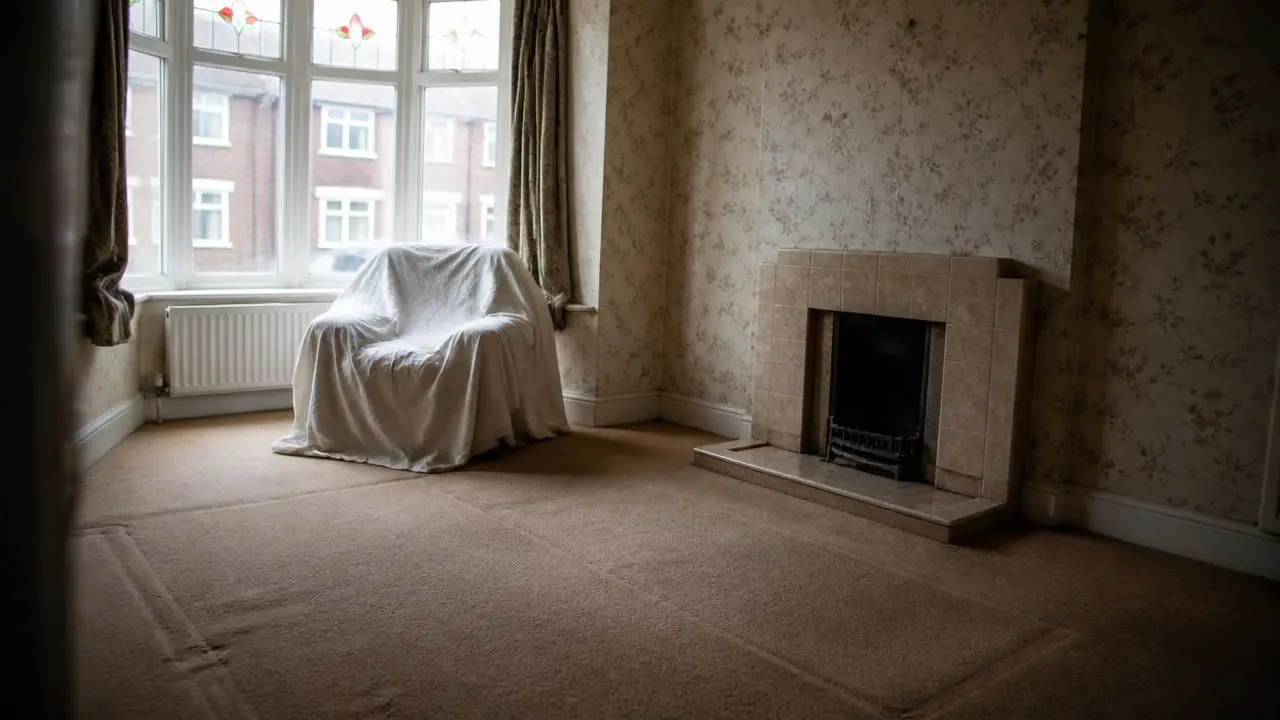 Probate hubExecutor's guide to selling a probate property: timeline, valuation, insurance risk, and how to sell fast, as-is, with contents left in place.
 Can you sell before probate?Yes you can market and accept an offer before probate, but you cannot complete until grant is issued. Exceptions for joint ownership explained.
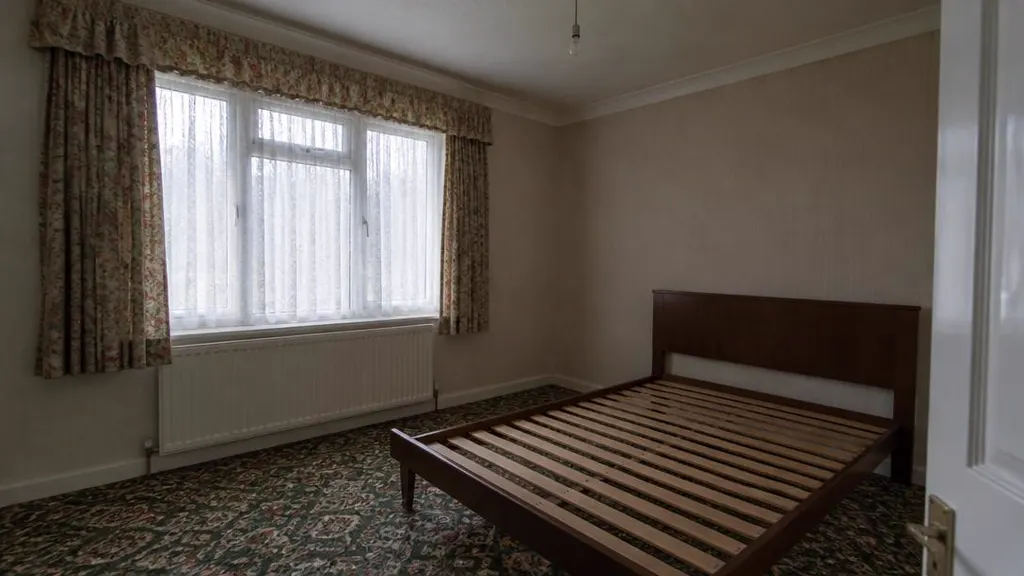 Selling an inherited houseSelling an inherited house: agreeing with other beneficiaries, capital gains tax on the uplift, keep vs sell vs let, and clearing contents.
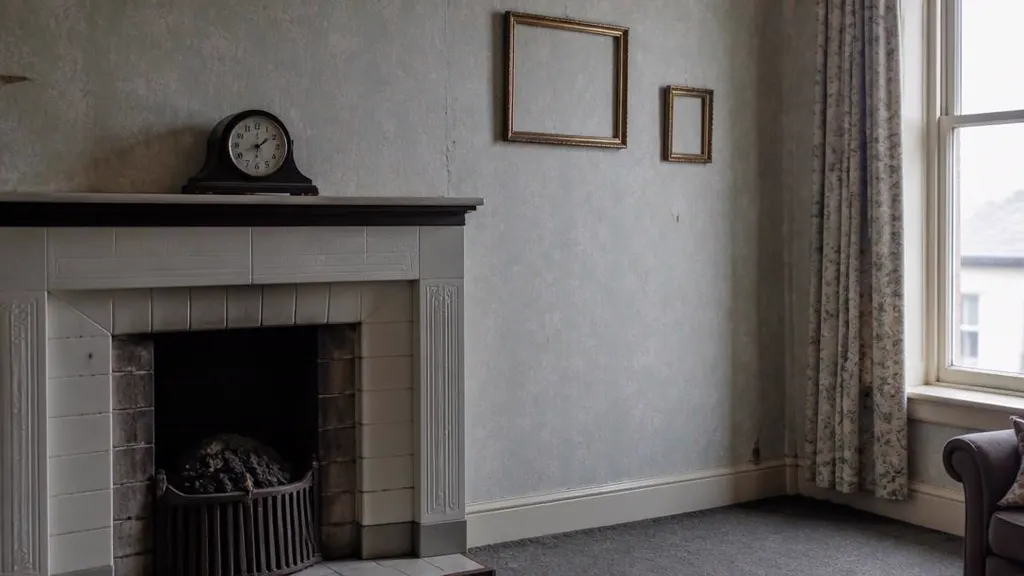 How long after probate can you sell?No legal waiting period once grant is issued. Realistic conveyancing timeline and why executors watch the 6 and 12 month marks.
 Selling a probate property at auctionWhy executors are steered to auction for probate property, the costs and unsold-lot risk, and when a fixed cash offer serves the estate better.