Probate auction vs a fixed cash offer
Executors are often pointed toward auction because it gives an open, competitive sale price that is easy to defend to beneficiaries and HMRC, and it sells the property as-is. The trade-off is marketing time, auctioneer fees, and the real risk the lot does not sell, leaving an empty house costing money while the estate waits. A fixed offer backed by an independent valuation often suits executors better when speed and certainty matter more than chasing the top price.
Want a guaranteed price instead of a guide price?
No reserve, no lot fees, no risk of the lot going unsold. You know the figure before you commit to anything.
Why are executors steered toward auction?
Solicitors and estate agents often suggest auction for probate property for three practical reasons. First, an auction sale is open and competitive, so the hammer price is straightforward to point to as evidence of market value if a beneficiary or HMRC later questions the sale. Second, it demonstrates the executor made a genuine effort to get the best price, which matters because executors owe beneficiaries a duty to act reasonably and in their interests. Third, auction sells the property as-is, with no requirement to repair, redecorate, or clear it first, which suits a house that has often stood empty and untouched since the death.
What does that cost in time and fees?
Entering a property into an auction catalogue usually means waiting for the next available sale date, which can be four to eight weeks away, plus a further legal completion period of typically 20 to 28 days after the hammer falls. Costs to the estate typically include an entry or marketing fee and a commission on the sale price, commonly in the low single-digit percentages, on top of the estate's own conveyancing fees. Exact figures vary by auction house, so check the current published fee scale and terms before committing the estate to a listing.
What is the unsold-lot risk?
Not every lot sells. If bidding does not reach the reserve, the property is withdrawn and the estate is back where it started, only weeks later and often having already paid an entry fee. For a probate property, that risk is more serious than for an ordinary sale, because the house is standing empty the entire time. Standard home insurance often becomes invalid after 30 to 60 days of vacancy, so an unsold lot can leave the estate paying for specific unoccupied property cover, council tax, utilities, and general upkeep, all with no sale in sight. See our guide to probate house insurance for what cover an executor needs during this period.
How does the grant of probate timing fit in?
A property can be entered into an auction catalogue and marketed before grant of probate is issued, but completion cannot happen until the grant is in hand and the executor has legal authority to transfer title. Auction contracts typically fix a firm completion date once the hammer falls, which puts pressure on the estate if the grant is delayed. Grant of probate in England and Wales usually takes 3 to 6 months for a straightforward estate, but can run longer, so timing an auction entry against an uncertain grant date is a genuine planning risk for executors. Our probate hub sets out the full timeline from death to completion if you need the wider picture.
When does a fixed offer serve executors better?
A fixed cash offer, backed by an independent survey, gives an executor a written price to show beneficiaries and HMRC without the entry fee, the marketing wait, or the chance of an unsold lot. It also avoids the pressure of a fixed auction completion date landing before the grant is through, because the offer can be agreed in advance and timed around when the grant actually arrives. This tends to suit estates where speed, certainty, and reducing the burden on the executor matter more than testing the top of the market through competitive bidding. See our guide to house valuation for probate for how an independent valuation supports that written offer.
Where auction genuinely has the edge
Auction is not automatically the wrong choice. Where a probate property is unusual, has development or planning potential, or is likely to attract several determined bidders, real competitive bidding can push the price above what a fixed offer would reach. Executors weighing this up should set that upside against the entry fee, the wait for a sale date, the unsold-lot risk, and the pressure of a fixed completion date landing before the grant is confirmed.
How our process works for probate estates
| Auction | Fixed offer (us) | |
|---|---|---|
| Price certainty | Unknown until hammer falls, or unsold | Fixed in writing after survey |
| Entry and commission fees | Typical, check auctioneer's terms | None |
| Risk of no sale | Real, if reserve is not met | None once offer is accepted |
| Timing around grant of probate | Fixed completion date set at sale | Can be agreed to fit when grant arrives |
| Condition and contents | Sold as-is | Bought as-is, including contents |
| Typical timeline | Weeks to next sale date, plus 20 to 28 days to complete | As little as 7 days after grant, or your date |
We arrange an independent survey and provide a written offer, typically 75 to 80% of assessed market value, with no fees and your legal costs covered. We can agree that price before grant is issued and complete as soon as the grant allows, or on a date that suits the executors and beneficiaries.
Common questions
- Why do solicitors often recommend auction for probate property?
- Auction produces an open, competitive sale with a clear price achieved on a set date, which gives executors a defensible record that they got market value and met their duty to beneficiaries and HMRC. It also sells the property as-is, without repairs or clearance.
- What happens if a probate property does not sell at auction?
- An unsold lot goes back to the drawing board: relisting in a later sale, moving to private treaty through an agent, or accepting a direct offer. Each cycle takes weeks, during which the estate keeps paying council tax, insurance, and upkeep on an empty house.
- Can you list a probate property for auction before grant of probate is issued?
- Yes, you can enter it into a catalogue and market it before the grant, but completion cannot happen until the grant is issued and the executor has legal authority to transfer title. Some auction contracts set a fixed completion date that assumes the grant will be in hand by then, which adds pressure if it is delayed.
- What fees does an estate pay to sell a probate property at auction?
- Costs typically include an entry or marketing fee and a commission on the sale price, commonly in the low single-digit percentages, plus legal fees for the estate's own conveyancing. Figures vary by provider, so check the auctioneer's published fee scale before committing the estate to a listing.
Want a guaranteed price instead of a guide price?
No reserve, no lot fees, no risk of the lot going unsold. You know the figure before you commit to anything.
Related guides
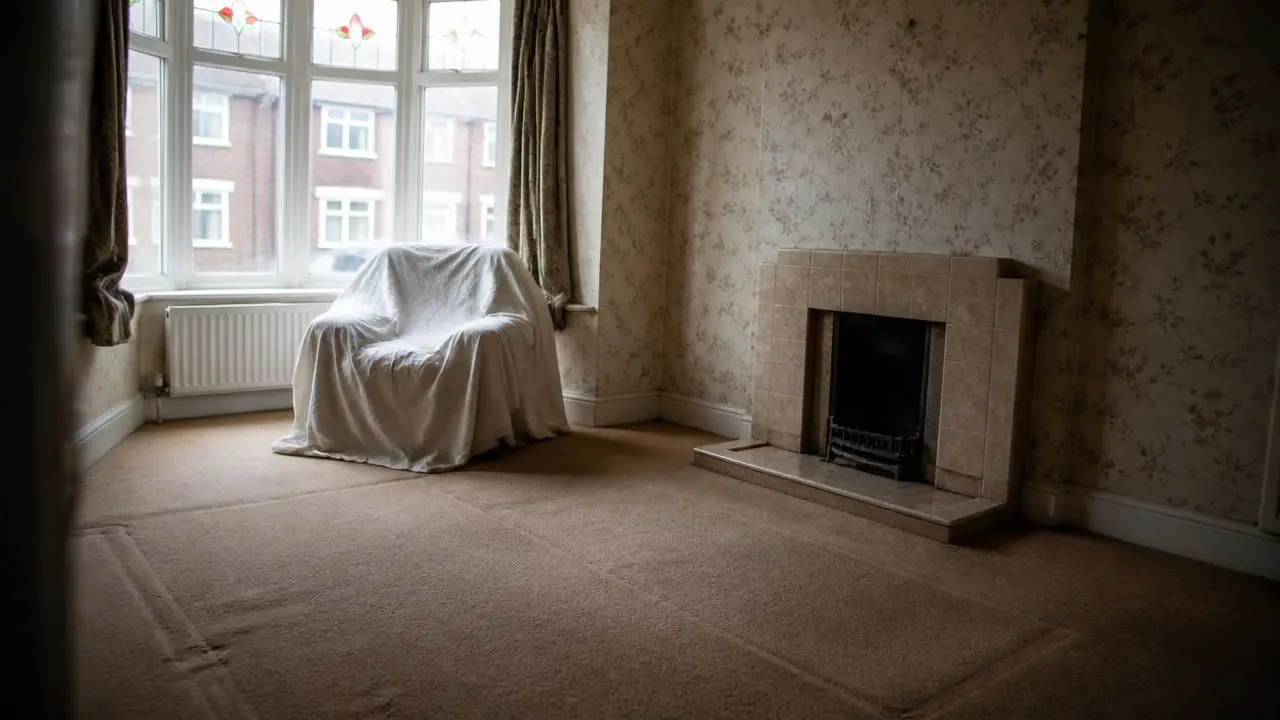 Probate hubExecutor's guide to selling a probate property: timeline, valuation, insurance risk, and how to sell fast, as-is, with contents left in place.
 House valuation for probateDo you need an official valuation for probate? HMRC rules on open market value, RICS red book valuations, and undervaluation risk explained.
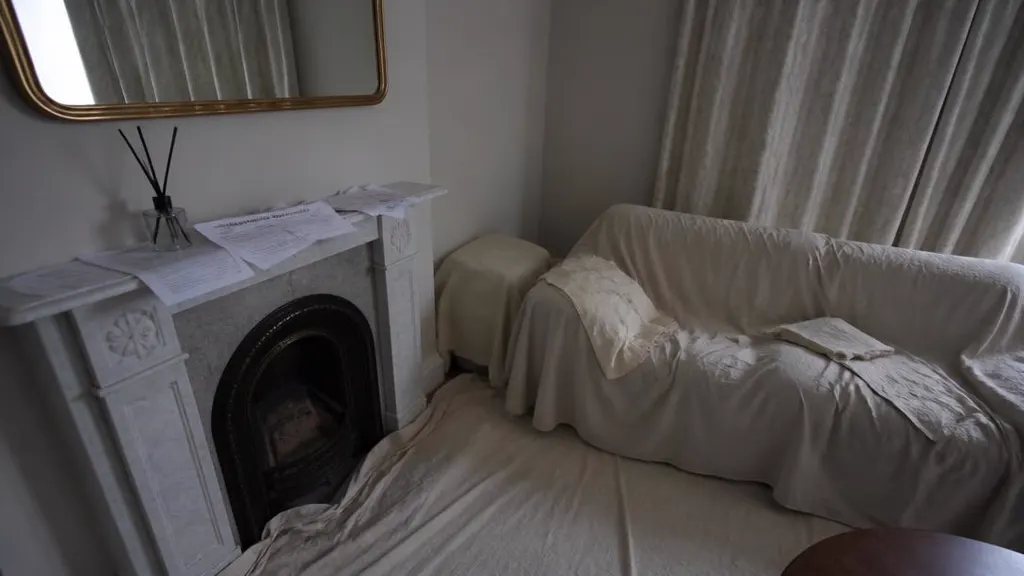 Probate house insuranceProbate house insurance explained: when standard cover lapses, unoccupied property policies, executor liability, and practical steps to take.
 Auction alternative hubHow selling at auction works for a seller, the costs and unsold risk involved, and how a fixed-price cash sale compares as an alternative.