Probate house insurance
Standard home insurance typically stops covering a property once it has stood empty for 30 to 60 days, which is common during probate. The executor needs to switch to an unoccupied property policy, tell the existing insurer the house is empty, and keep checking on it. A faster sale shortens how long that cover is needed.
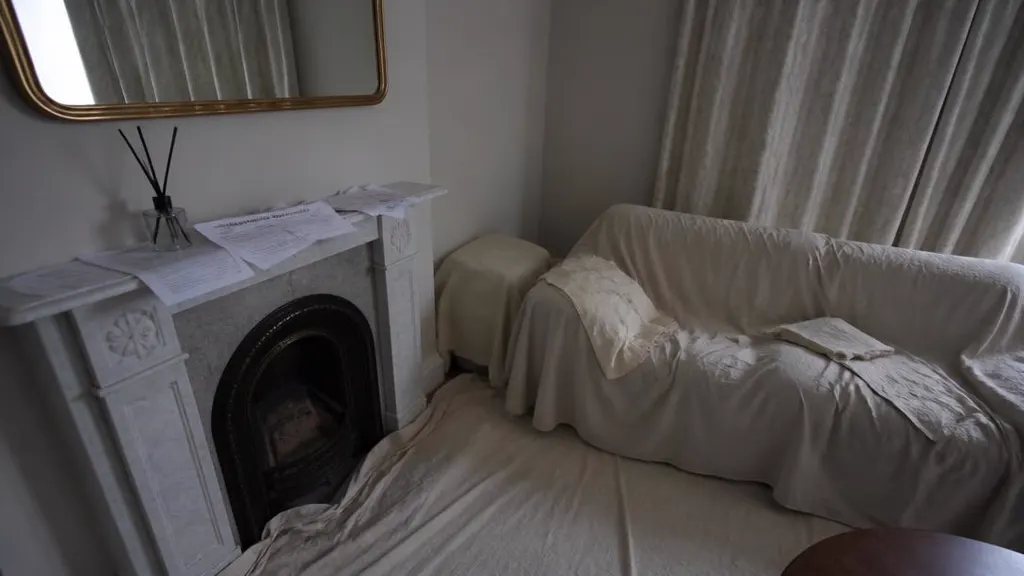
Need the estate settled without a long sale?
We buy probate properties as they are, contents left in place, and we'll work to the date the executors need.
Why does standard home insurance stop covering an empty house?
Home insurers price policies on the assumption that someone lives in the property day to day, spotting leaks, deterring intruders, and keeping the heating on. Once a house is unoccupied, the risk of undetected escape of water, fire going unnoticed, or break-ins rises sharply. Most standard policies respond to this by restricting or voiding cover once the property has been empty for a set period, commonly 30 to 60 days, and many policies require you to notify the insurer as soon as it becomes vacant. Carrying on as if nothing has changed can mean a claim is refused later, even if the original policy is still technically in force.
What is the executor's responsibility?
The executor, or personal representative if there's no will, is responsible for protecting the estate's assets during administration, and the house is usually the largest one. That includes checking what the existing insurance says about unoccupied properties, notifying the insurer that the property is now empty, and arranging suitable cover if the standard policy won't respond. This duty exists whether or not the executor is also a beneficiary, and it continues for as long as the house is unsold and unoccupied.
What does unoccupied property insurance involve?
Unoccupied property insurance is written specifically for empty homes and generally covers risks such as fire, storm damage, and vandalism, though the exact terms vary by insurer. Cover usually comes with conditions attached, and failing to meet them can invalidate a claim in the same way an unnotified vacancy would on a standard policy.
What should executors do in practice?
- Notify the existing insurer the property is unoccupied, or arrange a specialist unoccupied policy.
- Drain down the water system if the house will be empty over a cold period, to reduce the risk of burst pipes.
- Secure the property: check locks, windows, and any alarm system, and consider removing valuables.
- Redirect post so the property doesn't visibly accumulate mail, which signals it's empty.
- Inspect the property every 7 to 14 days, and keep a record of each visit for the insurer and the estate file.
How does a faster sale reduce this cost and risk?
| Cost or task | Applies while unsold |
|---|---|
| Unoccupied property insurance premium | Monthly or annual, until sale completes |
| Council tax on an empty property | Often full rate after an initial period, varies by council |
| Utilities standing charges | Continue even with minimal usage |
| Regular inspection visits | Time or cost if paying someone to check the property |
Every month a probate property sits unsold adds another round of these costs to the estate, on top of the underlying risk of something going wrong while no one is living there. Selling as soon as the grant allows, rather than waiting for the open market, shortens that exposure. We arrange a survey and give a written offer within 24 hours, then exchange and complete in as little as 7 days once the grant is in hand, buying the property as-is so insurance responsibility passes to us at completion.
Read next
Common questions
- Does standard home insurance cover an empty probate property?
- Usually not for long. Most standard home insurance policies limit or exclude cover once a property is left unoccupied for 30 to 60 days, and some insurers require you to tell them as soon as it becomes empty.
- Who is responsible for insuring a house during probate?
- The executor or personal representative is responsible for protecting the estate's assets, including arranging or checking insurance on any empty property, until the estate is administered and the house is sold or transferred.
- What is unoccupied property insurance?
- It's a specialist policy designed for empty homes, usually covering risks such as fire, storm, and vandalism, though often with conditions like regular inspections, a working alarm, and the water supply being drained down if the property is empty over winter.
- What happens if the house is not insured and something goes wrong?
- If there's no valid cover and the property is damaged by fire, flood, or a burst pipe, the cost of repair falls on the estate, reducing what beneficiaries eventually receive. Executors can also face personal criticism for failing to protect estate assets.
- Can selling the house quickly remove the insurance problem?
- Yes. Once the sale completes, insurance responsibility passes to the buyer. Selling as soon as grant of probate allows means fewer months of unoccupied property premiums and less time exposed to an empty house.
Need the estate settled without a long sale?
We buy probate properties as they are, contents left in place, and we'll work to the date the executors need.
Related guides
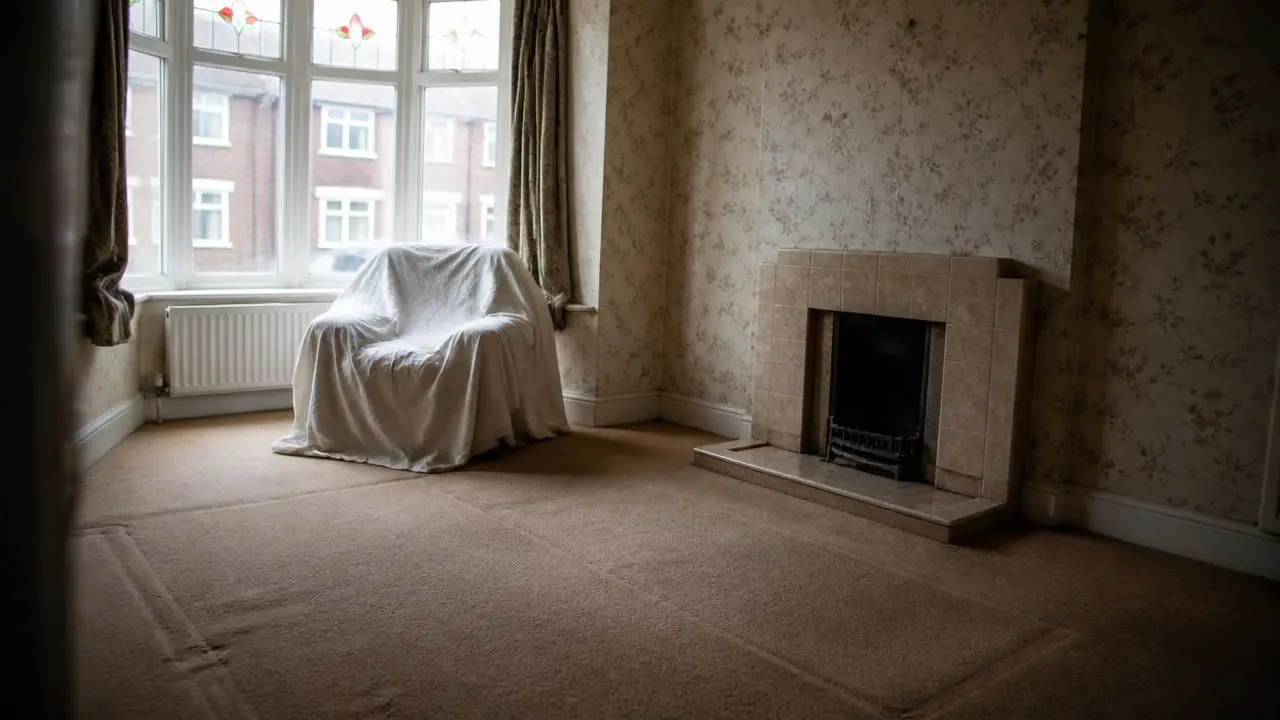 Probate hubExecutor's guide to selling a probate property: timeline, valuation, insurance risk, and how to sell fast, as-is, with contents left in place.
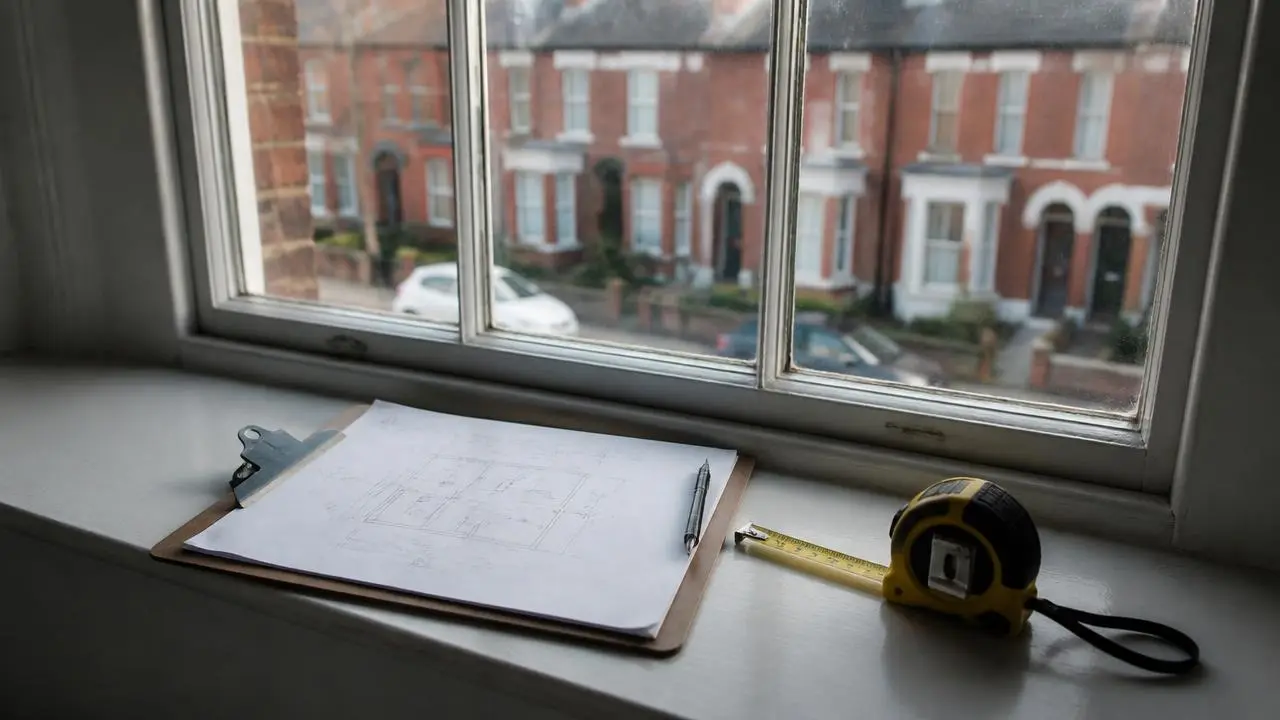 House valuation for probateDo you need an official valuation for probate? HMRC rules on open market value, RICS red book valuations, and undervaluation risk explained.
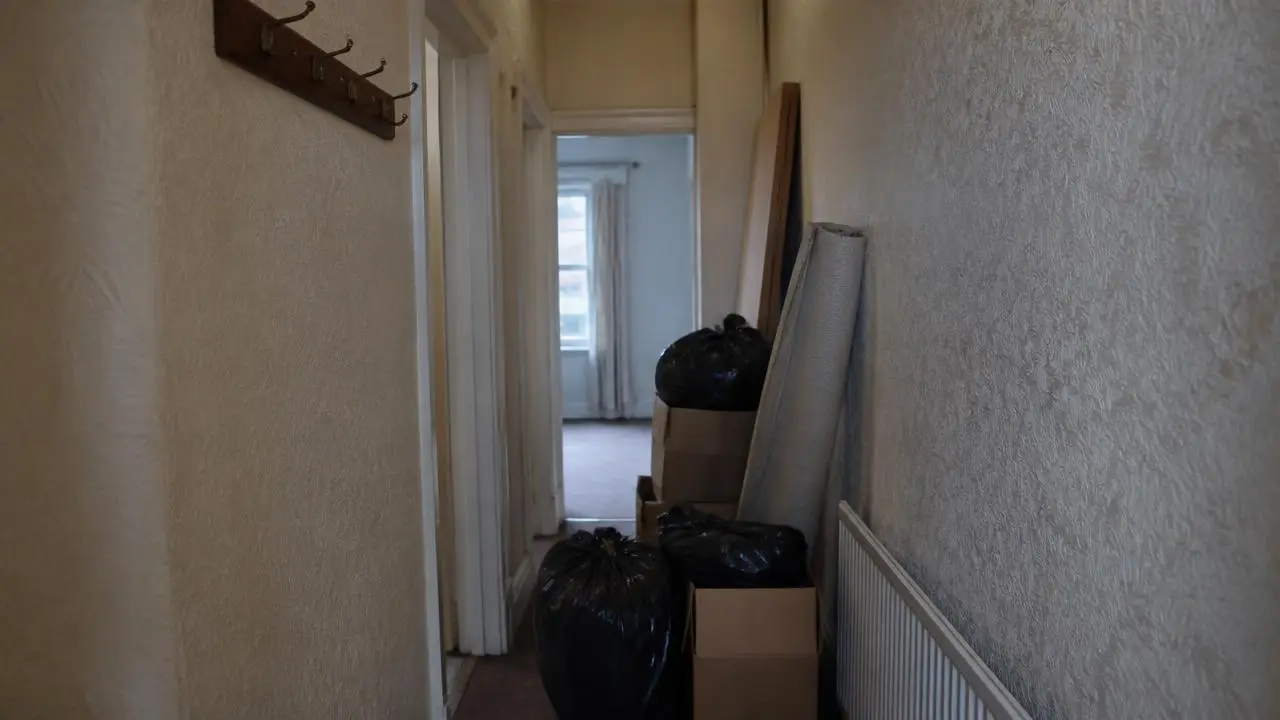 Probate house clearanceProbate house clearance explained: what probate property means, inventorying and valuing contents, timing against the grant, and selling as-is.
 Selling an inherited houseSelling an inherited house: agreeing with other beneficiaries, capital gains tax on the uplift, keep vs sell vs let, and clearing contents.