Probate house clearance
A probate property is a house owned by someone who has died, forming part of their estate. Before clearing it, the executor should inventory and value the contents, since they count towards the estate. Clearance is not required before selling to us, since we buy probate properties as-is with contents left in place.
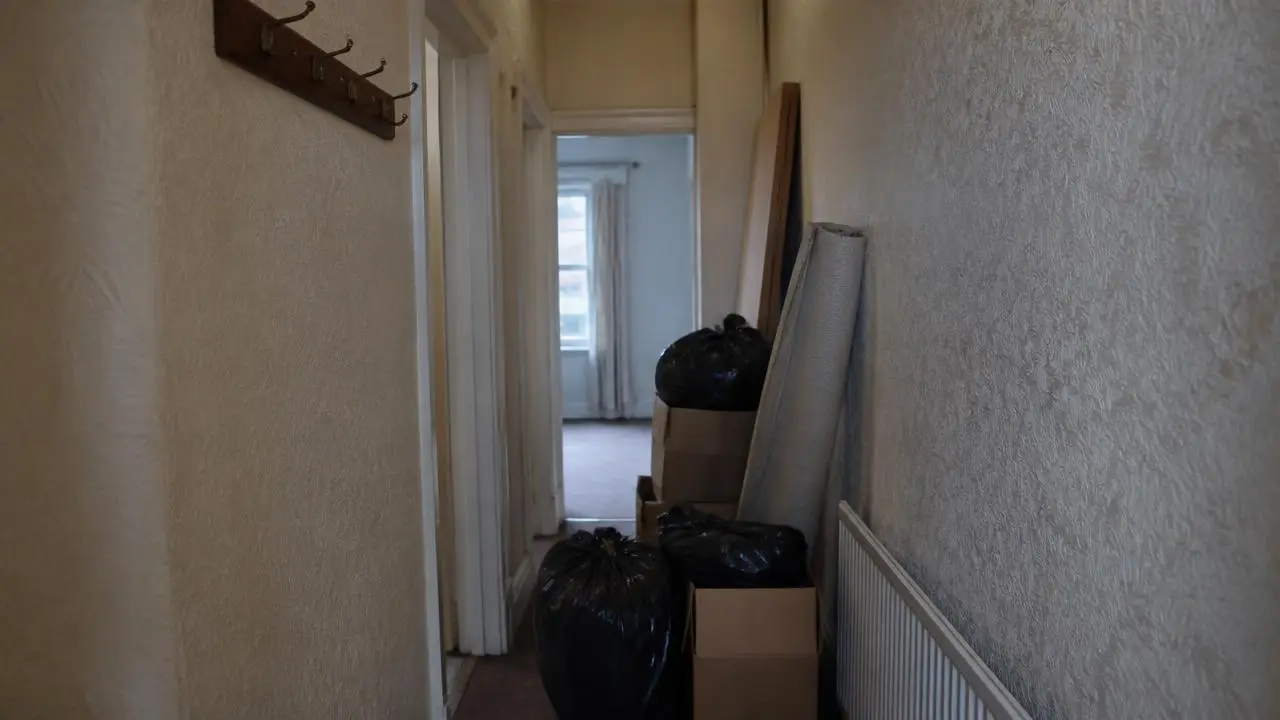
Need the estate settled without a long sale?
We buy probate properties as they are, contents left in place, and we'll work to the date the executors need.
What is probate property?
Probate property is any house, flat, or land that belonged to someone who has died and forms part of their estate. It's called a probate property because dealing with it, marketing it, exchanging contracts, and completing a sale, generally requires the executor to hold grant of probate, the legal document confirming they have authority to administer the estate. Until the grant is issued, the executor can prepare the property for sale but cannot transfer legal title to a buyer.
Should you inventory the contents before clearing anything?
Yes. Before any clearance starts, the executor's job includes identifying and valuing what's inside the property as part of valuing the estate as a whole. This matters for two reasons. First, the total value of the estate, including contents, feeds into any inheritance tax calculation. Second, beneficiaries may have views or entitlements relating to specific items, particularly if the will mentions personal possessions by name. Working through room by room and recording what's there, before anything is thrown away, sold, or given away, protects the executor if questions come up later.
How should chattels be valued?
Everyday household contents are often valued together as a single estimated figure for probate purposes, but anything that looks like it could have significant value, such as jewellery, antiques, art, coins, or collectables, is usually worth getting looked at separately by a specialist or auction house before it's cleared or disposed of. This avoids either under-declaring the estate's value to HMRC or accidentally clearing out something worth considerably more than it looked.
When should clearance happen relative to the grant?
Sorting, inventorying, and photographing contents can start as soon as the executor has access to the property, well before the grant is issued. Full clearance, meaning removing everything and disposing of what isn't kept, is usually better left until the inventory and valuation are settled and any items beneficiaries want have been agreed. There's no legal requirement to clear the house before applying for probate, and rushing to clear it early can create disputes if something turns out to matter to a beneficiary or to the estate's valuation.
Do you need to clear the house before selling it?
Not if you sell to us. We buy probate properties as-is, including everything left inside, so there's no need to organise a clearance company, hire a skip, or arrange storage before completion. You can remove anything of sentimental or financial value first and leave the rest, which saves time and cost for the estate compared with clearing the property fully ahead of an open-market sale.
Read next
Common questions
- What is probate property?
- A probate property is a house or flat owned by someone who has died, which forms part of their estate. It usually cannot be sold or transferred until grant of probate, or Confirmation in Scotland, gives the executor legal authority to deal with it.
- Do I have to clear the house before applying for probate?
- No. Clearance isn't a legal requirement for the probate application itself, but the executor should inventory and value the contents as part of valuing the estate, particularly anything of significant value.
- Can I clear the house before the grant of probate is issued?
- You can start sorting and inventorying belongings before the grant, but you should avoid disposing of anything valuable or disputed until it's clear the estate's valuation and any beneficiary entitlements have been recorded.
- Do I need to clear a probate property before selling it?
- Not if you sell to us. We buy probate properties as-is, with all contents left in place, so there's no need to arrange skips, a clearance company, or storage before completion.
- What should happen to valuable items found during clearance?
- Anything of significant value, such as jewellery, antiques, art, or collectables, should be identified and valued before disposal, since it forms part of the estate and may affect inheritance tax or how the estate is divided between beneficiaries.
Need the estate settled without a long sale?
We buy probate properties as they are, contents left in place, and we'll work to the date the executors need.
Related guides
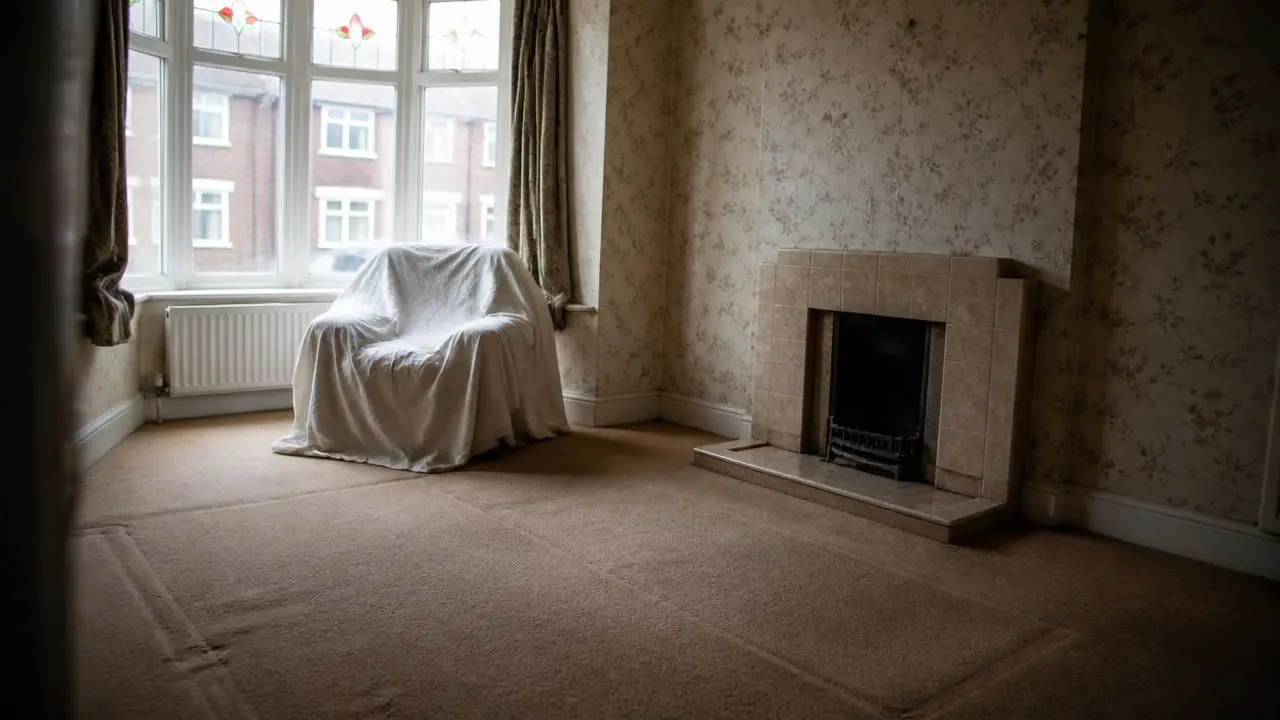 Probate hubExecutor's guide to selling a probate property: timeline, valuation, insurance risk, and how to sell fast, as-is, with contents left in place.
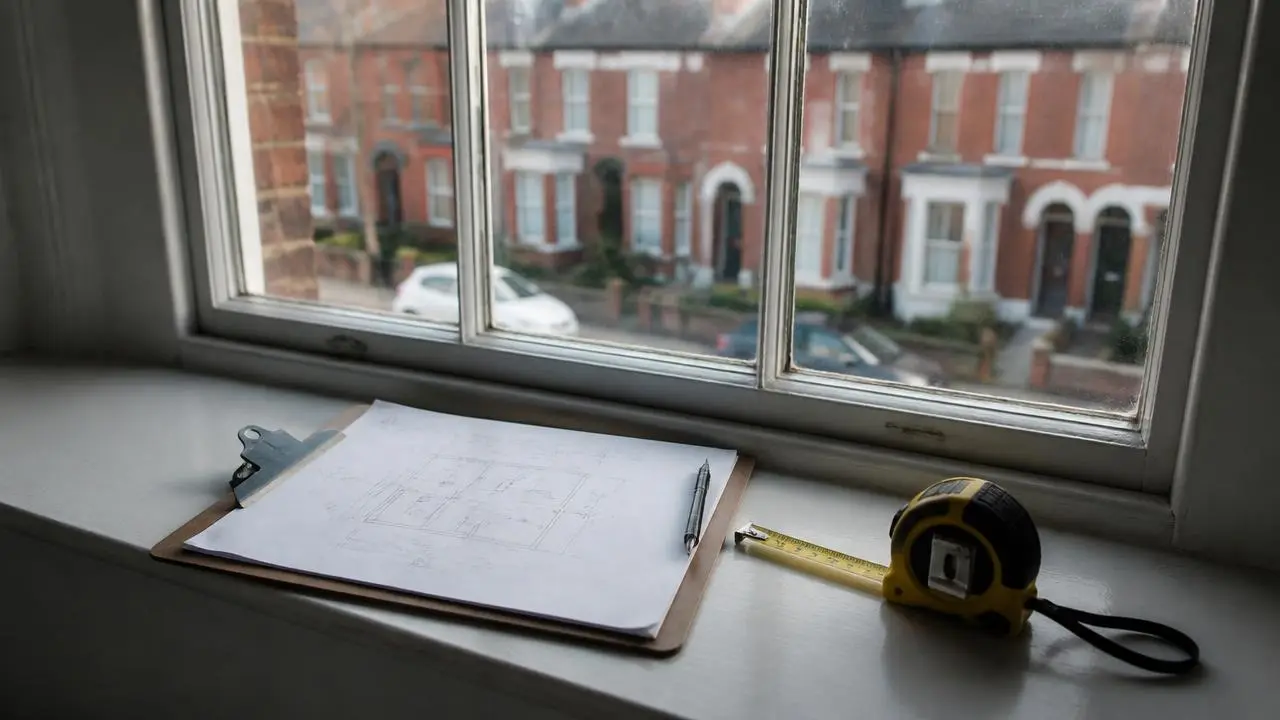 House valuation for probateDo you need an official valuation for probate? HMRC rules on open market value, RICS red book valuations, and undervaluation risk explained.
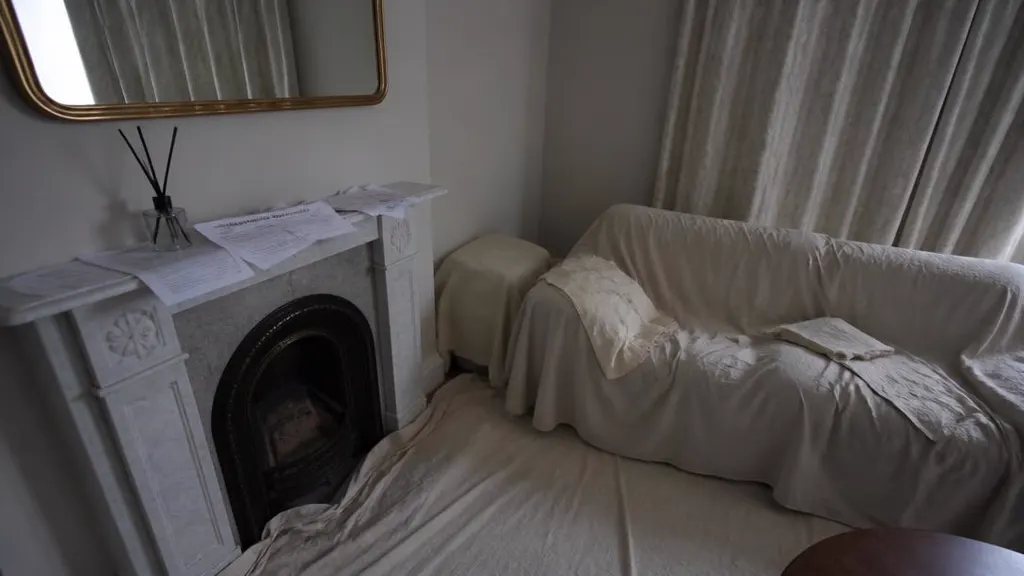 Probate house insuranceProbate house insurance explained: when standard cover lapses, unoccupied property policies, executor liability, and practical steps to take.
 Selling an inherited houseSelling an inherited house: agreeing with other beneficiaries, capital gains tax on the uplift, keep vs sell vs let, and clearing contents.