Sell an unmortgageable property
An unmortgageable property is one a mortgage lender's surveyor will not secure a loan against, because of construction type, structural defects, or a legal issue like a short lease or an onerous ground rent. You sell it by finding a cash buyer, taking it to auction, or fixing the defect first. A genuine cash sale is usually the fastest, completing in as little as 7 to 28 days.
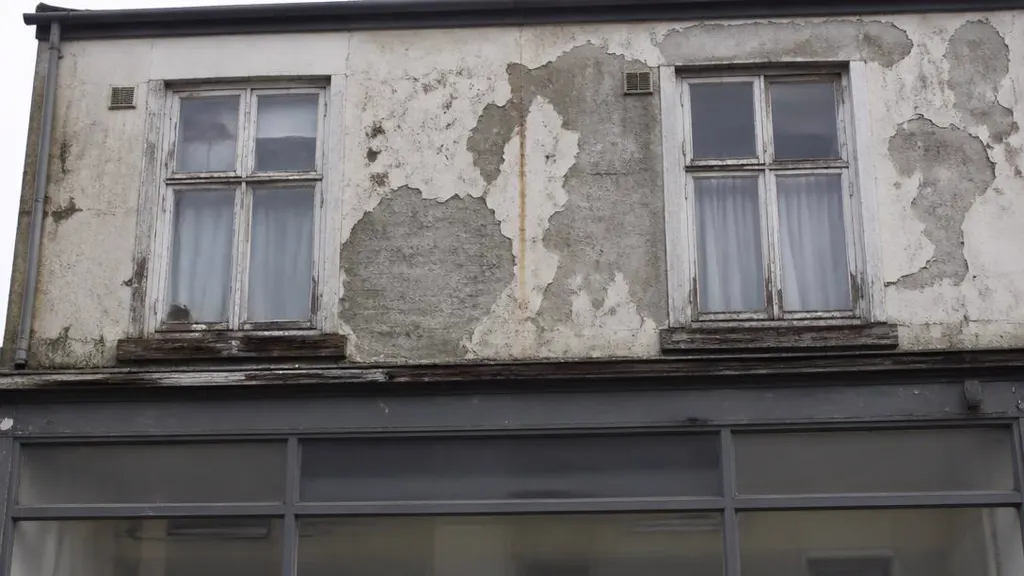
Been turned down by a lender's surveyor?
We buy with our own cash, so a mortgage valuation can't sink the sale. Send us the postcode and the problem.
What makes a property unmortgageable?
Lenders will not lend against a property until their surveyor is satisfied it is sound, marketable, and adequate security for the loan. A property becomes unmortgageable, or hard to mortgage, when the surveyor's report flags a risk the lender is not prepared to carry. Common triggers include:
- Non-standard construction. Concrete prefabs, steel or timber frame types, and certain PRC houses fall outside standard lending criteria unless they hold specific certification.
- Subsidence. Active movement, or a history of movement without a completed monitoring period, worries lenders even after underpinning.
- Japanese knotweed. Undisclosed or untreated knotweed within or near the boundary is a standard TA6 question and can stop a mortgage outright.
- Fire or flood damage. Until reinstatement work is signed off against building regulations, the property is treated as a construction risk rather than a home.
- Short lease. Leases under about 80 years hit lending because the cost of extending the lease erodes the security value, and many lenders decline outright under 70 years.
- Cladding issues. Flats without a satisfactory EWS1 form, or in blocks awaiting remediation, are routinely declined.
- No kitchen or bathroom. A property that is not habitable in the lender's terms cannot be mortgaged as a standard residential purchase.
- Structural movement. Cracking, bowing walls or roof spread beyond cosmetic wear needs a structural engineer's report before any lender will reconsider.
- Derelict or uninhabitable condition. Missing services, unsafe access or extensive disrepair puts the property outside standard residential mortgage terms entirely.
Why do chains collapse at the valuation stage?
A buyer's mortgage offer is conditional on the lender's own valuation, not just the agreed price. The surveyor visits, writes up the defect, and the lender either down-values the property or refuses to lend on it at all. This often happens weeks into a sale, after searches have started and a moving date has been pencilled in, which is why unmortgageable properties see a high proportion of agreed sales fall through before exchange.
What are the three realistic routes out?
Once a property is confirmed unmortgageable, there are three practical options: sell to a cash buyer who does not need a mortgage, sell at auction to the pool of cash and bridging-finance buyers who attend, or fix the underlying defect and then sell on the open market to a normal buyer pool.
| Cash buyer | Auction | Fix it first | |
|---|---|---|---|
| Typical timescale | 7 to 28 days | 6 to 8 weeks to completion | Months, depending on the defect |
| Upfront cost to you | None | Entry and legal pack fees | Full cost of remedial works, often significant |
| Price outcome | Reflects condition, agreed before completion | Can be below or above guide price, no certainty | Highest achievable if works are done properly |
| Certainty | High, once survey confirms offer | High after the hammer falls, low before it | Low until works pass building control and a new survey |
| Best suited to | Needing a fast, guaranteed sale | Sellers comfortable with an open market of investors | Sellers with time, budget and no urgency |
How do cash buyers price an unmortgageable property?
Because we buy without a mortgage or a valuation condition, the defect that stopped a normal sale does not stop ours. The offer reflects the cost and risk of the issue, so it will sit below the market value of a comparable defect-free property, but it removes the need to fund repairs, wait for planning consents, or find a buyer willing to take on the same risk you are trying to sell out of.
Do I have to disclose the defect?
Yes. The TA6 property information form asks specific questions about knotweed, subsidence, flooding and structural work. Selling without disclosing a known issue can expose you to a claim from the buyer after completion, so it is worth being upfront early, whichever route you choose.
Common questions
- What makes a house unmortgageable?
- A lender will decline a mortgage on valuation if the property has non-standard construction, subsidence, Japanese knotweed, fire or flood damage, a lease under about 80 years, unsafe cladding, no working kitchen or bathroom, structural movement, or is derelict. The surveyor flags the risk and the lender simply refuses to secure a loan against it.
- Can I still sell an unmortgageable house?
- Yes. You sell to a cash buyer who does not need mortgage finance, take it to auction, or fix the underlying problem first and sell on the open market afterwards. Each route has a different trade-off between speed and price.
- Why do sales on unmortgageable houses fall through?
- The buyer's mortgage offer is conditional on the lender's valuation. If the surveyor down-values the property or the lender refuses to lend at all because of construction type or defects, the buyer cannot complete and the chain collapses, often weeks after an offer was accepted.
- Do I have to disclose known defects to a buyer?
- Yes. The TA6 property information form asks direct questions about japanese knotweed, subsidence, flooding and building works. Answering incorrectly can lead to a claim against you after completion, so defects should be declared even if they make the property harder to sell.
- Will a cash buyer offer less for an unmortgageable property?
- Usually, because the buyer is taking on the risk and cost of the defect and cannot easily resell to someone needing a mortgage. Expect an offer that reflects the property's condition rather than a like-for-like comparable in good repair.
- Is it worth fixing the problem before selling?
- It depends on cost versus the price uplift. Underpinning, cladding remediation or a full knotweed treatment plan can run into tens of thousands of pounds and take months, so it only makes sense if the resulting sale price and speed clearly outweigh that outlay.
Sources
Been turned down by a lender's surveyor?
We buy with our own cash, so a mortgage valuation can't sink the sale. Send us the postcode and the problem.
Guides in this section
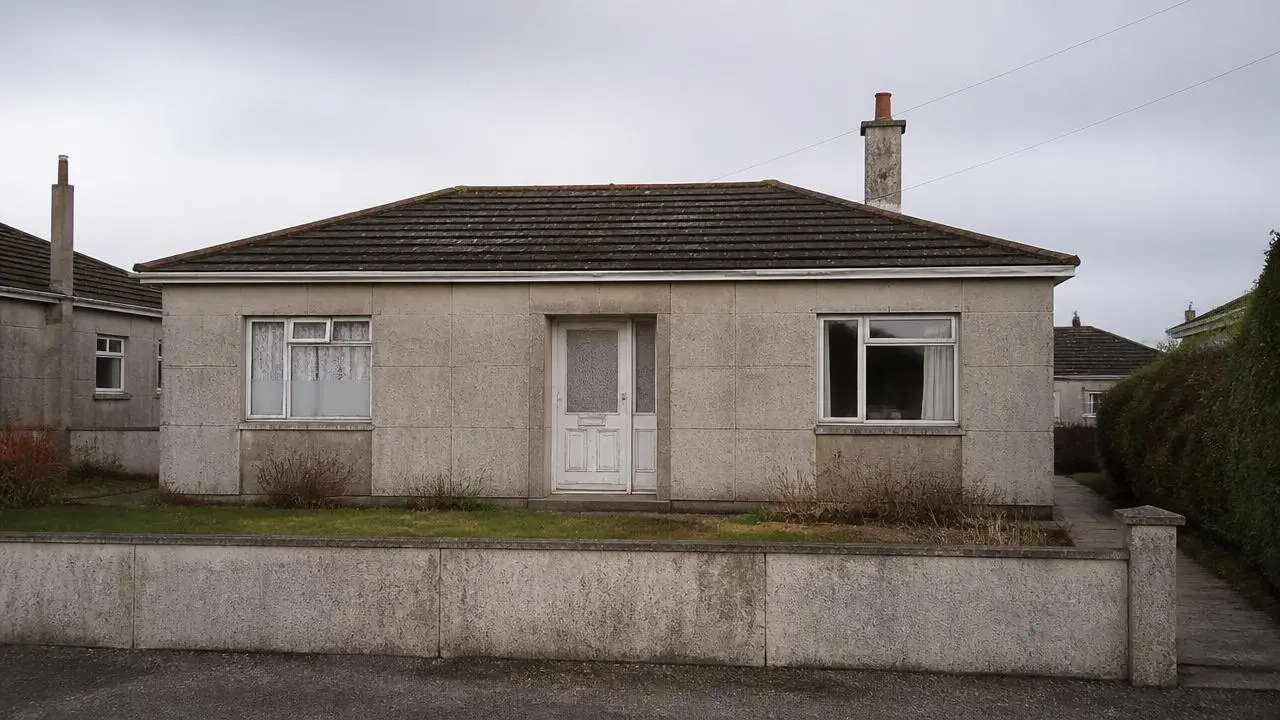 Non-standard construction houses and mortgagesWhich construction types lenders accept and which need certification.
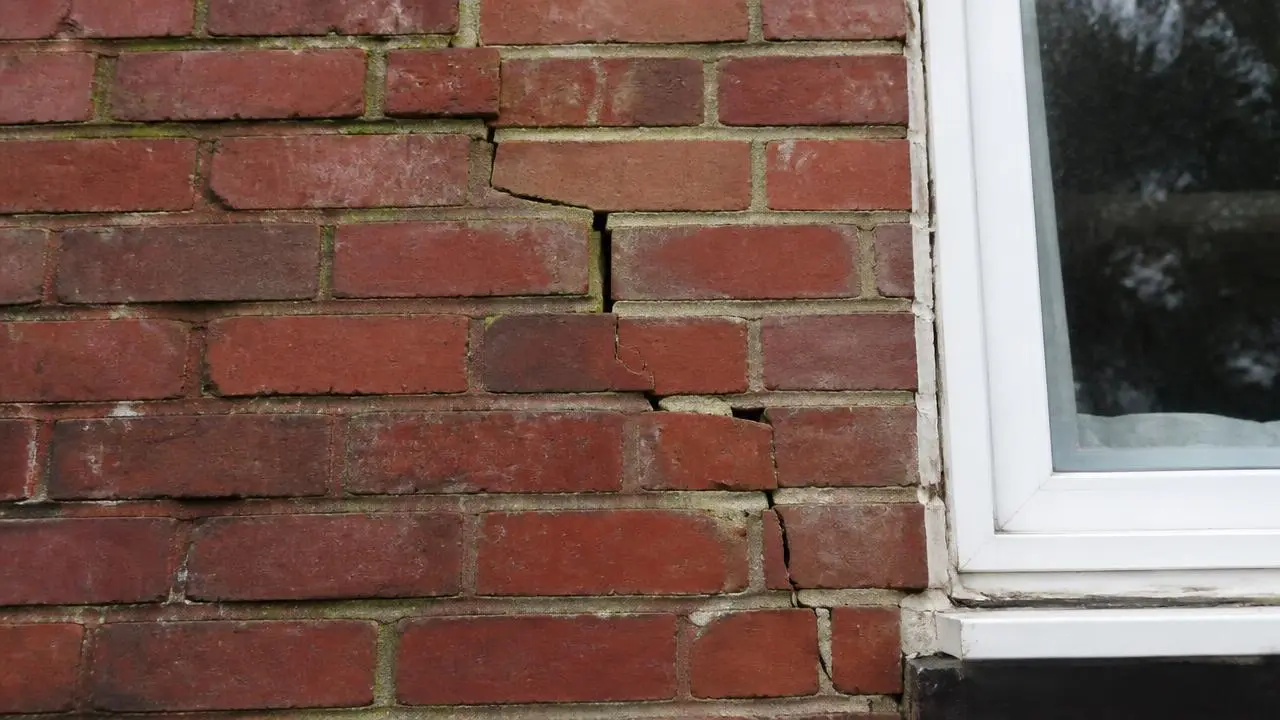 Selling a house with subsidenceSigns, causes, monitoring periods and how to sell before or after repair.
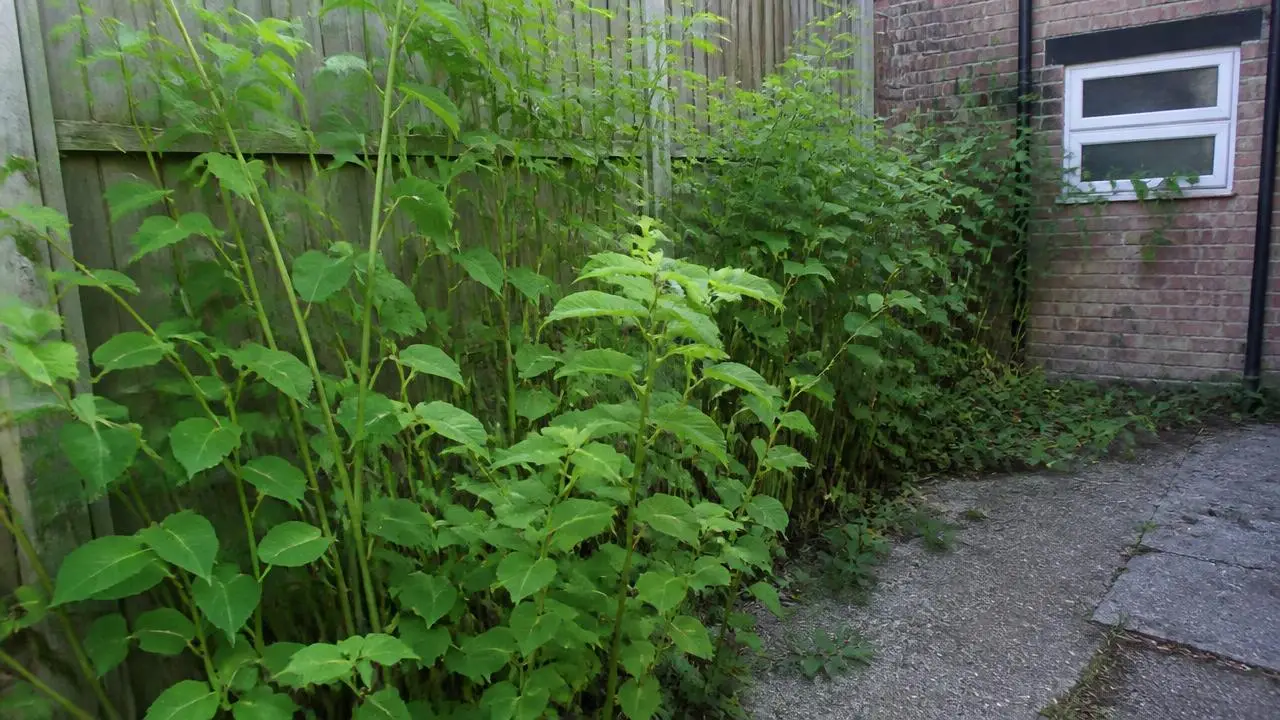 Selling a house with Japanese knotweedDisclosure rules, RICS categories and treatment plan timescales.
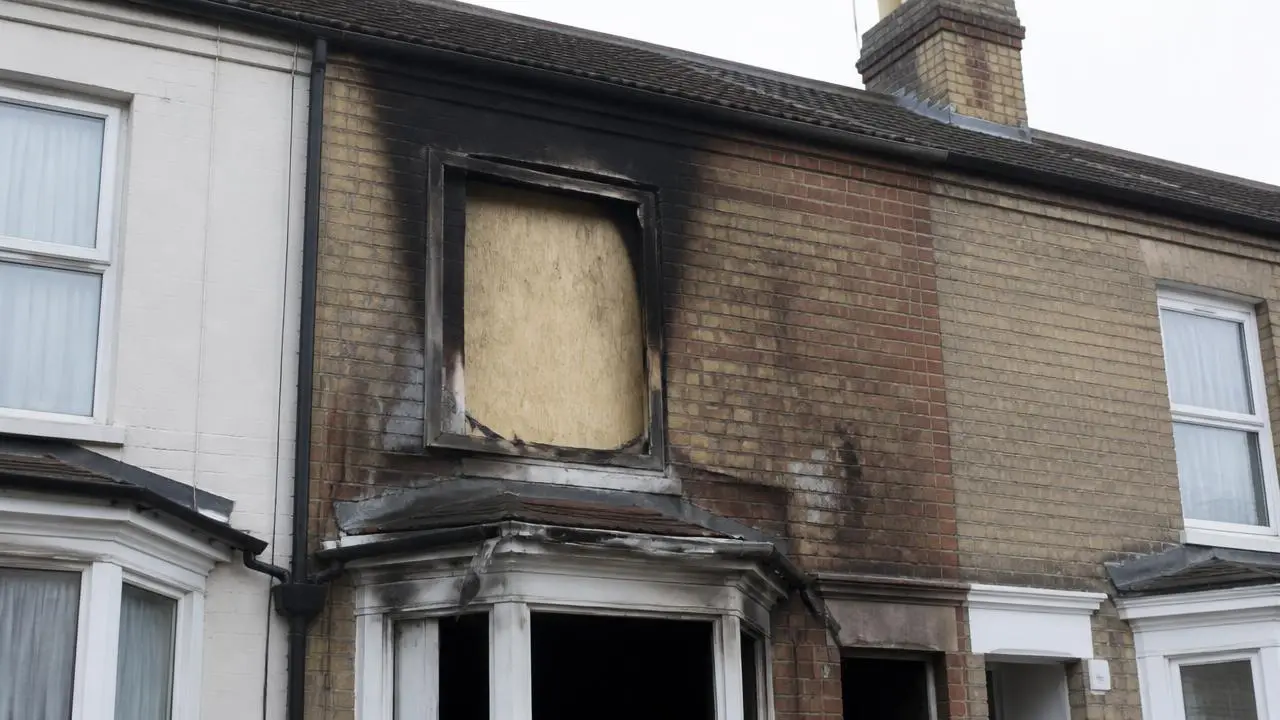 Selling a fire damaged houseInsurance claim options, surveys needed, and rebuild cost pricing.
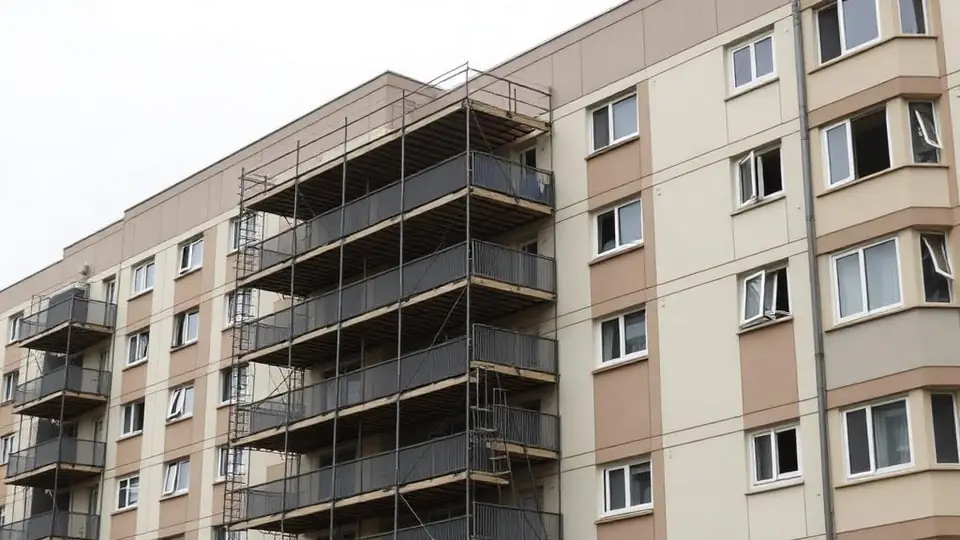 EWS1 form and claddingWhat the A1 to B2 ratings mean and who has to obtain the form.
 Selling a flat with a short leaseWhy 80 years matters, what extending costs, and the three routes out.
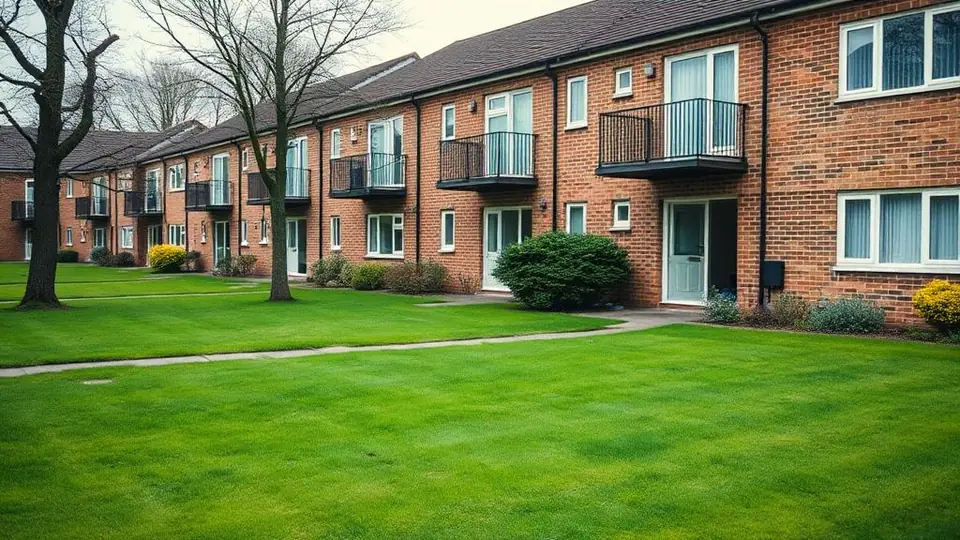 Ground rent and peppercorn rent explainedDoubling clauses, deeds of covenant, and the lending lines lenders draw.
- How to sell an unsellable houseWork out whether the blocker is price, presentation, the chain, or a lender.
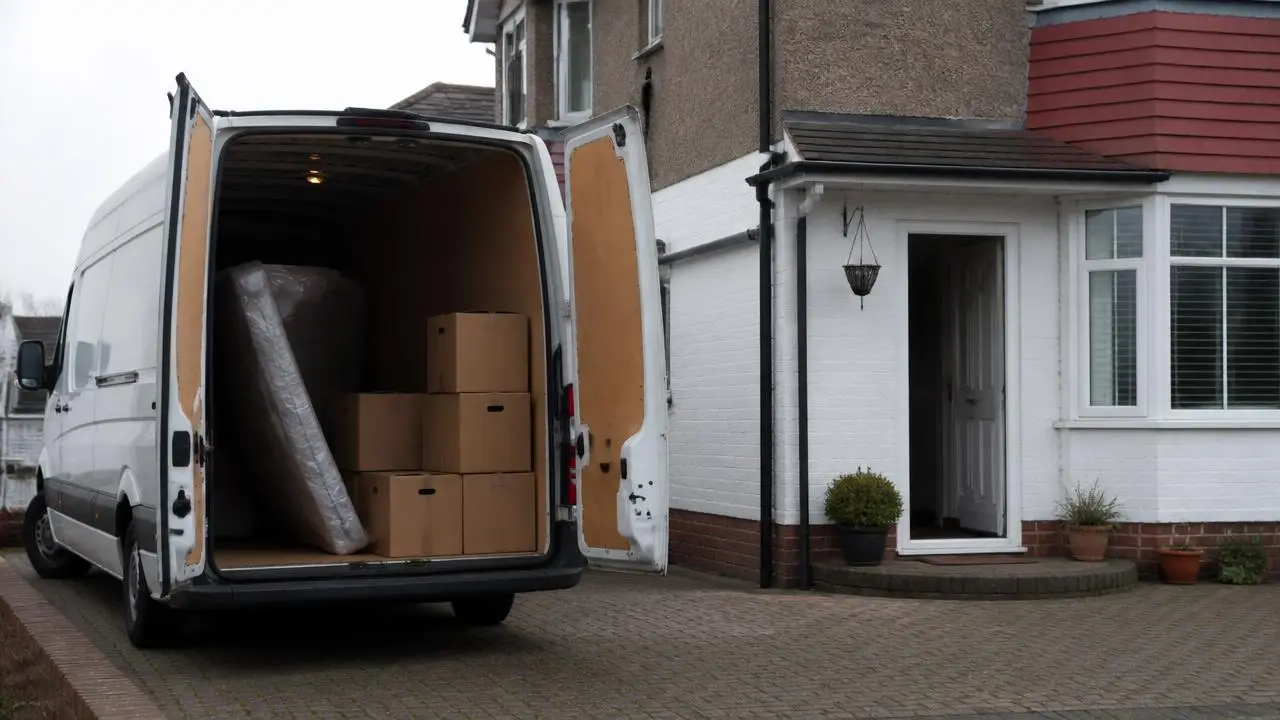 Sell your house fast: full guideThe full overview of every fast sale route we cover.
 Auction as an alternative to a cash saleHow auction compares with a cash buyer for a tricky property.