Non-standard construction houses and mortgages
Non-standard construction covers concrete prefabs, steel frame, timber frame, thatch and single skin brick, built differently from the standard brick and block, tiled roof house lenders expect. Some types remain mortgageable, others need certification like a PRC Homes certificate, and some are declined outright, which narrows the buyer pool and pushes many owners toward a cash sale.
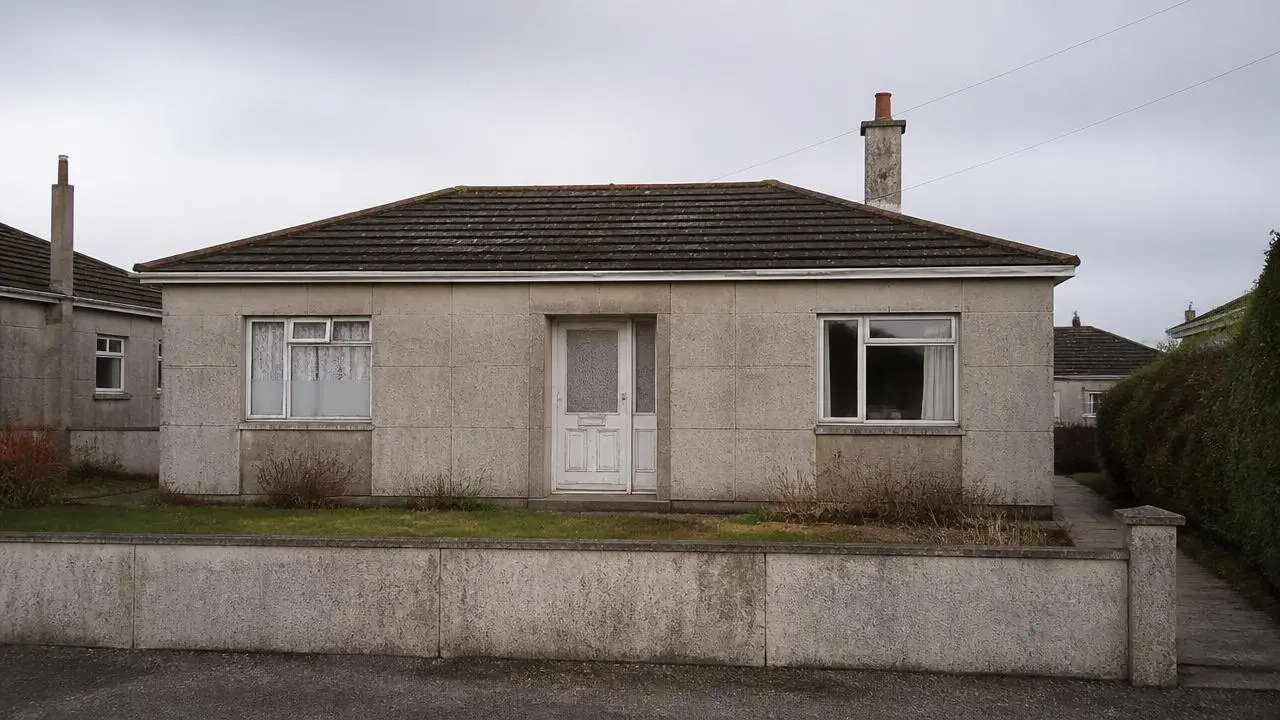
Been turned down by a lender's surveyor?
We buy with our own cash, so a mortgage valuation can't sink the sale. Send us the postcode and the problem.
What is non-standard construction?
Standard construction, in mortgage terms, means brick or block cavity walls under a pitched, tiled roof. Anything built differently falls under non-standard construction, and lenders assess it on a case-by-case basis because the resale market and long-term durability are less predictable.
Concrete prefabs: Airey and Cornish types
Built quickly after the Second World War to ease a housing shortage, these houses used precast reinforced concrete (PRC) panels instead of brick. Many types, including Airey and Cornish houses, were later found to suffer from concrete degradation and were designated as defective under housing legislation. Original, unrepaired examples are generally unmortgageable.
Steel frame houses
Steel frame construction ranges from post-war prefabs to modern steel-framed new builds. Older steel frame types can suffer corrosion issues that worry surveyors, while modern steel frame homes built to current regulations are usually treated much like standard construction, provided there is no visible corrosion or movement.
Timber frame houses
Most timber frame houses built to current building regulations, with a masonry outer skin, are mortgageable on standard terms. Issues arise with older timber frame stock, cases of damp affecting the timber structure, or non-standard cladding systems in place of brick.
Thatch and single skin brick
Thatched roofs are mortgageable but come with higher insurance premiums and a requirement for recent re-thatching or a fire-retardant treatment in some cases. Single skin brick walls, common in older extensions and some cottages, lack a cavity and insulation layer, which surveyors flag as a durability and damp risk, sometimes leading to a decline or a retention pending remedial work.
Which types do lenders generally accept?
| Construction type | Typical lender attitude |
|---|---|
| Modern timber frame, current regs | Usually accepted, similar to standard construction |
| Steel frame, modern, no corrosion | Usually accepted by a reasonable range of lenders |
| PRC type with certification | Accepted by more lenders once certified and repaired |
| PRC type, uncertified | Generally declined |
| Thatched roof | Accepted, often with specialist insurance conditions |
| Single skin brick | Often declined or subject to retention |
What is a PRC Homes certificate?
PRC Homes Ltd issues certification for repaired precast reinforced concrete houses, including Airey and Cornish types, once the original concrete elements have been removed and replaced with conventional masonry to a recognised standard. A valid certificate, sometimes paired with an insurance-backed guarantee, is usually what turns one of these houses from unmortgageable back into something a reasonable number of lenders will consider.
The resale reality
Even accepted non-standard types tend to attract fewer lenders, which means fewer buyers can secure a mortgage, longer marketing periods, and often a lower achieved price than an equivalent standard construction house nearby. Uncertified PRC types, single skin brick and defective prefabs are frequently sold to cash buyers or investors who plan to fund remedial works themselves, since a normal mortgaged buyer simply cannot get through the door.
Common questions
- What counts as non-standard construction?
- Anything built without traditional brick or block walls under a pitched, tiled roof. That includes concrete prefabs such as Airey and Cornish houses, steel frame, timber frame, thatched roofs, and single skin brick walls. Lenders assess these differently from standard construction.
- Can you get a mortgage on a non-standard construction house?
- Sometimes, but the pool of lenders shrinks and rates or deposit requirements are often less favourable. Certain PRC types with a recognised repair certification are more mortgageable than uncertified examples of the same house type.
- What is a PRC Homes certificate?
- It's a certificate confirming a precast reinforced concrete house has been repaired to a recognised standard, usually by removing the original concrete panels and rebuilding in masonry. Lenders generally require this certification before considering a mortgage on PRC types like Airey or Cornish houses.
- Is a timber frame house harder to sell?
- Not usually, since most modern timber frame homes are mortgageable if built to current building regulations. Older or non-standard timber frame construction, or ones with visible defects, can still cause a valuation to be more cautious.
- Why do these houses often sell for less?
- A smaller pool of mortgage-ready buyers means less competition and, often, a longer time on the market, which puts downward pressure on the achievable price compared with an equivalent standard construction property nearby.
- Can I sell a non-standard construction house for cash instead?
- Yes. A cash buyer does not need mortgage approval, so construction type is not a barrier in the same way. It is one of the most common reasons people ask us for a fast, guaranteed sale.
Sources
Been turned down by a lender's surveyor?
We buy with our own cash, so a mortgage valuation can't sink the sale. Send us the postcode and the problem.
Related guides
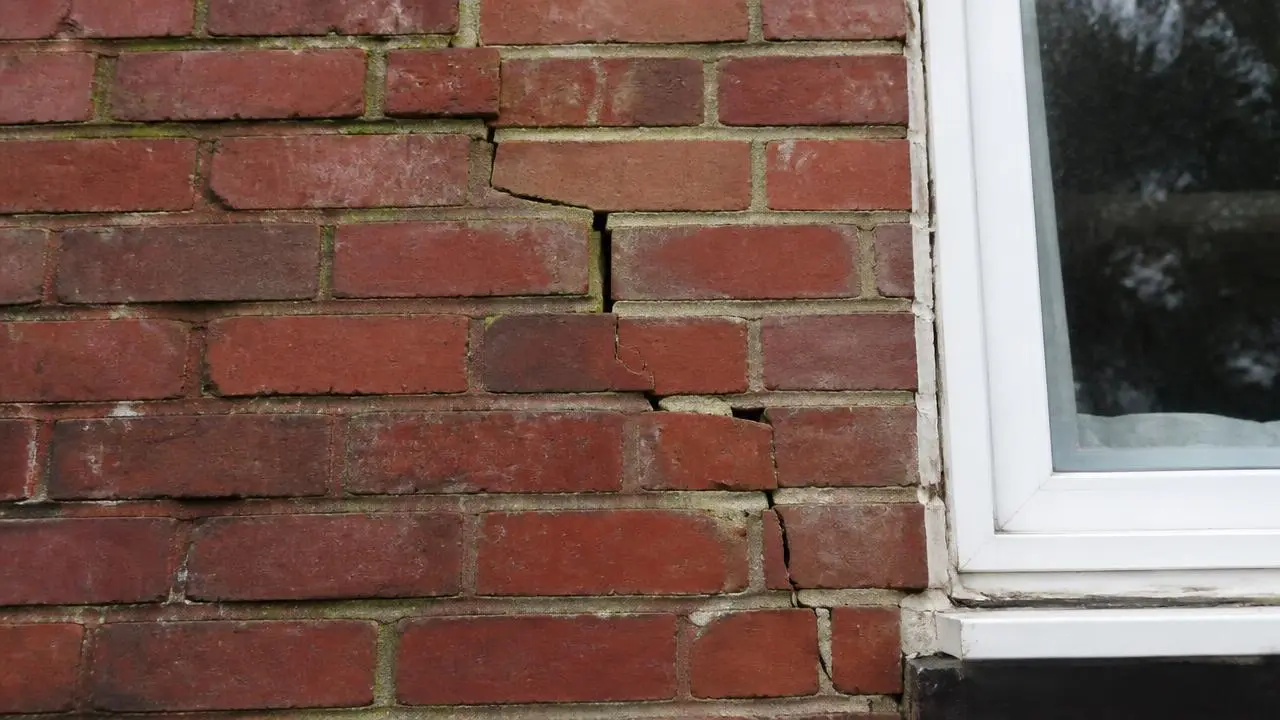 Selling a house with subsidenceSigns, causes, monitoring periods and how to sell before or after repair.
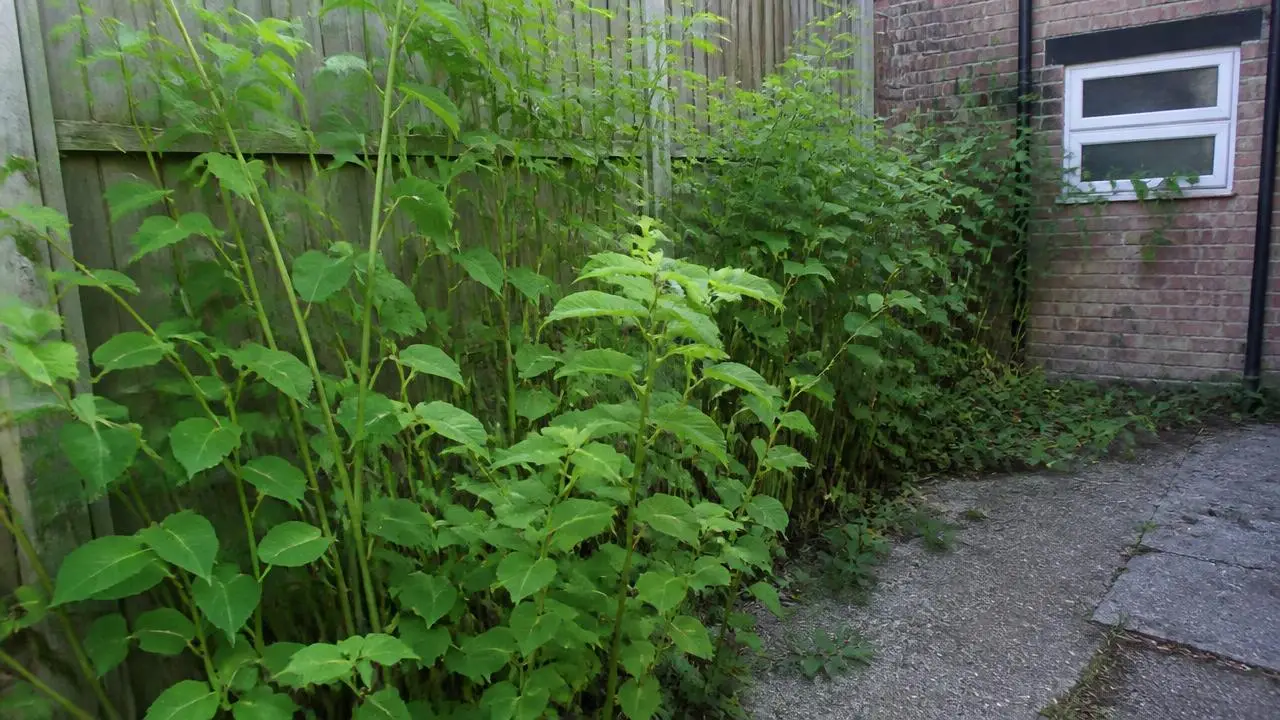 Selling a house with Japanese knotweedDisclosure rules, RICS categories and treatment plan timescales.
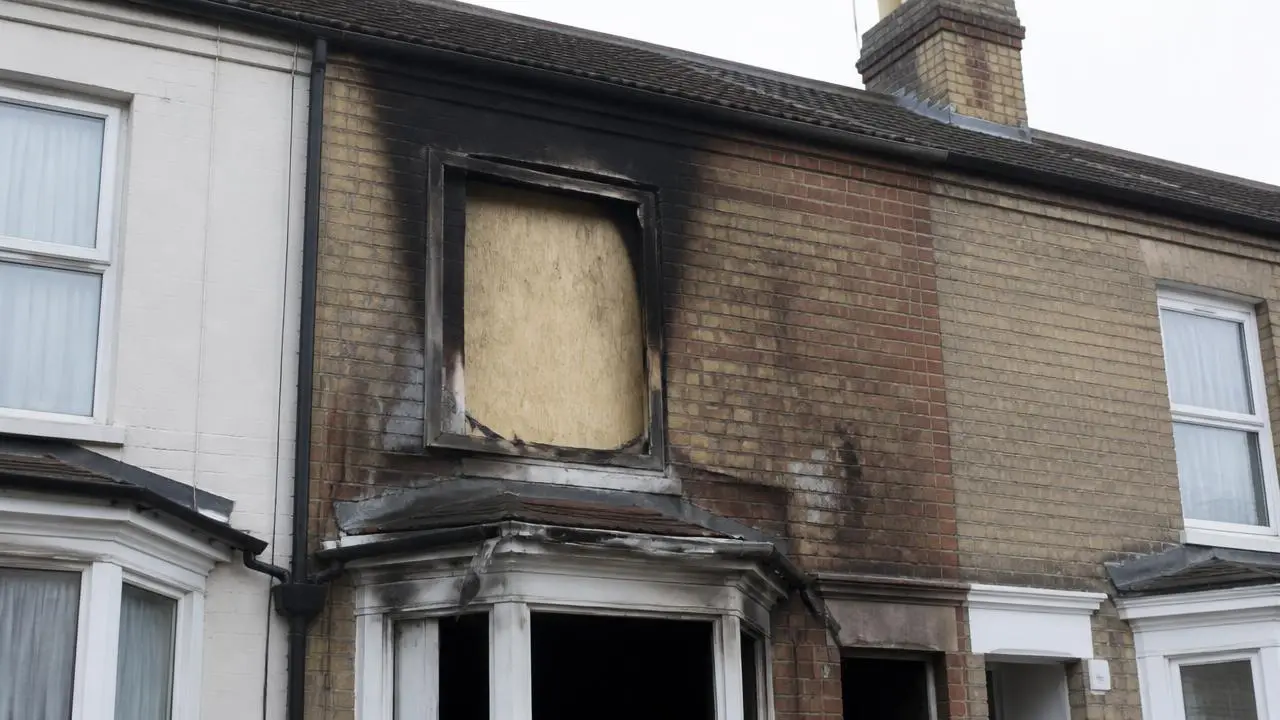 Selling a fire damaged houseInsurance claim options, surveys needed, and rebuild cost pricing.
 Selling an unmortgageable property: full guideCompare all three routes for selling a property lenders will not touch.