Selling a house with Japanese knotweed
You can sell a house with Japanese knotweed, but you must disclose it on the TA6 form and most buyers will want a treatment plan with an insurance-backed guarantee in place. Herbicide treatment takes 2 to 3 growing seasons to be confident of eradication, so a cash sale or a sale with an agreed treatment plan are the two realistic ways to move quickly.
Been turned down by a lender's surveyor?
We buy with our own cash, so a mortgage valuation can't sink the sale. Send us the postcode and the problem.
How do you identify Japanese knotweed?
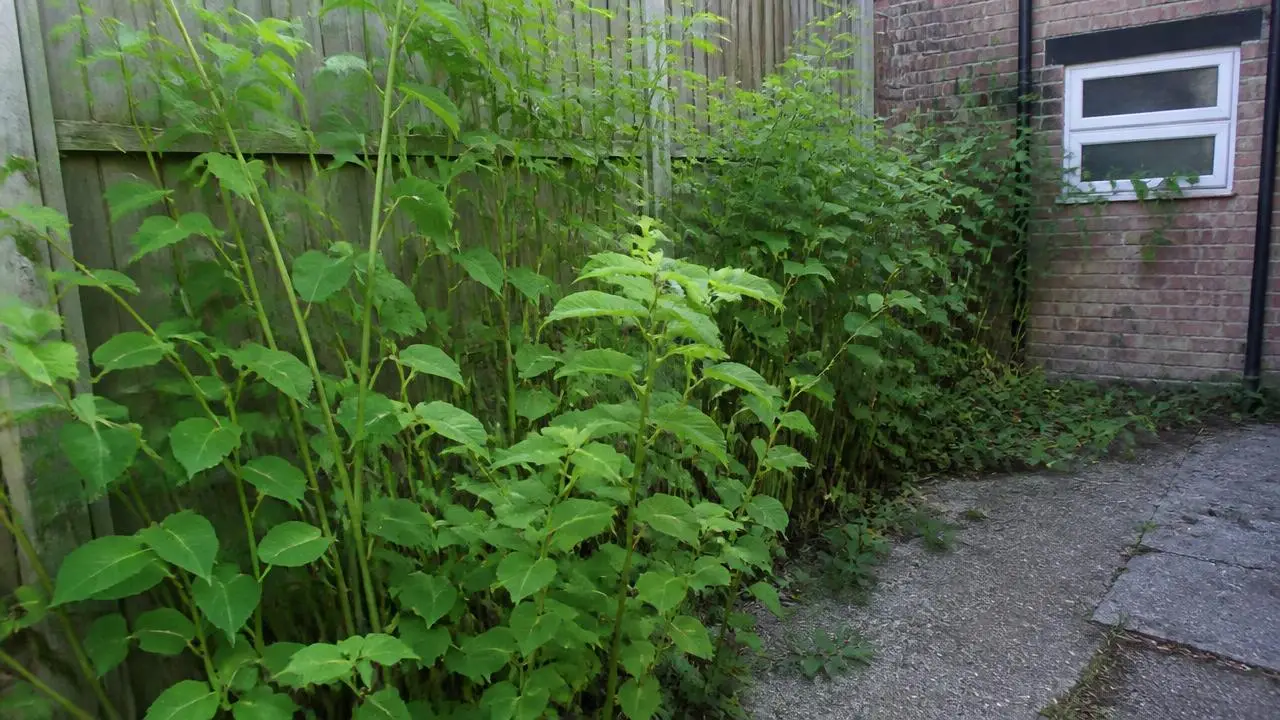
Japanese knotweed has hollow, bamboo-like stems with distinctive purple speckles, and shield or heart-shaped green leaves that grow in a zigzag pattern alternating along each stem. In late summer it produces small clusters of cream-white flowers. It dies back to brown canes over winter and regrows quickly from the same root system, or rhizome, each spring, often reaching over two metres in a single growing season.
The TA6 disclosure question
The TA6 property information form used in every residential sale in England and Wales asks whether the property is, or has been, affected by Japanese knotweed, and if so, whether a management or treatment plan is in place. Answering this incorrectly, deliberately or otherwise, can lead to a claim from the buyer after completion, so it needs an honest answer even where it complicates the sale.
RICS categories
RICS provides guidance for surveyors on how close knotweed is and how much of a risk it poses, broadly ranging from knotweed visible only in a neighbouring property with no encroachment, through to knotweed growing within the boundary or close to a building's structure. Surveyors use this to decide whether to recommend a mortgage lender proceeds, proceeds subject to treatment, or declines.
Treatment plans and insurance-backed guarantees
A treatment plan from a qualified contractor sets out how the knotweed will be eradicated and monitored. An insurance-backed guarantee, sold alongside many treatment plans, protects the buyer if the knotweed returns after treatment, and is what most lenders look for before agreeing to lend on an affected property. Without a guarantee, even a treated property can still cause hesitation.
Herbicide treatment versus excavation
| Herbicide treatment | Excavation and removal | |
|---|---|---|
| Timescale | 2 to 3 growing seasons, roughly 2 to 3 years | Days to a few weeks |
| Disruption | Low, periodic spraying visits | High, groundworks and soil removal |
| Cost | Generally lower | Generally higher, especially for large infestations |
| Suitability | Where there is time before selling | Where a fast resolution is needed before sale or building work |
How do lenders treat knotweed on valuation?
Attitudes vary by lender and by how close the knotweed is to the property. Many mainstream lenders will proceed once a treatment plan with an insurance-backed guarantee is confirmed, even if eradication is not yet complete. Untreated knotweed close to the building, or growing through a structure, is more likely to see a decline or a retention until it is dealt with.
Selling now versus waiting for treatment
If you have 2 to 3 years and want the widest buyer pool, starting a herbicide programme with a guarantee in place keeps the mortgage market open. If you need to sell sooner, excavation clears the issue faster at a higher cost, or a cash buyer will take the property with the knotweed still present, pricing the offer to reflect the treatment cost they are taking on.
Common questions
- Can I sell a house with Japanese knotweed?
- Yes. You must disclose it on the TA6 form, and most buyers and lenders will want a treatment plan in place, ideally backed by an insurance-backed guarantee. Some cash buyers and investors will buy without waiting for treatment to finish.
- How do I identify Japanese knotweed?
- It has bamboo-like hollow stems, shield or heart-shaped leaves arranged in a zigzag pattern along the stem, and in summer clusters of small cream flowers. It dies back in winter, leaving brown canes, and regrows vigorously from the same root system each spring.
- What does the TA6 form ask about knotweed?
- It asks whether the property is affected by Japanese knotweed, whether it has been treated, and whether there is a management or treatment plan and any insurance-backed guarantee in place. Answering inaccurately can expose you to a claim from the buyer later.
- What are the RICS knotweed categories?
- RICS guidance grades knotweed by proximity and severity, from knotweed found only in a neighbouring garden with no encroachment, through to knotweed growing within or very close to the property's structure. The closer and more established it is, the more caution a lender applies.
- How long does knotweed treatment take?
- Herbicide treatment programmes typically run for 2 to 3 growing seasons, so 2 to 3 years, to be confident of eradication. Excavation and removal of the affected soil is faster, often completed within days to weeks, but is more disruptive and expensive.
- Will a mortgage lender accept a house with knotweed?
- It depends on the RICS category, the distance from the property, and whether a treatment plan with an insurance-backed guarantee is in place. Many lenders will proceed once a guarantee is confirmed, but will decline or apply a retention where knotweed is untreated and close to the building.
Sources
Been turned down by a lender's surveyor?
We buy with our own cash, so a mortgage valuation can't sink the sale. Send us the postcode and the problem.
Related guides
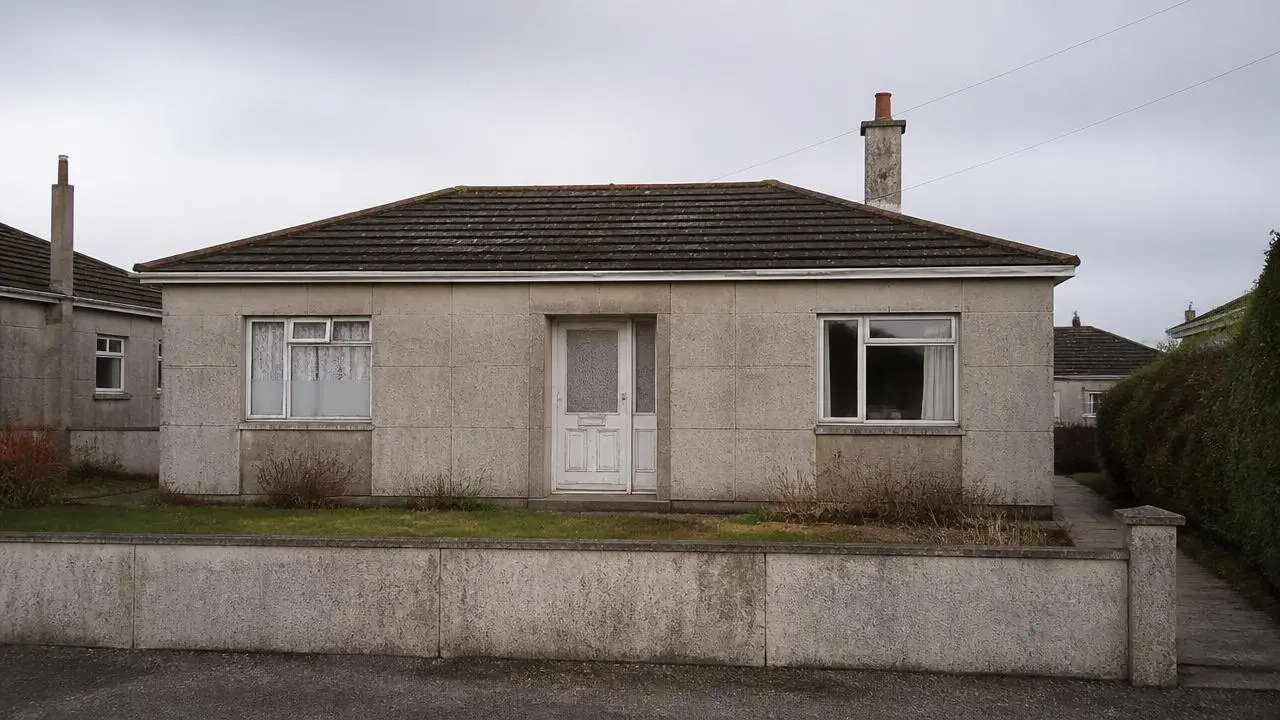 Non-standard construction houses and mortgagesWhich construction types lenders accept and which need certification.
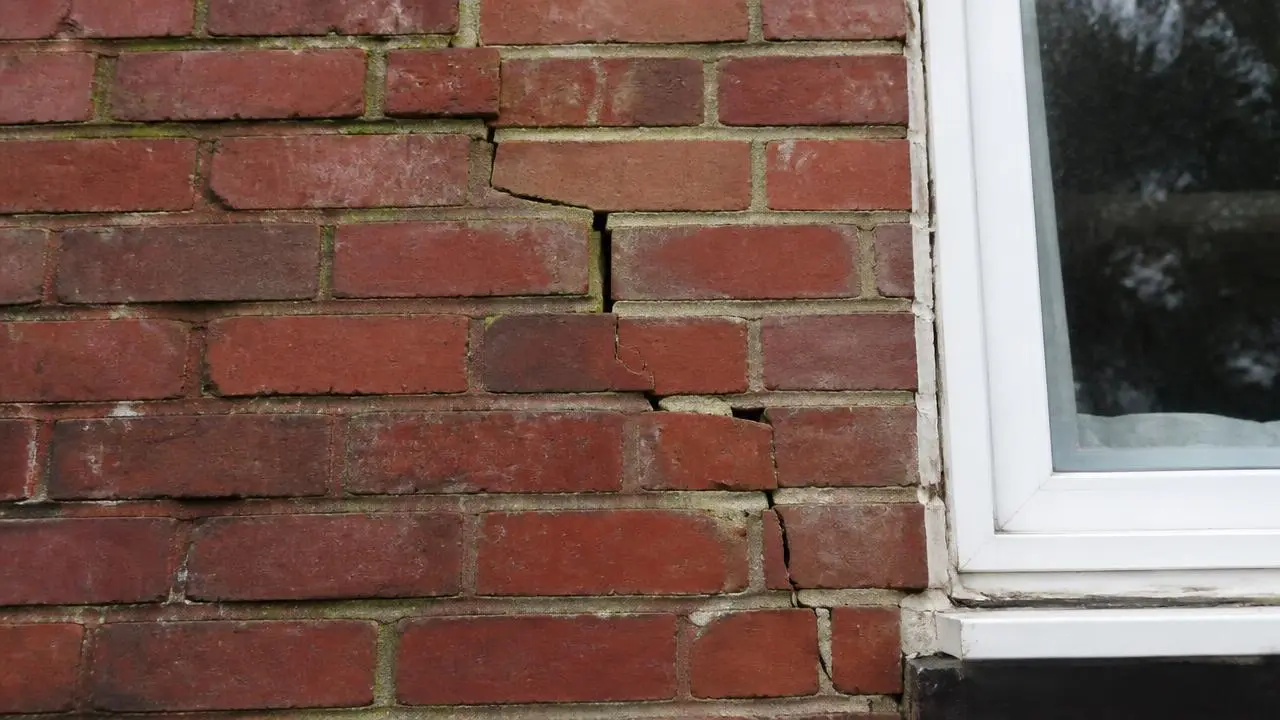 Selling a house with subsidenceSigns, causes, monitoring periods and how to sell before or after repair.
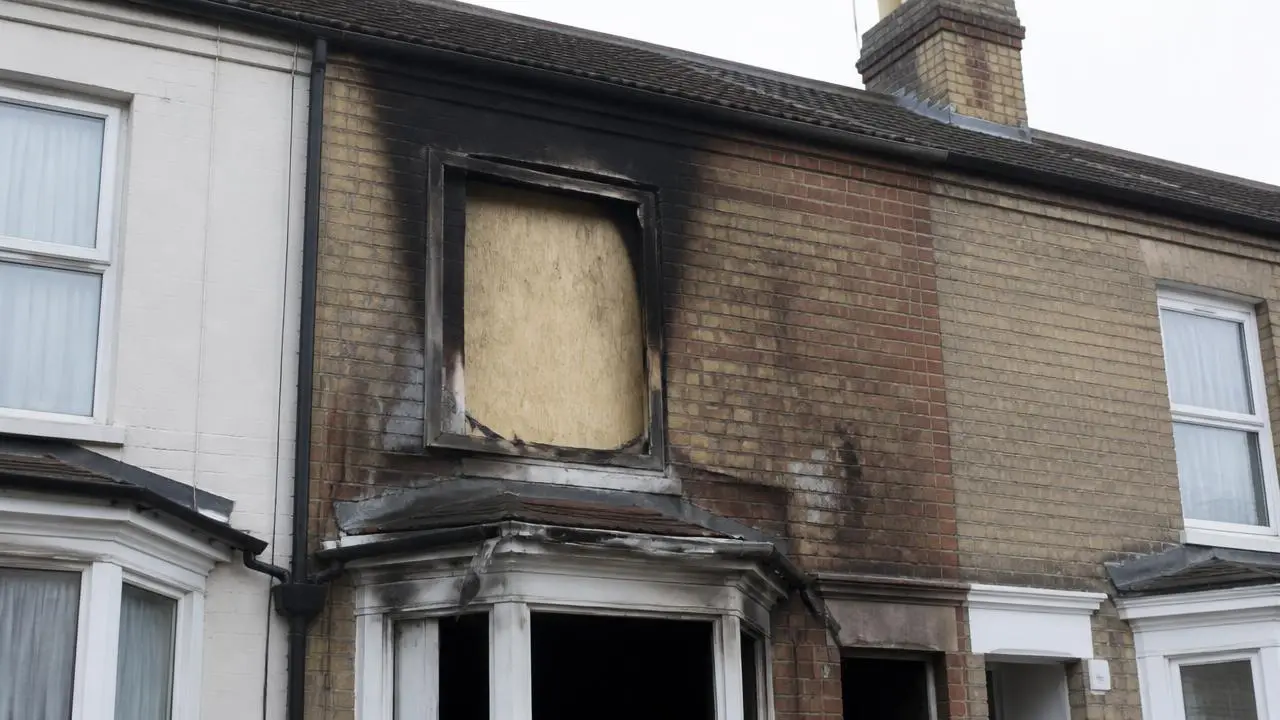 Selling a fire damaged houseInsurance claim options, surveys needed, and rebuild cost pricing.
 Selling an unmortgageable property: full guideCompare all three routes for selling a property lenders will not touch.