Can you sell a house with subsidence?
Yes. You can sell on the open market once movement has been monitored, stabilised, and repaired or underpinned if needed, which can take a year or more, or sell now to a cash buyer or at auction without waiting. Disclosure on the TA6 form is required either way, and insurance history follows the property.
Been turned down by a lender's surveyor?
We buy with our own cash, so a mortgage valuation can't sink the sale. Send us the postcode and the problem.
What are the signs of subsidence?
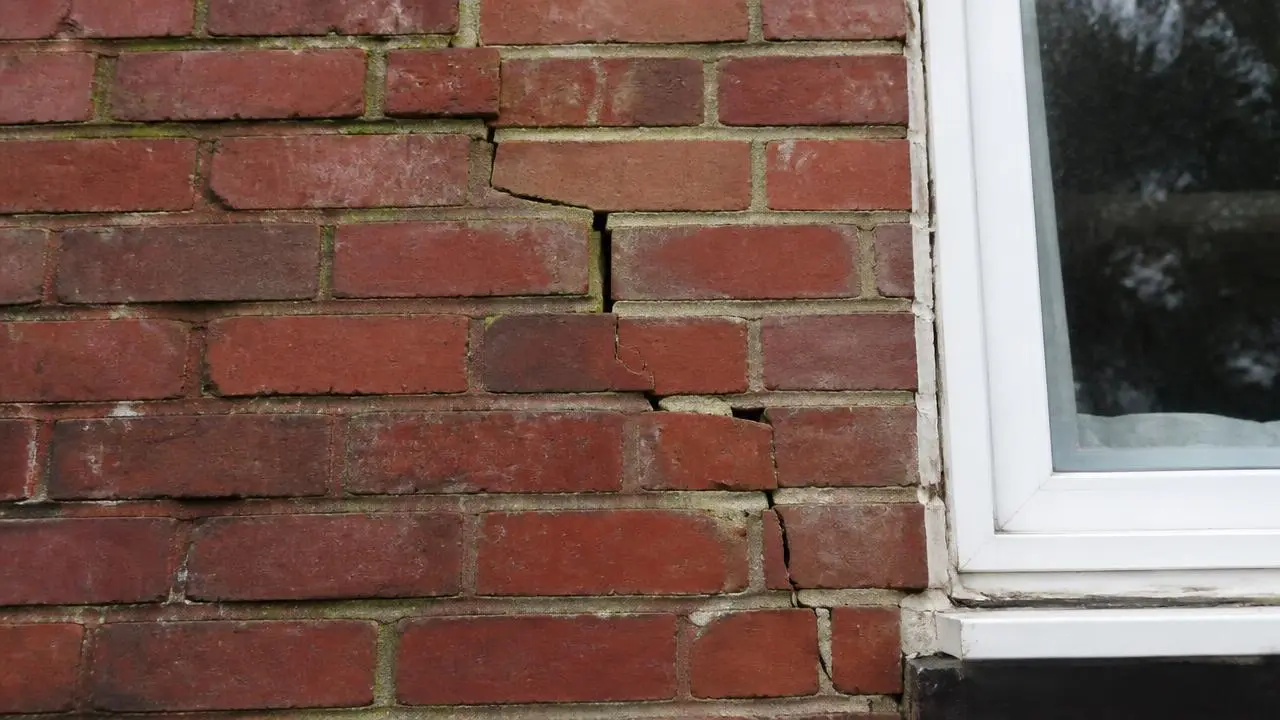
Look for diagonal cracks wider than about 3mm, often thicker at the top than the bottom, cracks that run through both brickwork and plaster, doors and windows that stick or no longer close properly, and cracking that appears specifically where an extension meets the original house. Small hairline cracks, especially vertical ones in fresh plaster, are usually cosmetic settlement rather than subsidence.
What causes subsidence?
- Clay soil. Clay shrinks in dry weather and swells when wet, and this seasonal movement is the most common cause of subsidence in the UK.
- Trees and large shrubs. Roots draw moisture from the soil near foundations, particularly in clay ground, and can pull moisture from further away than most people expect.
- Leaking drains. A leaking or broken drain run can wash away or soften the ground under foundations over time.
How does the monitoring and underpinning process work?
Once subsidence is suspected, a structural engineer or loss adjuster usually arranges monitoring, which typically runs for 12 to 24 months to establish whether movement is ongoing or has stabilised. If it is confirmed as ongoing and serious, underpinning, extending the foundations deeper to more stable ground, is the usual permanent fix, alongside removing or managing any contributing trees. Until monitoring is complete and any recommended works are finished, most mainstream lenders will not offer a mortgage on the property.
Insurance claim history and continuity of cover
A subsidence claim stays linked to the property's insurance history, not just the current owner. Buyers and their insurers will ask about it, and premiums or excesses can be higher on a property with a past claim. Staying with the insurer who handled the original claim, known as continuity of cover, often helps keep future terms more reasonable than switching to a new insurer with no history of the property.
What do you have to disclose when selling?
The TA6 property information form asks directly whether the property has suffered from subsidence, whether a claim was made, and whether repair works were carried out and guaranteed. This applies whether the issue was resolved years ago or is still being monitored. Selling without disclosing known subsidence history can lead to a legal claim from the buyer after completion.
How does subsidence affect the sale route you choose?
| Wait, monitor and repair, then sell on the open market | Sell now to a cash buyer or at auction | |
|---|---|---|
| Timescale | 12 months or more before marketing | 7 days to 8 weeks depending on route |
| Cost to you | Full underpinning or repair cost, often significant | None, sold as-is |
| Price outcome | Closer to unaffected market value once resolved | Reflects the condition and risk taken on by the buyer |
| Buyer pool | Standard mortgaged buyers, once resolved | Cash buyers, investors, auction bidders |
If the movement is historic, monitored, and already underpinned with an insurance-backed guarantee, some lenders will consider a mortgage, which reopens the standard market. If it is active or unresolved, a cash sale or auction removes the wait.
Common questions
- Can you sell a house with subsidence?
- Yes. You can sell on the open market once movement has stopped and been monitored, with underpinning if needed and insurance history disclosed, or sell to a cash buyer or at auction without waiting for that process to finish.
- What are the signs of subsidence?
- Diagonal cracks wider than a coin, thicker at the top, doors and windows that stick, and cracks that appear where an extension joins the main house are common signs. Not all cracking is subsidence, cosmetic settlement cracks are common and much less serious.
- What causes subsidence?
- The most common causes in the UK are clay soil shrinking in dry weather, tree roots drawing moisture from the ground near foundations, and leaking drains softening the ground beneath a property.
- How long does subsidence monitoring take?
- Insurers and structural engineers typically monitor movement for 12 to 24 months to confirm it has stabilised before agreeing any repair or underpinning works, and before that monitoring period is up a mortgage lender is unlikely to lend.
- Do I have to disclose subsidence when selling?
- Yes. The TA6 form asks directly whether the property has been affected by subsidence, and whether there is a current insurance claim or a completed repair. Non-disclosure risks a legal claim from the buyer after completion.
- Will subsidence affect my ability to get buildings insurance?
- It can. Insurers ask about subsidence history, and a property with a past claim may see higher premiums or excesses, though continuity of cover from the insurer who managed the original claim often helps keep terms reasonable.
Sources
Been turned down by a lender's surveyor?
We buy with our own cash, so a mortgage valuation can't sink the sale. Send us the postcode and the problem.
Related guides
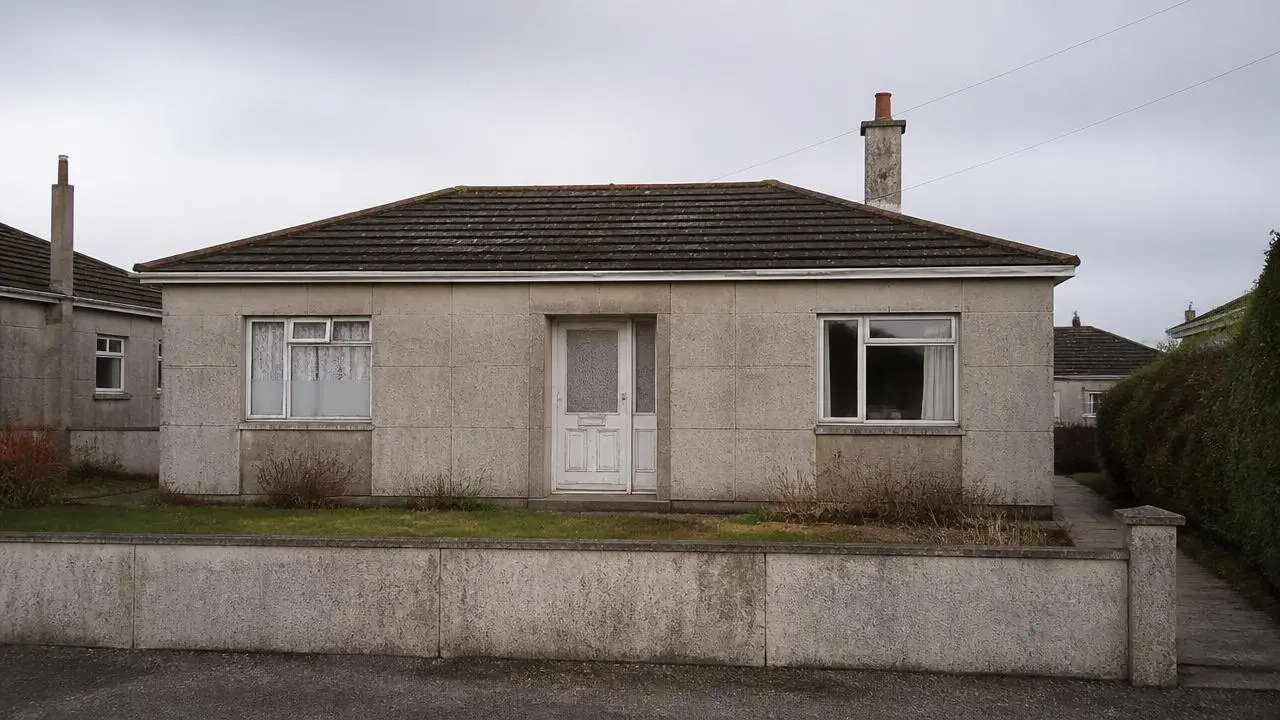 Non-standard construction houses and mortgagesWhich construction types lenders accept and which need certification.
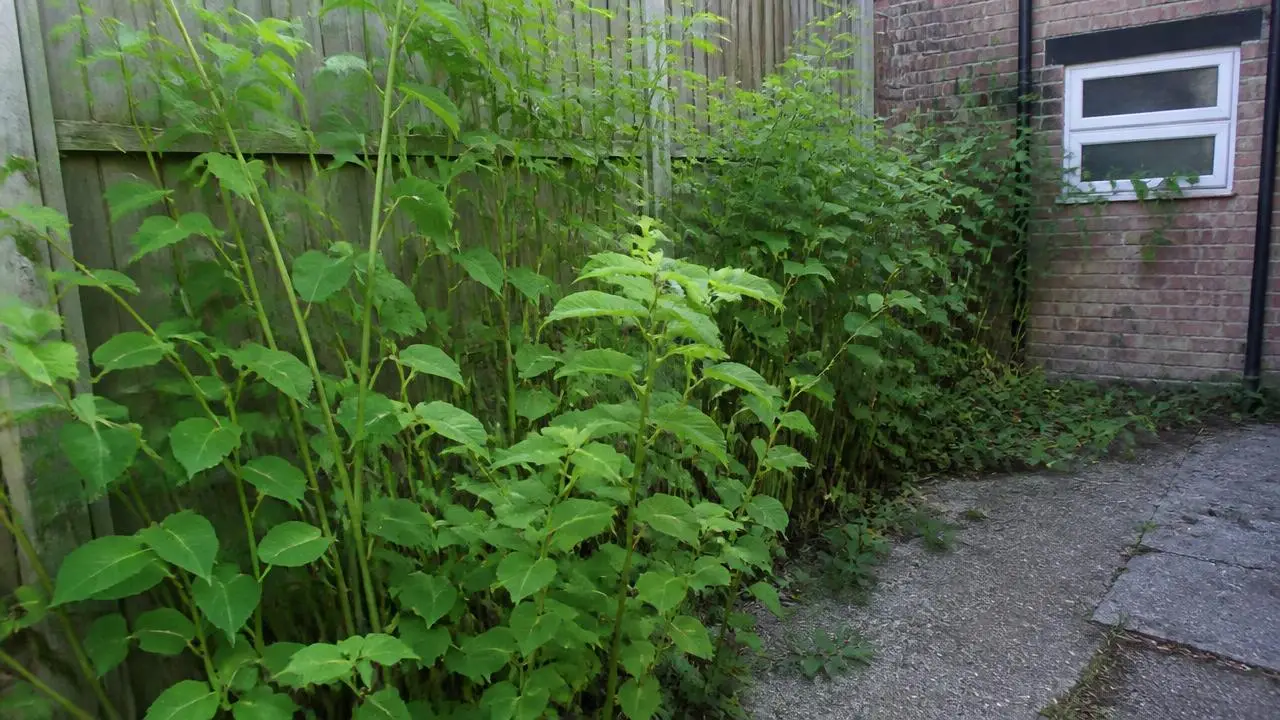 Selling a house with Japanese knotweedDisclosure rules, RICS categories and treatment plan timescales.
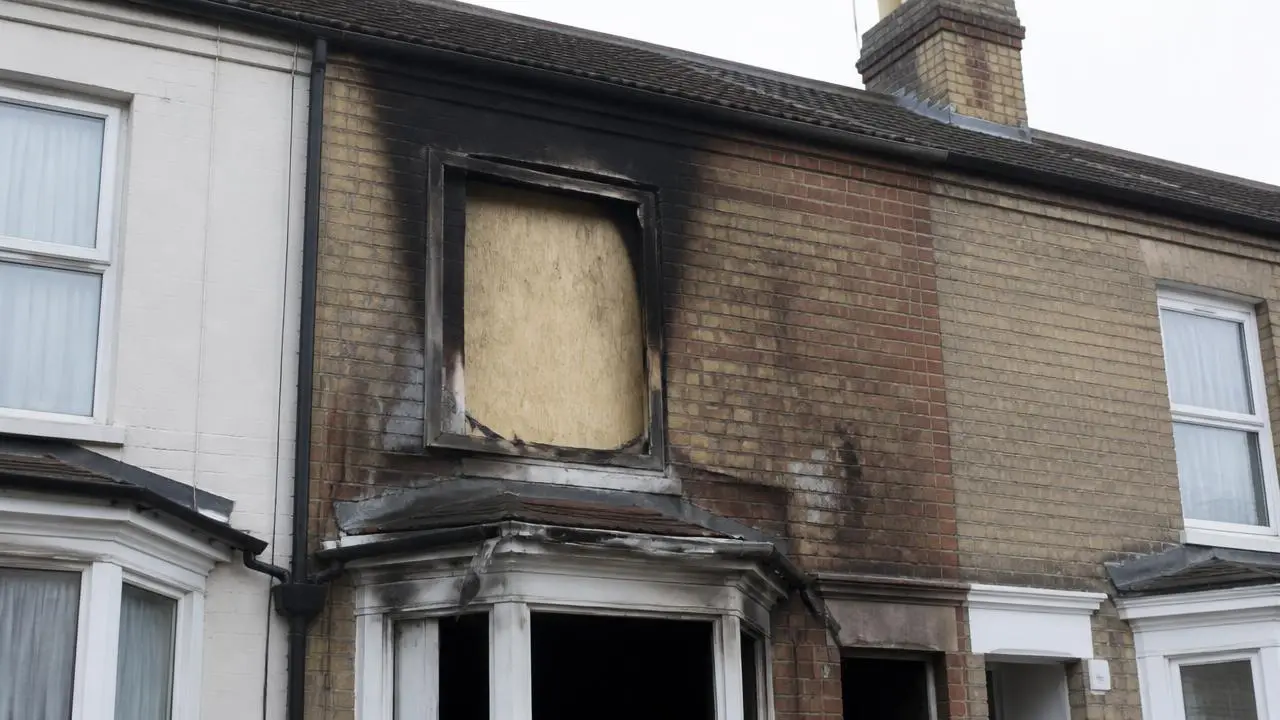 Selling a fire damaged houseInsurance claim options, surveys needed, and rebuild cost pricing.
 Selling an unmortgageable property: full guideCompare all three routes for selling a property lenders will not touch.