EWS1 form and cladding: selling a flat
An EWS1 form is a signed record of whether a block's external walls meet the standard mortgage lenders expect. Your freeholder or managing agent has to obtain it, not you. Ratings A1, A2 and B1 mean no work is needed and a mortgage is usually available. A3 and B2 mean remediation is outstanding, which is where sales collapse, and where a cash sale becomes the only route that does not depend on the building being fixed first.
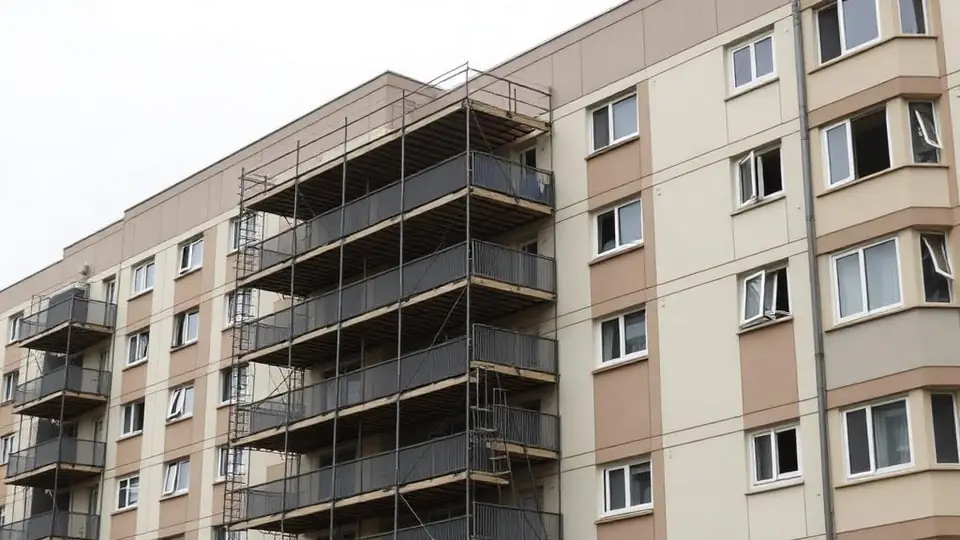
Been turned down by a lender's surveyor?
We buy with our own cash, so a mortgage valuation can't sink the sale. Send us the postcode and the problem.
Why cladding stops a flat sale
After Grenfell, lenders needed a way to know whether a block's external walls posed a fire risk before advancing money against a flat inside it. The EWS1 form was the industry's answer, agreed in December 2019 between RICS, UK Finance and the Building Societies Association. The effect on sellers was immediate and blunt: valuers began asking for a form that, in most buildings, nobody had yet commissioned. Sales that had been agreed for weeks stopped dead at the valuation stage.
The important thing to understand is that the block is being assessed, not your flat. You can have a perfect lease, no arrears, an immaculate interior, and still be unable to sell to a mortgaged buyer because of a wall you share with forty other households.
What do the EWS1 ratings mean?
An EWS1 form is a single page. The assessor puts the building in one of two categories, A or B, depending on whether the external wall materials are combustible, then gives an outcome.
| Rating | What it means | Typical lending outcome |
|---|---|---|
| A1 | Materials are unlikely to support combustion | Mortgageable |
| A2 | Materials present, but risk is low and no work needed | Mortgageable |
| A3 | Materials present and remedial work is required | Usually declined until work is done |
| B1 | Combustible materials, but fire risk is sufficiently low | Mortgageable |
| B2 | Combustible materials and remedial work is required | Usually declined until work is done |
B1 is the outcome most sellers are hoping for in a block with any combustible material present. B2 is the one that stalls things, because it confirms in writing that the building needs work.
Do you still need an EWS1 form?
Less often than in 2020. RICS updated its valuation guidance in 2022, and the general position is that buildings under 18 metres should not routinely need an EWS1 form, with lenders relying on other evidence where it exists. Several major lenders have also confirmed they will lend on buildings with outstanding remediation where a recognised government or developer scheme is in place.
In practice it still comes down to two things: what your specific lender's policy says, and what paperwork the freeholder can produce. Where a valuer asks and the managing agent has nothing to give, the outcome is the same as it was five years ago.
Who has to obtain the form, and how long it takes
The building owner, freeholder or managing agent commissions it, because the assessment covers the whole external wall system. As an individual leaseholder you cannot validly commission one for your own flat. Requesting it in writing from the managing agent, and keeping a record of the reply, is usually the most useful thing you can do.
Timescales vary with the building. A straightforward desktop assessment on a simple block can be quick. Anything needing intrusive investigation of the wall build-up, or a queue behind other buildings in the same portfolio, commonly runs to several months. If the outcome is A3 or B2, actual remediation is measured in years, not months.
Who pays for cladding remediation?
The Building Safety Act 2022 introduced leaseholder protections that cap or remove certain remediation costs for qualifying leases in buildings over 11 metres, putting the cost on developers and building owners instead. Whether your lease qualifies depends on the building, the date, and how the flat was used, so this is a question for your solicitor rather than an assumption to make.
Even where the protections apply, they do not fix the timing problem. You may be shielded from the bill and still unable to sell to a mortgaged buyer for the years it takes the programme to reach your building.
What are your options as a seller?
- Wait for the form or the works. Costs nothing, but you are tied to a timetable set by other people.
- Find a cash buyer on the open market. Possible, though the pool is small and the negotiation usually drags.
- Auction. Investors do bid on cladding-affected flats, but the price is unknown until the hammer falls and unsold lots are common.
- Sell to a cash buyer directly. No valuer, no EWS1 condition, and a completion date fixed in advance. The offer reflects the remediation and service charge risk being taken on.
Cladding or EWS1 problem
Flat held up by cladding or a missing EWS1?
We buy with our own funds, so a B2 rating or an unwritten EWS1 form doesn't stop the sale. Tell us the block and where the paperwork stands.
- No lender valuation, so no EWS1 requirement from our side
- We'll say yes or no on the block, usually the same working day
- Works whether remediation is funded, queued, or still unpriced
We ask for the address, your timescale, and a number to call. Nothing else.
How we price a cladding-affected flat
We look at the flat's value in a remediated block, then at what the outstanding risk actually is: the EWS1 rating if one exists, the service charge history, any Section 20 consultation under way, and whether the building sits inside a funded remediation scheme. Because we buy without a mortgage, the missing form is not a barrier to our purchase in the way it is to a normal buyer. We say the number and the reasoning out loud so you can weigh it against waiting.
Common questions
- What is an EWS1 form?
- EWS1 stands for External Wall System 1. It is a one-page record, signed by a suitably qualified professional, setting out whether a block's external walls and balconies meet the standard lenders expect. It was introduced in December 2019 by RICS, UK Finance and the Building Societies Association so that valuers had something consistent to work from. It is a lending document, not a safety certificate.
- Do I need an EWS1 form to sell my flat?
- Only if a lender asks for one, and that depends on the building rather than your flat. Since the 2022 RICS valuation guidance, blocks under 18 metres usually do not need one, and lenders have widened what they accept. If your buyer needs a mortgage and the valuer requests an EWS1 that does not exist, the sale stalls until the building owner provides one.
- Who is responsible for getting the EWS1 form?
- The building owner, freeholder or managing agent, because the assessment covers the whole external wall system rather than an individual flat. As a leaseholder you cannot commission a valid one for your own flat, which is the part most sellers find hardest: the document you need is not yours to obtain.
- What do the EWS1 ratings mean?
- There are five outcomes. A1, A2 and B1 mean no remedial work is required to the external walls. A3 and B2 mean work is needed. B2 is the rating that most often stops a mortgage, because it confirms remediation is outstanding.
- How long does an EWS1 assessment take?
- Waits have shortened considerably since the 2020 backlog, but a building still needs a qualified assessor, access, and often intrusive investigation of the wall build-up. Several months from instruction to signed form is common, and remediation afterwards can run for years.
- Can I sell a flat with a B2 rating or unsafe cladding?
- Yes, to a cash buyer. Without mortgage finance in the chain there is no valuer to satisfy and no EWS1 condition to meet. The offer will reflect the outstanding remediation risk and any service charge exposure, so it will sit below what the same flat would fetch in a remediated block.
- Does the Building Safety Act protect me from remediation bills?
- In many cases it limits what leaseholders can be charged. The Building Safety Act 2022 introduced leaseholder protections capping or removing certain remediation costs for qualifying leases in buildings over 11 metres, with developers and freeholders expected to fund the work. Whether your lease qualifies depends on the building height, the date, and whether it was your principal home, so your solicitor should check the position rather than assume it.
Sources
Been turned down by a lender's surveyor?
We buy with our own cash, so a mortgage valuation can't sink the sale. Send us the postcode and the problem.
Related guides
 Selling a flat with a short leaseWhy leases under 80 years hit lending, and what extending costs.
 Ground rent and peppercorn rent explainedDoubling ground rent clauses, deeds of covenant, and the sales they stop.
 Selling an unmortgageable property: full guideCompare all three routes for a property lenders will not touch.
 Sell house fast in LondonWhere cladding-affected blocks and short leases are most common.
 Sell house fast in ManchesterCity-centre leasehold apartments and remediation programmes.
 Auction as an alternativeHow a cladding-affected flat tends to perform in an auction room.