How to sell an unsellable house
Houses stall for five reasons: the price, the presentation, the marketing, the chain, or a defect a lender will not accept. Only the last one is a property problem. Work out which of the five you have, because the fix for a pricing problem is free and the fix for a mortgage-blocking defect is a different type of buyer altogether.
Want a real number on your house?
Tell us the postcode and we'll come back with a price we can complete on. No fee, no obligation, no agent visits.
Start with the symptom, not the theory
Before changing anything, look at what your listing is actually doing. The pattern of viewings, offers and fall-throughs narrows the cause faster than any general advice about kerb appeal.
| What you are seeing | Most likely cause | First move |
|---|---|---|
| Very few viewings after four weeks | Price sits above the portal search bracket buyers use | Reduce into the bracket below, not by a token amount |
| Clicks but no viewings booked | Photography, floorplan or listing copy | Reshoot in daylight, add a floorplan, rewrite the first two lines |
| Viewings but no offers | Condition, layout, smell, noise, or something obvious on arrival | Ask the agent for unedited viewing feedback and act on the repeated point |
| Offers that keep collapsing after survey | A defect, a title or lease issue, or a lender declining | Get the survey finding and the lease or title checked before relisting |
| Sale collapses above you every time | Chain risk rather than your property | Look for a chain-free buyer or a buyer who does not need to sell |
1. Price is wrong for the bracket, not just wrong
Buyers search in bands. A house at £315,000 is invisible to everyone filtering up to £300,000, so shaving £5,000 changes nothing. Reductions work when they cross a search boundary. Check what comparable properties actually sold for using Land Registry sold prices rather than asking prices, because asking prices in a slow market tell you what did not sell.
2. Presentation is losing you the offer at the door
- Light. Every bulb working, every curtain open, viewings booked for the brightest part of the day.
- Volume of stuff. Clear surfaces read as bigger rooms. Move things out rather than tidying them into corners.
- Smell. Damp, pets and smoke end sales silently. Nobody tells the agent the real reason.
- Unfinished work. A part-done bathroom reads as risk. Either finish it or present the house honestly as a project.
- The first ten seconds. Front door, hallway, and the view from it. That is where the offer is decided.
3. Marketing is not reaching the right buyer
A renovation project marketed to families will sit. The same property listed with a clear project framing, priced on end value minus works, and pushed at investors and builders often moves in weeks. Ask your agent who they have on their list for this type of property. If the answer is vague, the property is being marketed to the wrong audience rather than being unsellable.
4. The chain, not the house
If you have lost two or three buyers to circumstances above you, nothing about your property needs fixing. What you need is a buyer with no chain, no mortgage dependency and no sale of their own to complete first. That is a smaller pool, and it prices accordingly.
5. When it is not cosmetic: defects lenders reject
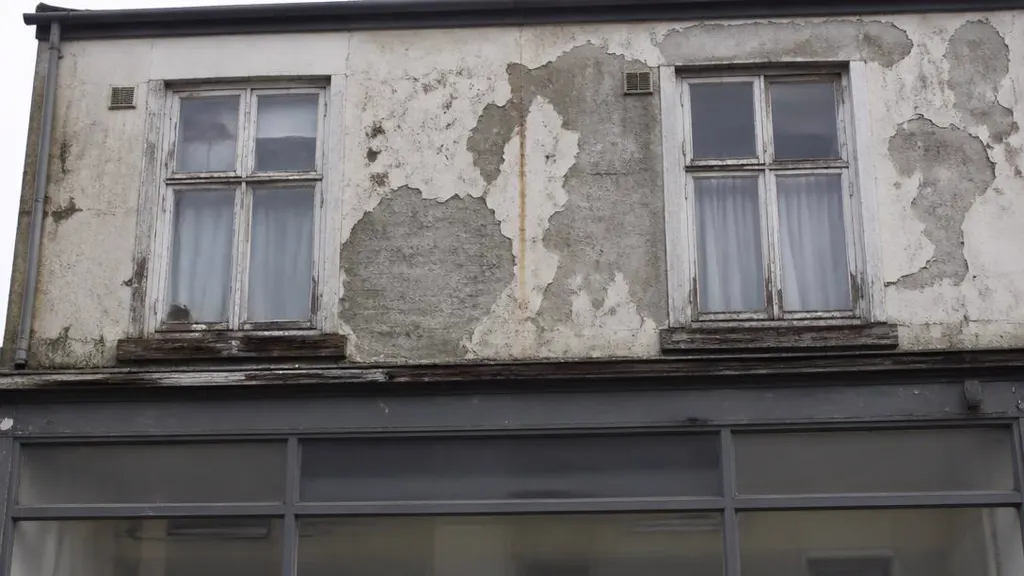
This is the genuinely different category. If a lender will not lend on the property, roughly three quarters of the buying market cannot buy it at any price, regardless of how well you present it. Common blockers, each covered in its own guide:
- A lease under about 70 to 80 years
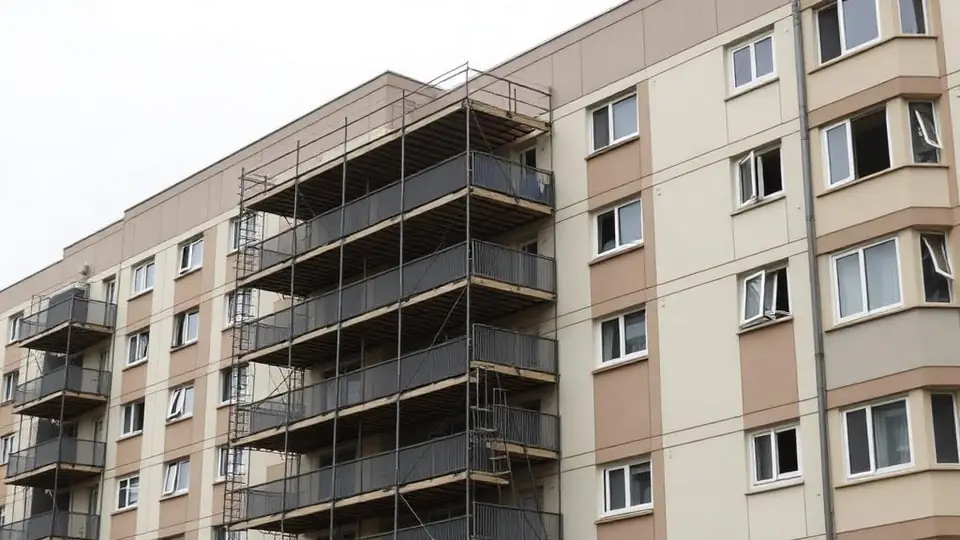
- Cladding, or a missing or B2-rated EWS1 form
- Doubling or escalating ground rent and onerous lease clauses
- Subsidence, movement, or structural cracking
- Japanese knotweed within influencing distance
- Non-standard construction, including concrete and steel-framed homes
- Fire or flood damage, and properties without a habitable kitchen or bathroom
If one of those describes your property, the presentation advice above is beside the point. Read the unmortgageable property guide instead, which compares extending or remediating first, going to auction, and selling to a cash buyer.
Comparing the three routes out
| Route | Typical price achieved | Typical timescale | Certainty |
|---|---|---|---|
| Fix the problem, then relist | Close to full market value | 3 to 12 months plus works | Low until the work is signed off |
| Auction with a reserve | Below market, unpredictable above reserve | 6 to 10 weeks | High once the hammer falls |
| Funded cash buyer | Below market, fixed and known upfront | 2 to 4 weeks | High from the point the price is agreed |
The honest comparison is not speed against price. It is certainty against price. Fixing and relisting can get you the most money and gives you the least control over when, or whether, it happens. We are the other end of that trade, and we say so plainly on how we work out our offer.
When to stop trying to sell it on the open market
A reasonable stopping point: you have had two accurate price reductions, fresh photography, and at least one sale collapse after survey, and you still have no buyer after six months. At that point further time on the market has a cost of its own, in mortgage payments, insurance, council tax and the risk of an empty property deteriorating. That is the moment to compare the auction and cash routes properly rather than reducing again.
How often is price the real blocker?
Price reductions are not unusual, they are the norm. If your listing has not been reduced yet, the pricing explanation above is the first one to test.
- Listings that cut their price
- 26%
- Average price cut
- £17,477
- Typical time on the market
- 125 days
- Median asking price
- £289,956
Average cut of £17k
Taken off the original asking price to find a buyer
Before a sale is even agreed, let alone completed
Median across 113 postcode areas
Source: Outra listings data, Jul 2026, median of 113 UK postcode areas. Asking prices, not sold prices. Last refreshed 6 August 2026. Our side of the trade is set out in how we work out our offer.
Common questions
- Is any house really unsellable?
- Very few. Almost every property sells at some price to some type of buyer. When people say unsellable they usually mean it will not sell at the price they were quoted, to the type of buyer their agent is marketing to. Those are two different problems and they have different fixes.
- How long is too long on the market?
- In most of England and Wales an accurately priced home with normal condition gets offers within the first four to six weeks. If you are past twelve weeks with few viewings, the issue is almost always price or presentation. If you are getting viewings but no offers, it is usually condition or something a buyer discovers on the day.
- Why do my sales keep falling through?
- Repeat fall-throughs point at something found after acceptance rather than something visible at viewing. The usual causes are a survey finding, a lender declining the property, a title or lease defect, a chain collapsing above you, or a buyer who could not actually fund the purchase. The pattern tells you which.
- Should I reduce the price or change agent?
- Check the evidence first. If viewings are low, the price is wrong for the portal search brackets you sit in and a reduction will move you. If viewings are healthy but offers are not, the price is roughly right and the problem is what people see when they arrive. Changing agent only helps when the marketing itself is weak.
- Will an auction sell an unsellable house?
- Auction reliably sells problem property because the buyers are cash and trade, and the contract binds on the fall of the hammer. What it does not give you is certainty of price. You set a reserve, then accept whatever the room delivers above it, plus fees, plus a marketing period.
- Do cash buyers buy houses no one else will?
- A funded cash buyer does not need a mortgage valuation, so lender objections stop mattering: short lease, cladding, subsidence, knotweed, non-standard construction, fire damage. The trade is price. You accept a discount to market value in exchange for a fixed figure and a date you choose.
- Can I sell a house that needs total renovation?
- Yes, and you usually should sell it as it stands rather than part-finish the work. Renovation buyers price on the end value minus their cost and margin, so a half-done project can be worth less to them than an untouched one. Present it as a project, price it as a project, and market it where investors look.
Sources
Want a real number on your house?
Tell us the postcode and we'll come back with a price we can complete on. No fee, no obligation, no agent visits.
Related guides
 Selling an unmortgageable propertyWhen a lender is the blocker, start here.
 Cash house buyers explainedHow to check a buyer can actually complete.
 How we work out our offerThe numbers behind a below-market figure.
 Selling a flat with a short leaseThe most common lease-based fall-through.
 EWS1 form and claddingBuilding-level problems that freeze flat sales.
- All guidesEvery guide on the site, grouped by situation.