Selling an inherited house
You can sell an inherited house once grant of probate is issued and the executors agree. You may owe capital gains tax on any rise in value since the date of death, not on the full price. We buy inherited properties as-is, contents included, so there's no clearance to arrange before completion.
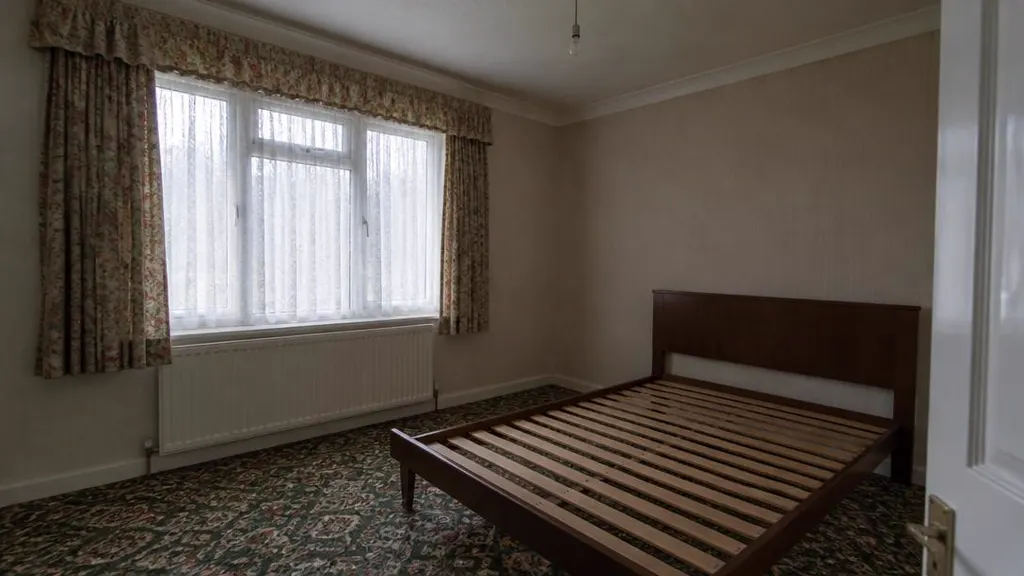
Need the estate settled without a long sale?
We buy probate properties as they are, contents left in place, and we'll work to the date the executors need.
Do all beneficiaries need to agree to sell?
The people who have to agree in law are the executors named on the grant of probate, since they hold legal title and sign the contract. If there are several executors, they normally need to act unanimously. Beneficiaries who aren't executors don't have a legal veto, but in practice most families try to reach agreement before marketing starts, because a beneficiary who feels overlooked can delay things or raise a dispute. Where beneficiaries disagree, such as one wanting to keep the house and others wanting to sell, this is usually worked out within the family, sometimes with a solicitor's help, before instructing an agent or a buyer.
Do you pay capital gains tax on an inherited house?
You don't pay capital gains tax on the value of the property at the date of death, that value was already reflected in the estate's inheritance tax position. What can create a capital gains tax bill is any increase in value between the date of death and the date you sell. If the house sells for more than its probate valuation, the gain, after your annual exempt amount and any costs of sale, is potentially taxable. If it sells close to or below the probate value, there's often little or no gain to tax. Each beneficiary who inherits a share is generally assessed on their own share of any gain. This is a simplified outline, not tax advice, so speak to an accountant or HMRC if the numbers are significant.
Should you keep, sell, or let the property?
| Option | What it involves | Best suited to |
|---|---|---|
| Sell | One-off sale, proceeds split between beneficiaries after costs | Multiple beneficiaries, no one wants to live there, need for a clean split |
| Keep, one beneficiary stays | That person usually buys out the others' shares, often needing a mortgage | One beneficiary can afford to buy the others out and wants to live there |
| Let it out | Ongoing management, letting agent or DIY, rental income tax, upkeep and repairs | Beneficiaries willing to co-own long term and share management |
Letting sounds appealing as an income stream, but it means the property stays jointly owned, with all the maintenance, insurance, and tax reporting that involves, and beneficiaries usually need to agree on a letting agent, rent level, and how income is split. Selling avoids all of that by converting the house into cash that can be divided once and closed off.
What happens to the contents when you sell?
Many inherited houses still hold decades of belongings, furniture, and personal items, which can feel like a significant job to sort through before a sale. You don't have to clear the house first if you sell to us. We buy inherited properties as-is, with contents left in place, so you can take out anything of sentimental value and leave the rest, rather than arranging skips, house clearance firms, or storage.
How does the sale actually happen?
Once the grant of probate is issued and any executor agreement is confirmed, we arrange an independent survey and give you a written offer, typically 75 to 80% of the assessed market value, within 24 hours. That price is locked in writing once the survey is done. We can exchange and complete in as little as 7 days, or on a date that suits the beneficiaries, and we pay your legal fees.
Read next
Common questions
- Do I pay tax when selling an inherited house?
- You may owe capital gains tax on any increase in value between the date of death and the date you sell, not on the full sale price. The estate itself may also have owed inheritance tax, which is separate and usually settled before or during probate.
- Can I sell an inherited house if my siblings don't agree?
- All executors named on the grant must normally agree to a sale and sign the contract. If beneficiaries who aren't executors disagree, that's typically resolved between the family, sometimes with a solicitor, before marketing goes ahead.
- Is it better to sell, keep, or let an inherited house?
- It depends on your finances, whether beneficiaries want cash now, and whether anyone is willing to manage a rental. Selling gives a clean, one-off split of proceeds; letting brings ongoing management and tax; keeping one person in the house usually means buying out the others.
- Do I need to clear the house before selling an inherited property?
- No. You can sell an inherited house with all contents left inside. We buy inherited properties as-is, with belongings still in place, so you don't need to arrange a clearance first.
- How soon after inheriting can I sell the house?
- You can sell as soon as grant of probate is issued and the property is legally in the executors' or your name, typically 3 to 6 months after death for a straightforward estate. You can market it earlier, but completion has to wait for the grant.
Need the estate settled without a long sale?
We buy probate properties as they are, contents left in place, and we'll work to the date the executors need.
Related guides
- UK house price dataAsking prices and time on market for every postcode area.
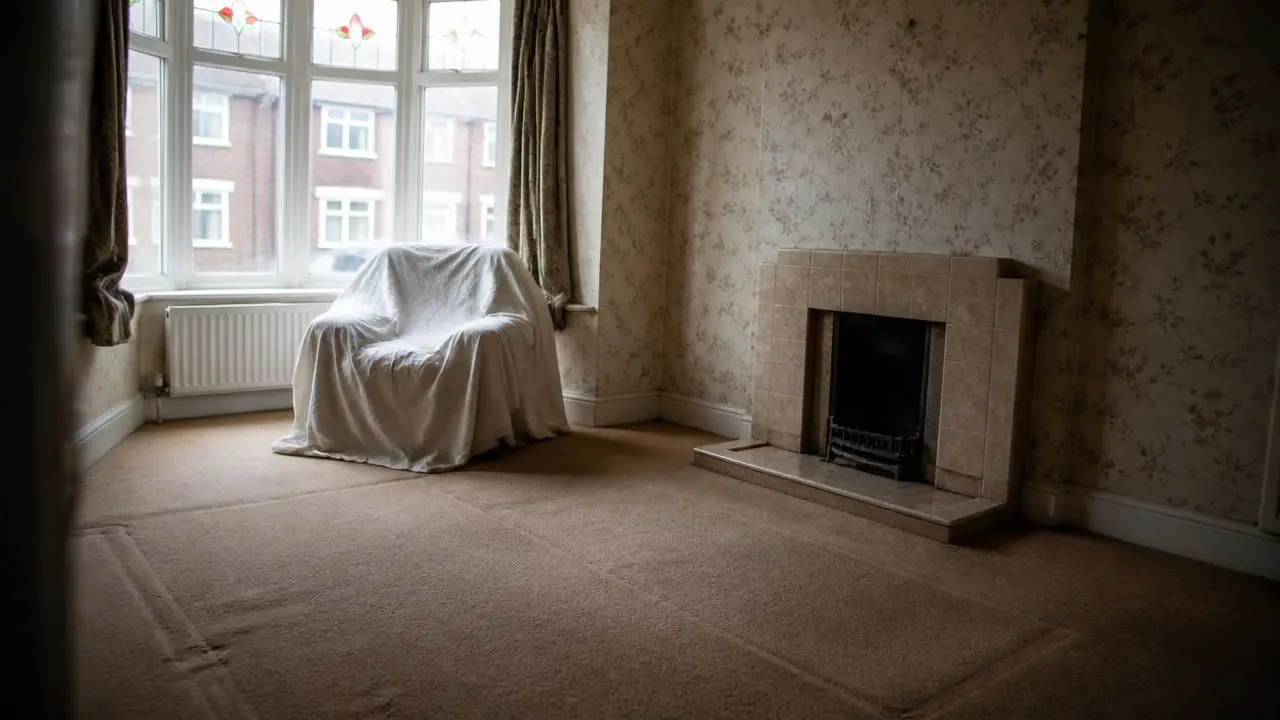 Probate hubExecutor's guide to selling a probate property: timeline, valuation, insurance risk, and how to sell fast, as-is, with contents left in place.
 House valuation for probateDo you need an official valuation for probate? HMRC rules on open market value, RICS red book valuations, and undervaluation risk explained.
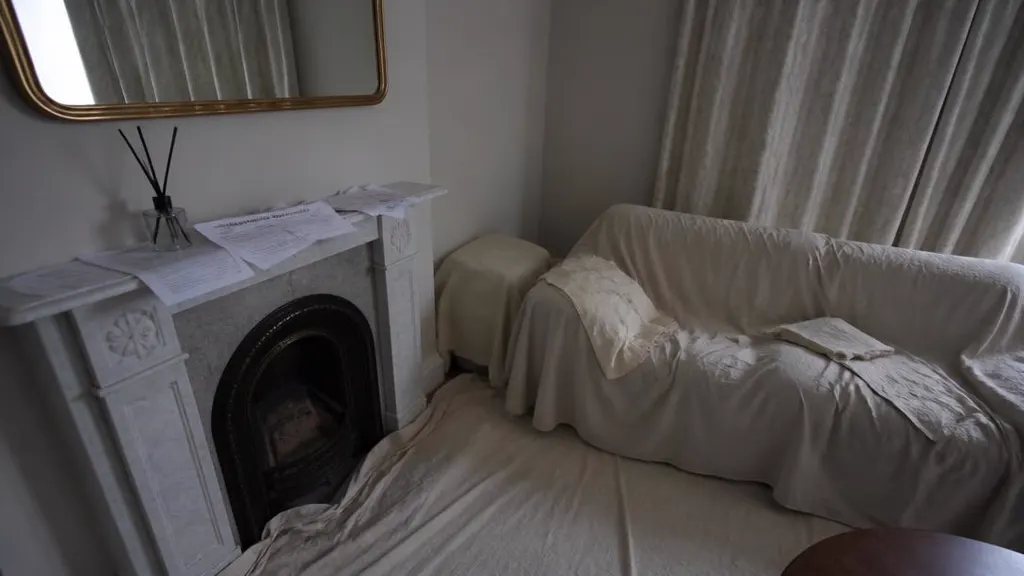 Probate house insuranceProbate house insurance explained: when standard cover lapses, unoccupied property policies, executor liability, and practical steps to take.
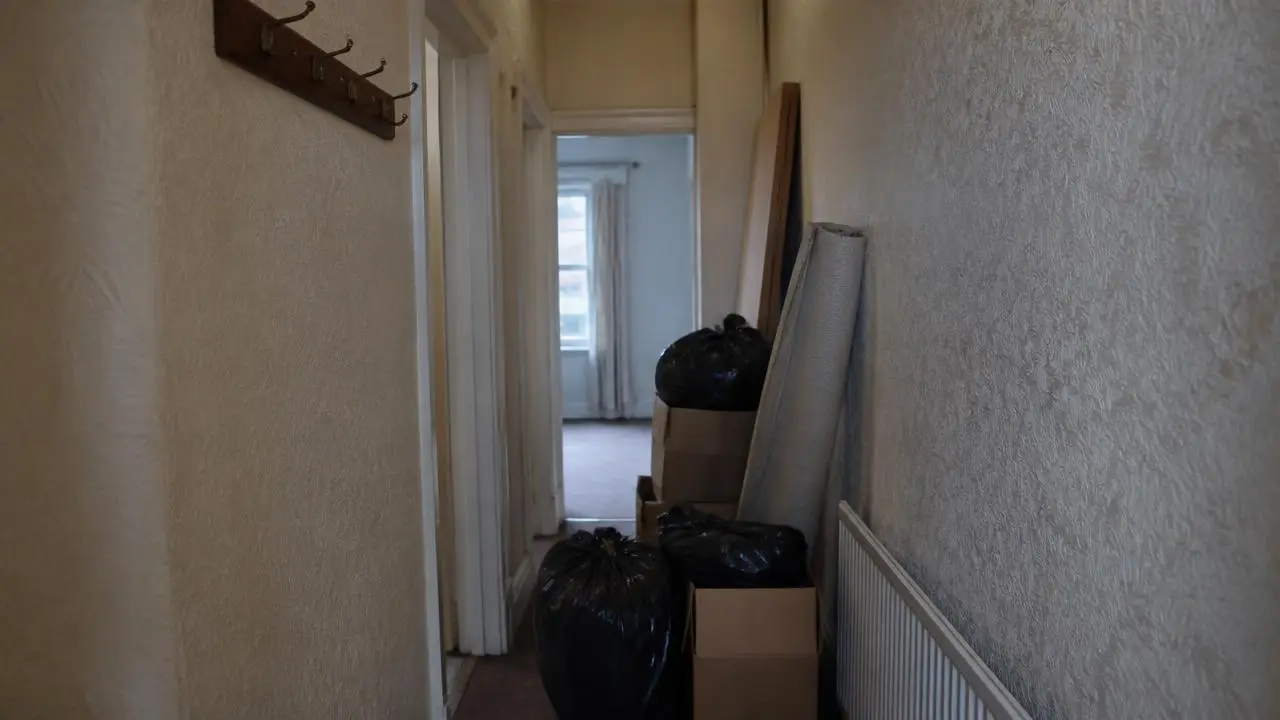 Probate house clearanceProbate house clearance explained: what probate property means, inventorying and valuing contents, timing against the grant, and selling as-is.
 How long after probate can you sell?No legal waiting period once grant is issued. Realistic conveyancing timeline and why executors watch the 6 and 12 month marks.
 Capital gains tax on inherited propertyYou are taxed on the gain between probate value and sale price, not on the inheritance. How the calculation works, what you can deduct, and the 60 day reporting deadline.
- Inheritance tax on propertyThe estate pays, and the deadline is six months after the month of death. How property is valued, how instalments work, and how to break the cash deadlock.