How many missed payments before repossession?
There's no fixed legal trigger, but most lenders can start court action once around three monthly payments have been missed, after following FCA rules that require them to try reasonable alternatives first. Reaching three missed payments doesn't mean repossession will happen automatically, since a court must still grant an order.
Got a date in the diary you need to beat?
Tell us the deadline. If we can hit it we'll say so, and if we can't we'll tell you that instead of stringing you along.
What do FCA rules require lenders to do?
Mortgage lenders in the UK must follow the FCA's Mortgages and Home Finance Conduct of Business sourcebook, known as MCOB. This requires them to treat borrowers in arrears fairly, make reasonable efforts to agree a repayment plan or other forbearance, and only start repossession proceedings as a last resort. Courts also expect to see evidence that a lender has followed these pre-action steps before granting a possession order.
Why is three missed payments the usual trigger?
There's no law that sets three months as a hard limit. It's become the common practical point because by then a lender has usually sent multiple arrears notices, offered a chance to discuss options, and can show a court it has tried to resolve things without success. Some lenders act sooner if a borrower isn't responding at all, and some wait longer if a workable arrangement is in place.
What sequence of letters can you expect?
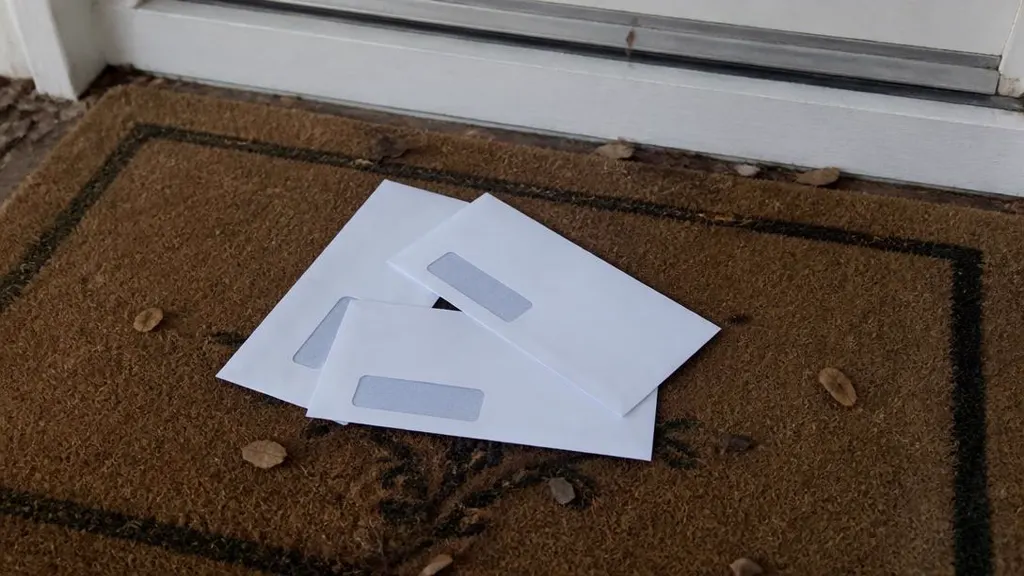
- Missed payment 1. A reminder letter or call, often within days.
- Missed payment 2. A formal arrears notice, setting out the amount owed and inviting contact.
- Missed payment 3. A further arrears letter, often referencing possible next steps if no arrangement is made.
- Notice of default. A more formal notice, sometimes required before certain legal action can begin.
- Letter before action. Confirms court proceedings will start within a set period unless the account is resolved.
Stage-by-stage timeline
| Stage | Typical timing | What happens |
|---|---|---|
| Missed payment 1 | Month 1 | Contact from lender, arrears recorded |
| Formal arrears letters | Months 1 to 3 | Lender explores forbearance options under FCA rules |
| Court action begins | Around month 3 onwards | Lender issues a possession claim if no agreement reached |
| Hearing | Weeks to a few months after claim issued | Court decides to dismiss, adjourn, or grant an order |
| Warrant and eviction | Weeks to months after an outright order | Bailiffs set an eviction date if the order isn't complied with |
These are typical ranges, not guarantees. Court backlogs, the type of order granted, and how you engage with the lender can all shorten or extend the process significantly.
What should you do once you've missed a payment?
Contact your lender before they contact you, if possible, and be honest about your situation. The earlier you engage, the more options are usually available, including payment plans, term changes, or time to arrange a sale. Free advice from StepChange, Citizens Advice, National Debtline, or MoneyHelper can help you understand your specific position.
Read next
Common questions
- How many missed mortgage payments before repossession?
- There's no fixed legal number, but most lenders can begin court action after around three missed monthly payments, once they've followed FCA pre-action requirements to explore alternatives with you first. Reaching this point doesn't mean repossession is certain, since a court still has to grant an order.
- What are the FCA pre-action requirements?
- Rules under MCOB, the FCA's mortgage conduct sourcebook, that require lenders to treat borrowers in arrears fairly, offer reasonable forbearance such as a payment plan, and only pursue repossession as a last resort once other options have been considered.
- Do lenders send warning letters before court action?
- Yes, typically a series of them: an early arrears notice, formal arrears letters at set intervals, a notice of default, and finally a letter before action confirming court proceedings will start if the account isn't brought up to date or an arrangement agreed.
- Can a lender start court action after one missed payment?
- It's unusual and would need to follow the same fairness rules, so in practice lenders almost always wait until arrears have built up over several months and other options have been discussed with the borrower first.
Sources
Got a date in the diary you need to beat?
Tell us the deadline. If we can hit it we'll say so, and if we can't we'll tell you that instead of stringing you along.
Related guides
 Mortgage arrears hubFacing mortgage arrears or repossession? See the stages, what selling early protects, what happens to the debt, and the alternatives to selling.
 How to stop repossessionThe realistic options to stop repossession, in order: lender contact, payment plans, benefits, defending the hearing, or selling before or after an order.
 How long does repossession take?How long repossession takes in England and Wales: court hearing, possession order, warrant, and bailiff stages, with realistic timescales.
 Can I sell with mortgage arrears?Yes, you can sell while you still own the property. How redemption statements, negative equity, and consent to sell work in practice.